字體:小 中 大
 |
|
|
|
| 2025/08/08 13:24:21瀏覽1010|回應3|推薦34 | |
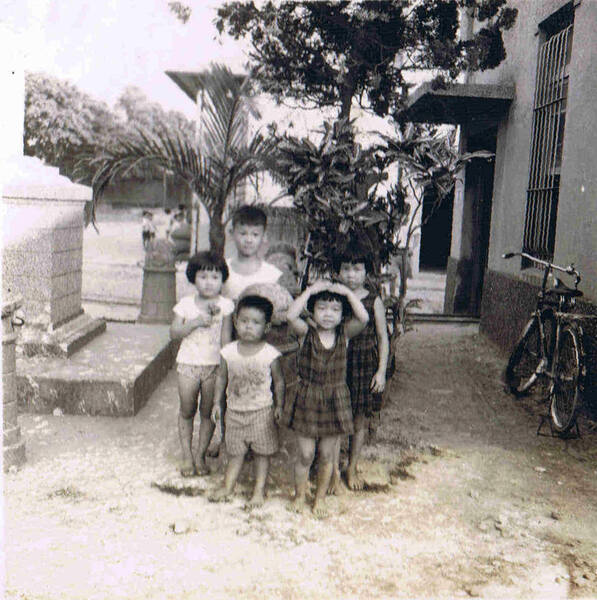
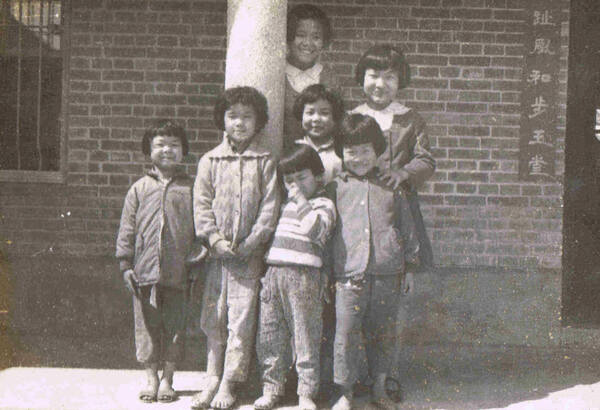
我小時候最喜歡的遊戲,不是手機、平板、電腦遊戲, (當然,也是因爲那時候,這些科技還沒出現)而是跟鄰居的孩子們在房子外面和巷子間跑來跑去。那些我們最常玩的遊戲,現在想起來一點也不花錢、不需要道具,卻能讓我們玩上一整天也不覺得膩。
玩最多的是捉迷藏。規則和今天小孩玩的一樣。一開始大家猜拳選出誰當鬼,然後那個人就得站在牆邊,閉上眼睛數到二十或三十,其它人趁機四處躲藏。有人躲到牆角後面,有人鑽到大水缸邊,也有人爬到老房子二樓的樓梯下藏著。等鬼一喊完數開始找人時,大家就屏氣凝神,連呼吸聲都不敢太大。 每當有人被找到時,會先是一陣驚叫,然後是一陣大笑。這樣一來一回,我們玩得渾身是汗,卻總是捨不得停下來。 除了捉迷藏,我們還喜歡玩「123木頭人」。這個遊戲同樣是靠嘴巴喊、靠身體跑,完全不用道具。鬼站在牆前,背對大家,大聲喊:「一、二、三,木頭人!」然後迅速轉身看。其他人則趁鬼轉身喊數的時候快速往前衝,但當鬼回頭時,大家就得像木頭一樣立刻定住不動。 如果被看到有誰在動,那個人就得被淘汰從隊伍中出去。這遊戲緊張又刺激,大家都笑得前仰後合,有時還故意扮鬼臉逗對方動一下。能夠最先摸到牆的人就算贏了。 不能出門時,我們就改玩室內遊戲,其中我最喜歡的是數石頭。我們每個人準備一樣數目的小石頭,比方說五顆。輪到誰時,就把石頭放在手背上,然後用力一翻,讓石頭掉在地上。如果掉下來的數目剛好和另一個小朋友手掌裏的數量一樣,就可以把對方的石頭拿走。 這個遊戲沒有誰特別厲害,完全靠手感與運氣,但也讓我們玩得津津有味,甚至會用各種姿勢練習丟石頭的準確度。 還有一種遊戲,是我自己一個人也能玩的。那就是用鉛筆當木偶來演戲。我會拿幾枝鉛筆,在上面畫上眼睛、嘴巴,有時還會用紙片幫它們做衣服,用橡皮筋做帽子,再替它們取名字,排好角色。兩枝鉛筆互相說話、吵架、冒險,甚至還談戀愛、開戰爭,我一人分飾多角,玩得不亦樂乎。 那些遊戲雖然不華麗,但那些簡單的石頭、鉛筆和朋友們的笑聲,就是我童年最寶貴的財產。 捉迷藏的緊張刺激,「123木頭人」的靜止與爆笑,數石頭的專注與驚喜,還有鉛筆木偶戲的天馬行空。這些遊戲陪伴我長大,也成為我記憶中最溫柔的一角。
What games or toys did you enjoy most when you were young? When I was a child, we didn’t have tablets, phones, video games or endless channels on TV.Life was simple. Looking back, some of my happiest memories come from the games we played as children. My favorite games as a child could be divided into two kinds—outdoor games and indoor games. On sunny days, we couldn’t wait to rush outside to play in the yard, in narrow alleys, or open fields. We didn’t need toys or screens; all we needed was each other. The most popular game in our neighborhood was hide-and-seek. It’s such a simple game, but oh, how we loved it ! I remember seeing Jordan, Jake and Forest play hide and seek , but they normally play indoors while we played outdoors most of the time . The rule is the same as how they play today . One child would be chosen to be “it.” They’d close their eyes and count to twenty or thirty while the rest of us scattered and found the best hiding spots we could. Some of us would hide behind trees or crouch behind large water jars. Others climbed up into a tree or squeezed into narrow spaces behind old doors. The suspense of waiting in silence, trying not to breathe too loudly, and the excitement of being found—or not—was thrilling. If we got caught, we’d scream and laugh and run, even though that meant we lost. And still, we played round after round, never wanting to stop, even after the sky turned dark. I remember nobody wanted to leave even though parents were shouting us to go home for dinner. Another outdoor favorite was a game called “1-2-3 Wooden Man,” something like Red Light, Green Light. One child stood facing a wall with their back to the rest, shouting, “One, two, three, wooden man!” and then quickly turning around. The rest of us had to freeze in place—like wooden statues—when they turned to look. If you were caught moving, you had to be out . The goal was to sneak close enough to touch the wall without getting caught. We’d giggle and tease, sometimes making silly faces to distract others and cause them to move. It was a game of patience, timing, and a bit of mischief, and we loved every second of it. But not every day was sunny. On rainy afternoons, we moved indoors, and our favorite indoor game was called “counting stones.” It was quiet, calm, but surprisingly exciting. Each of us would gather the same number of small pebbles—usually five. When it was your turn, you’d place all your stones on the back of your hand, flip your hand over, and let the stones fall to the floor. If the number of fallen stones matched the number another child had in their hand, you got to take theirs. It was a game of chance, and every little fall of the stones brought a thrill of anticipation. We played this for hours, competing to see who could end up with the most stones. And then there was one more game I loved—a game I often played alone but never felt lonely doing. I would take two or three pencils and turn them into puppets. I’d draw faces on them with pens, wrap bits of paper around them for clothes, and sometimes use rubber bands to make tiny hats. Then, I’d give them names, voices, and personalities. One pencil might be a brave hero; another might be a villain or a silly sidekick. I would make up stories—adventures, battles, even love stories—and act them out with my little pencil characters. It was like a tiny theater in my hands, where I was the writer, director, and performer all at once. Looking back, I suppose that was my first experience of storytelling. These childhood games taught me more than I realized at the time. We learned to take turns, to follow rules, to be fair, and to be creative. We used what we had around us—stones, pencils, empty spaces, we didn’t need fancy toys or screens to have fun. Our imagination did all the work. My childhood didn’t have gadgets or video games, but it had the laughter of hide-and-seek, the frozen fun of “1-2-3 Wooden Man,” the quiet excitement of counting stones, and the magic of pencil puppet shows. Even now, when I think back, I can still hear the echoes of laughter, the shouts of “Found you!”, the stillness as we froze like statues, and the soft clatter of stones hitting the floor. Those sounds are etched into my memory like music from a time long gone, but never forgotten. |
|
| ( 創作|散文 ) |