字體:小 中 大
 |
|
|
|
| 2026/01/10 13:32:58瀏覽761|回應4|推薦20 | |
在中國人的親戚關係中,父系與母系有著清楚的區分。爸爸那一邊的 cousins 稱為「堂」,有堂哥、堂弟、堂姐、堂妹;媽媽那一邊的 cousins 則稱為「表」,包括表哥、表弟、表姐與表妹。這樣的稱呼,不只是語言的差異,也反映了家族結構與血緣脈絡的層次。
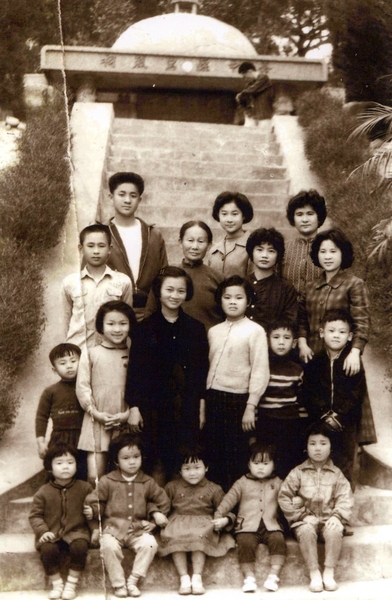
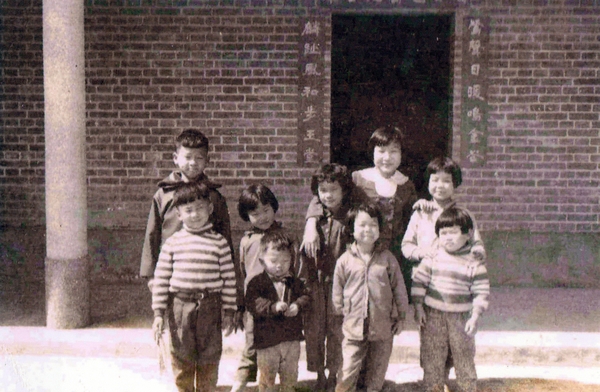
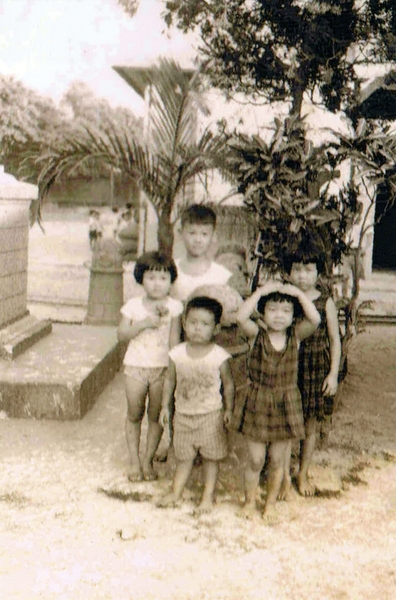
我一共有 24 位堂兄弟姊妹。爸爸是家中的長子,下面有四個弟弟與三個妹妹。爸爸自己育有四女二男;二叔有二女三男;三叔有一男三女;四叔有兩男;五叔有一男一女;大姑有一男三女;二姑有三男;三姑則有一男三女。這樣龐大的家族人數,如今回頭看來,已經是一個逐漸消失的年代印記。 然而,我與多數堂兄弟姊妹其實並不算熟悉。小學五年級時,我們全家搬到台北,而他們大多仍住在台灣中部,距離與時間慢慢拉開了彼此的生活。 我最清楚、也最溫暖的記憶,來自二叔家的孩子們。在台灣中部的那段時間,我們兩家住在隔壁。雖然各自有獨立的廚房,但因為早期兩兄弟一起做生意,大客廳與大辦公室是共用的。那是一個門常開著、孩子們自由進出的年代。 二叔的大女兒與我哥哥同年,小女兒則與我同歲。我們在同樣的學校上課,交著相同的朋友,放學後也自然地玩在一起。記憶最深刻的,是我們把家裡的書拿出來「出租」給附近的小朋友——她有她的書,我有我的書,我們各自努力拉客,認真得像小小生意人。 哥哥與堂姐則一起出租腳踏車,而我們兩個年紀小的,被派去各自招攬客人。那些現在看來有點天真的競爭與合作,是我 十一歲以前在台灣中部最鮮明的童年片段。後來搬到台北,聯繫逐漸變少,這段親近的時光,也靜靜地留在記憶裡。
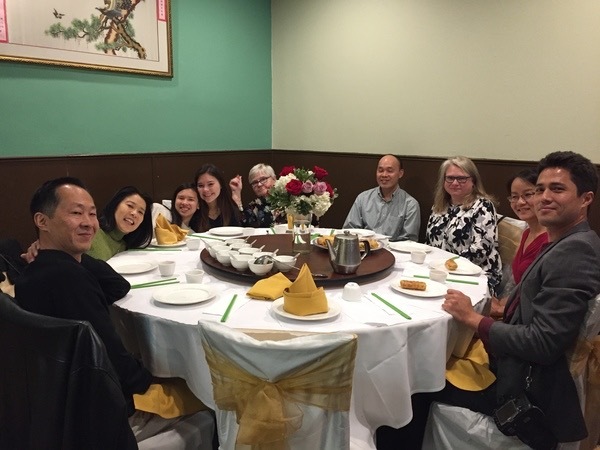
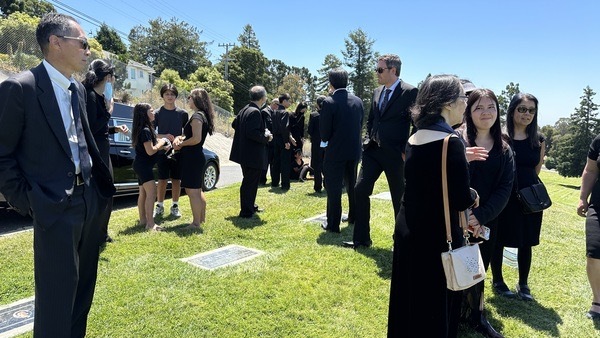
媽媽這一邊的家族,故事則更加複雜,也更加遼闊。我的外祖父在 五十多歲時便過世。他一生娶了 三位太太。第一位太太生下一名兒子後難產去世,那位兒子後來失明,我們稱他為 大舅,他育有 二女三男。第二位太太,我們叫她「台北阿嬤」,因為她後來搬去台北,她生了 四個兒子與四個女兒。第三位太太,我們稱為「房裡祖母」,因為她住在中部的房裡小鎮,她生了 三女二男。 這些舅舅、阿姨所生的孩子,都是我的表兄弟姊妹。媽媽這一邊的下一代普遍非常優秀,有許多人進入頂尖大學,在各自的領域發光。 除了外祖父的孩子,外祖父還有一位唯一的弟弟,我們稱他為 叔公。叔公同樣娶了 兩位太太:大太太生了二女一男,二太太則生了 一女二男。外祖父與叔公兩家,自新婚起便住在隔壁,情感親密得如同一家人。因此,我媽媽與他們的孩子之間,感情就像親兄弟姊妹一般。 後來,這一支家族多數移民美國,反而讓我與他們有了更多互動,甚至比與親舅舅、阿姨的孩子還要親近。 我至今仍記得,剛來美國念研究所時,一位阿姨的先生寄卡片給我,信中夾著一張剪報。那是他的兒子、也就是我的表哥 Alfred,以 第一名從加州大學柏克萊分校畢業 的新聞。後來,他進入 舊金山大學醫學院,如今在舊金山大學任教,成為 骨科領域的權威。 前不久嬸婆過世,許多親戚齊聚一堂,才知道我們這一代的表兄弟姊妹中,已有好幾位成為醫師;而他們的下一代,更有 數十人畢業於名校。 如今的年輕人,多半只生一兩個孩子,甚至選擇不生。像我們這樣擁有如此龐大家族、這麼多 cousins 的情形,或許正逐漸成為歷史。回頭看來,能夠擁有這麼多有血緣連結的親人,其實是一件非常珍貴、也值得珍惜的事。 --------- Do you have favorite stories about your cousins? In Chinese family traditions, relatives are carefully distinguished by lineage. Cousins on my father’s side are called tang cousins, while those on my mother’s side are called biao cousins. These names reflect more than language—they reveal how deeply family structure and ancestry are woven into everyday life. On my father’s side alone, I have twenty-three cousins. My father is the eldest of eight siblings, followed by four younger brothers and three sisters. My parents had six children—four daughters and two sons. My oldest uncle had two daughters and three sons; my second uncle had one son and three daughters; my third uncle had two sons; my forth uncle had one son and one daughter. My eldest aunt had one son and three daughters; my second aunt had three sons; and my third aunt had one son and three daughters. Looking back, this large family feels like a living record of a generation when big families were still common. Despite the size of this family, I was not especially close to most of my paternal cousins. When I was in fifth grade, my family moved to Taipei, while most of them remained in central Taiwan. Distance and time gradually loosened our connections. My clearest childhood memories, however, are with my oldest uncle’s children. When we lived in central Taiwan, our two families were neighbors. Although each household had its own kitchen, my father and uncle ran a business together, so the large living room and office were shared spaces. The doors were always open, and children wandered freely between homes. My cousin, my uncle’s eldest daughter, was the same age as my brother, and his youngest daughter was my age. We attended the same school, shared the same friends, and spent most afternoons together. One of my favorite memories is how we turned our books into a small business, renting them out to neighborhood children. She had her collection, I had mine, and we competed eagerly for customers like tiny entrepreneurs. Meanwhile, my brother and another cousin rented out bicycles, assigning the two of us younger children to recruit customers for them. Those innocent rivalries and collaborations formed the heart of my childhood in central Taiwan. These memories belong to the years before I turned twelve. After we moved to Taipei, contact gradually faded, and that closeness quietly became part of the past. On my mother’s side, family history is more complex and far-reaching. My maternal grandfather passed away in his early fifties. He had three wives. His first wife died during childbirth after giving birth to a son who later became blind. We called him our eldest uncle, and he had two daughters and three sons. The second wife, whom we called “the Taipei grandmother” because she later moved to Taipei, had four sons and four daughters. The third wife, known as the “Fangliao grandmother” after the small town where she lived in central Taiwan, had three daughters and two sons. All of their children’s offspring are my maternal cousins. On my mother’s side, many of these cousins were academically outstanding, with numerous graduates from top universities. In addition, my grandfather had one younger brother. He also had two wives. His first wife had two daughters and one son, and his second wife had one daughter and two sons. From the time they married, my grandfather and his brother’s family lived next door to each other, and their families grew up as one. As a result, my mother was as close to her cousins as to her own siblings. Later, many members of this extended family immigrated to the United States. Because of this, I actually grew up closer to these cousins than to the children of my own aunts and uncles. When I first came to the United States for graduate school, one of my aunts’ husbands sent me a Christmas’s card with a newspaper clipping enclosed. It reported that his son—my cousin Alfred—had graduated first in his class from the University of California, Berkeley. He later attended the University of San Francisco School of Medicine and now teaches there as a leading orthopedic specialist. Not long ago, when my grandaunt passed away, many relatives gathered together in the funeral . It was then I realized that several of my cousins had become doctors, and that among the next generation, dozens had graduated from prestigious universities. Today, many young people choose to have only one or a few children , or none at all. Large families like mine, with so many cousins bound by blood, may soon become rare. Looking back, I realize how precious it is to belong to such an expansive family network—a living history of connection, memory, and shared roots. |
|
| ( 創作|散文 ) |