字體:小 中 大
 |
|
|
|
| 2010/10/26 20:14:42瀏覽999|回應0|推薦2 | |
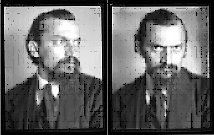
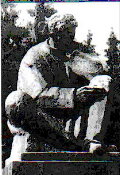
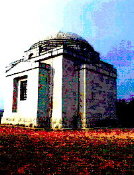
克羅埃西亞在藝術上的創作,首推雕塑,也許是來自石頭的靈感。最早的時候,羅馬人在Pula、Split以當地的石灰岩建造皇宮、競技場、神殿、凱旋門,為後來亞德里亞海雕塑家立下傳統。在仿羅馬時期,以Radovan於1240年為Trogir聖羅浮教堂Sv. Lovre所打造的大門最具代表性。 文藝復興時期,被列為世界遺產的Sibenik聖雅各大教堂,則造就了Juraj Dalmatinac、Nikola Firentinac兩位雕塑大師。 此外,科楚拉島的地方石匠,在克羅埃西亞也受到推崇。 到了20世紀,雕刻義則由伊凡˙梅翊托維契Ivan Mastrovic集其大成,不論走到克羅埃西亞的任何角落,都能欣賞到他的作品。 相較之下,克羅埃西亞的繪畫藝術就不如雕塑突出,除了16世紀末威尼斯畫派在海岸地區激起些許波瀾之外,唯一從克羅埃西亞發展出來的繪畫藝術,就是20世紀以天真藝術繪畫為主的Hlebine畫派,目前這些畫作都收藏在首都Zagreb的天真繪畫美術館裡。 Others:  During the first months of 1911, Mestrovic and his wife were living in Belgrade, capital of the Kingdom of Serbia. They later moved to Rome which was at time the international meeting point of artists and intellectuals. During the first months of 1911, Mestrovic and his wife were living in Belgrade, capital of the Kingdom of Serbia. They later moved to Rome which was at time the international meeting point of artists and intellectuals. Mestrovic's exhibits stimulated concepts of Slavic music, lectures on southern Slavic history, literature and architecture better than anybody else in history. Mestrovic did more to revive the spirit of the Kosovo Battle and Kosovo heroes in his modeling and carving than Goethe did when he translated the Ballad "Hosanaginica" into German. The Kosovo Battle in 1389 is a symbolic historical event testifying to the heroic Serbian fighters against Turkish invaders. The climax of Mestrovic exhibits took place at the Petit Palais in Paris in 1919 at the time of the Versailles Peace Conference which broke up the Austro-Hungary Empire and formed Yugoslavia. The spectacular turning point in Mestrovic's career was the international exhibit in Rome in 1911. He won the first place award for sculpture; critics called him the "greatest sculptor since the Renaissance". The heroes that fought the Turks in the famous Kosovo battle in 1389 came to life again in bronze and stone. He presented them to the European public as symbols of the patriotic aspiration and striving of the southern Slavs towards freedom and independence -- this time from the Austro- Hungarian Monarchy . On the eve of World War I, Mestrovic was fighting with his chisel for the future destiny of his people. His voice was heard all over the world thanks to his artistic success. During WWI (1914-1918) he was a leader in the movement to create the nation of Yugoslavia. Two Croatian political leaders, Ante Trumbic and Frano Supilo, with Mestrovic to support them with his reputation conceived a Yugoslavian Committee of National Liberation to fight for a Yugoslavian union. The National-Socialist regime in Germany had noticed the monumental and powerful form of Mestrovic's art. Mestrovic was invited to exhibit in Berlin in the middle 1930s. Hitler himself intended to open the exhibit if Mestrovic would be there for the occasion. Mestrovic declined. As the war progressed Mestrovic refused to collaborate with the puppet government of Croatia and he was imprisoned into ill-famed Savska Cesta prison in Croatia, near Zargeb. After months of negotiations by friends through the Vatican, Mestrovic was released and left for Venice, where his works were exhibited at the Bienale. Ruza Mestrovic (his wife) died in 1942 in Zagreb and 30 members of her family were killed in the Holocaust. Marshal Tito's government urged Mestrovic to return to the new Yugoslavia after WWII. Tito himself came to offer the artist personal freedom and material wealth. Mestrovic refused. He came to he United States in 1946 and taught at Syracuse and Notre Dame universities. In the spring of 1946 he was invited by the Academy of Arts and Letters and Mestrovic mounted a memorable show at the Metropolitan Museum in New York City. In 1954, he became a citizen of the Untied States of America at a ceremony conducted by President Eisenhower at the White House. He died in 1962. Mestrovic's remains were brought from the United States to Croatia and are presently in Mausoleum "Ivan Mestrovic", in Otavice, Drnis, Croatia. Mausoleum "Ivan Mestrovic", in Otavice, Drnis, Croatia. Mestrovic is the great figure in the history of the people of the Balkans. He designed the Grand "Monument of the Unknown Soldier" at the Mount of Avala, near Belgrade, Yugoslavia, and the Mausoleum of the greatest poet of South Slavs, Peter Petrovic-Njegos in the Montenegrin Mountain of Lovcen, near the capital of Montenegro, Cetinje. Both monuments are unsurpassed by their beauty and inspiration. He also designed "The Monument of Gratitude to France" in Kalimegdan Park, Belgrade. "The Well of Life" in Zagreb was also one of his masterpieces.
|
|
| ( 休閒生活|旅人手札 ) |