字體:小 中 大
 |
|
|
|
| 2025/08/28 14:56:19瀏覽660|回應1|推薦30 | |
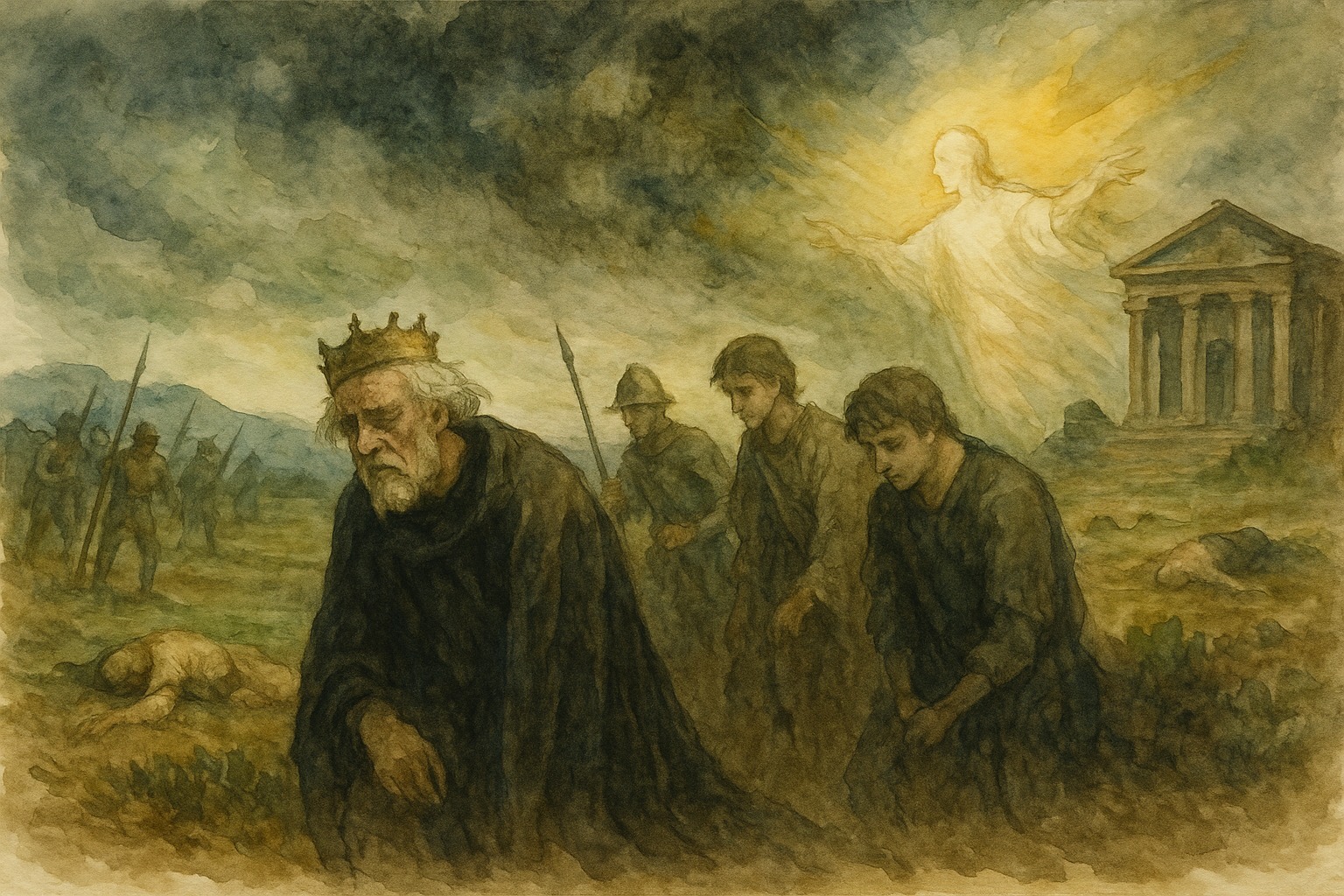
England in 1819 1819英格蘭 by Percy Bysshe Shelley 雪萊 An old, mad, blind, despised, and dying King; 昏聵老瘋癲,受諷君王垂, Princes, the dregs of their dull race, who flow 王子傳世代,殘渣血脈微, Through public scorn,—mud from a muddy spring; 大眾笑血脈,春泥髒污水, Rulers who neither see nor feel nor know, 麻木不知仁,統治之所為, But leechlike to their fainting country cling 不過寄生蟲,昏沈社稷隨, Till they drop, blind in blood, without a blow. 吸血不知終,殫盡而將頹。 A people starved and stabbed in th untilled field; 餓殍殺子民,耕地任荒廢, An army, whom liberticide and prey 渴飲自由血,掠奪領軍隊, Makes as a two-edged sword to all who wield; 鑄如雙面刃,反噬刀劍揮, Golden and sanguine laws which tempt and slay; 律法以聖光,誘民並摧毀, Religion Christless, Godless—a book sealed; 無神無基督,教義塵封內, A senate, Time’s worst statute, unrepealed— 時代最惡劣,運轉仍國會, Are graves from which a glorious Phantom may 諸此葬墳塚,從中有魂飛, Burst, to illumine our tempestuous day. 板蕩舉世危,照耀使光輝。 雪萊的〈England in 1819〉在結構上極不尋常,也是這首詩翻譯最困難之處。原詩前十二行都沒有主動詞,全詩只是不斷累積主詞與修飾語:瘋狂垂死的國王、皇室血脈被喻為殘渣的王子、毫無感知的統治階級、被壓迫利用的軍隊、偽善的宗教、殺人的法律、無能的國會……這些主詞排比而來、層層堆疊,讓語氣像火山蓄勢般壓抑。 直到第十三行,主動詞才終於出現,卻只是極為平淡的 are(be 動詞):這一切「是墳墓」,從中或許會爆發出光榮的魂影。整首詩的語法結構就是這樣:一連串腐敗的象徵,最後由一個簡單的 BE 動詞統攝並轉折,詩意也從黑暗的揭露轉向革命的召喚。 要將這種懸宕的語法延遲、張力飽滿的語勢,翻譯成中文,尤其使用五言詩體,是極大的挑戰。我在必要處補足動詞,並將英文原詩的長句轉化為成對並列的詩行,力求押韻,五言成雙對應抑揚格五音步。最後兩句用「墳塚」與「魂飛」來統攝全詩,那股從崩壞中迸發的光芒希望,也能展現在譯詩中。 |
|
| ( 不分類|不分類 ) |