|

|
文章數:32 |
 week1 orientation week1 orientation |
| 知識學習|隨堂筆記 2014/02/20 21:36:43 |
l Orientation ori- beginning stage 1. orientation 2. origin 3. orient
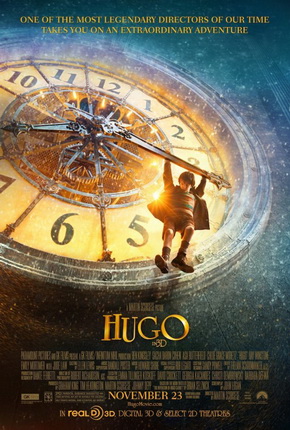
l Young-adult literature 1. Theme Life/death, dream/adventures, love/lost, identity 2. Always ask yourself these 4 basic questions while you’re reading or in class: (a)Who am I? Hugo(film)
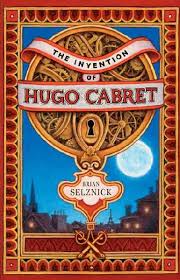
The Invention of Hugo Cabret: A Novel in Words and Pictures
He talks about how he uses to imagine that the world is a machine, and that everyone in it is a part. He explains, “Clocks never come with extra parts.” “Every part serves a purpose.” 一枝草一點露。 (b)What is my place in the universe? (c)What would I do if I were the protagonist/antagonist in the story? (d)Do I like the story? Why or why not? Which episode or character interests me the most and why? 3. The Assembly on Literature for Adolescents (a) Problem novel (b) Initiation and Quest (Journey) (c) Bildungsroman(溫馨勵志/成長療癒小說) (d) Fantasy/Adventure (genre) 幻想/冒險 (e) Detective fiction (懸疑/推理小說) 4. didactic: designed or intended to teach people something 常出現於中國文學
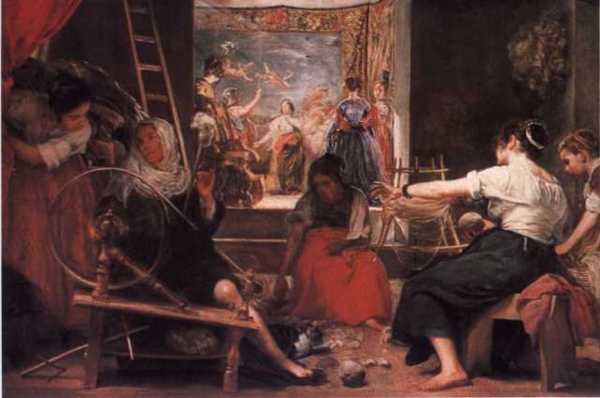
l Young-adult fiction Young-adult fiction or young adult literature (often abbreviated as YA), also juvenile fiction, is fiction written, published, or marketed to adolescents and young adults, although recent studies show that 55% of young-adult fiction is purchased by readers over 18 years of age. The Young Adult Library Services Association (YALSA) of the American Library Association (ALA) defines a young adult as someone between the ages of twelve and eighteen. Authors and readers of young adult (YA) novels often define the genre as literature as traditionally written for ages ranging from sixteen years up to the age of twenty-five, while Teen Fiction is written for the ages of ten and to fifteen. The terms young-adult novel, juvenile novel, young-adult book, etc. refer to the works in the YA category. YA literature shares the following fundamental elements of the fiction genre: character, plot, setting, theme, and style. However, theme and style are often subordinated to the more tangible elements of plot, setting, and character, which appeal more readily to younger readers. The vast majority of YA stories portray an adolescent, rather than an adult or child, as the protagonist. The subject matter and story lines of YA literature are typically consistent with the age and experience of the main character, but, beyond that, YA stories span the spectrum of fiction genres. Themes in YA stories often focus on the challenges of youth, sometimes referred to as problem novels or coming-of-age novels. Writing styles of YA stories range widely, from the richness of literary style to the clarity and speed of the unobtrusive and free verse. 1. juv- young juvenile 多用在法庭 2. adolescent Adolescence (from Latin adolescere, meaning "to grow up")is a transitional stage of physical and psychological human development that generally occurs during the period from puberty to legal adulthood (age of majority). 3. pro- in favor protagonist 主角↹ antagonist 反角 4. spinner 紡紗女 沒讀書用來養活自己,後來 old spinner衍生為老處女。
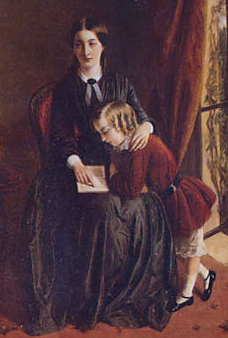
governess 家庭教師 有讀一點書但位階比不上管家。
A governess is a girl or woman employed to teach and train children in a private household. In contrast to a nanny (formerly called a nurse) or a babysitter, she concentrates on teaching children instead of meeting their physical needs. Her charges are of school age rather than babies. 5. Coming of age Coming of age is a young person's transition from childhood to adulthood. The age at which this transition takes place varies in society, as does the nature of the transition. It can be a simple legal convention or can be part of a ritual, as practiced by many societies. In the past, and in some societies today, such a change is associated with the age of sexual maturity (early adolescence); in others, it is associated with an age of religious responsibility. Particularly in western societies, modern legal conventions which stipulate points in late adolescence or early adulthood (most commonly 16-21 when adolescents are generally no longer considered minors and are granted the full rights of an adult) are the focus of the transition. In either case, many cultures retain ceremonies to confirm the coming of age, and significant benefits come with the change. (See also rite of passage.) Coming of age is often a topic of fiction. In literature, a novel which deals with coming of age is called a bildungsroman. Similar stories told in film are called coming-of-age films. l 小叮嚀 下周要帶小說,分3周看完 |
| 最新創作 |
|
||||
|
||||
|
||||
|
||||
|
||||
| 最新影像 | 2 本 4 張 |
|
|
|
|||||||||