作家
作家

 
 字體:小 中 大
 |
|
|
|
| 2026/10/09 01:26:07瀏覽56|回應0|推薦1 | |
.. https://youtu.be/yJ3geMQoC_Q?si=C4TJ9yLHMgCC4Vtk
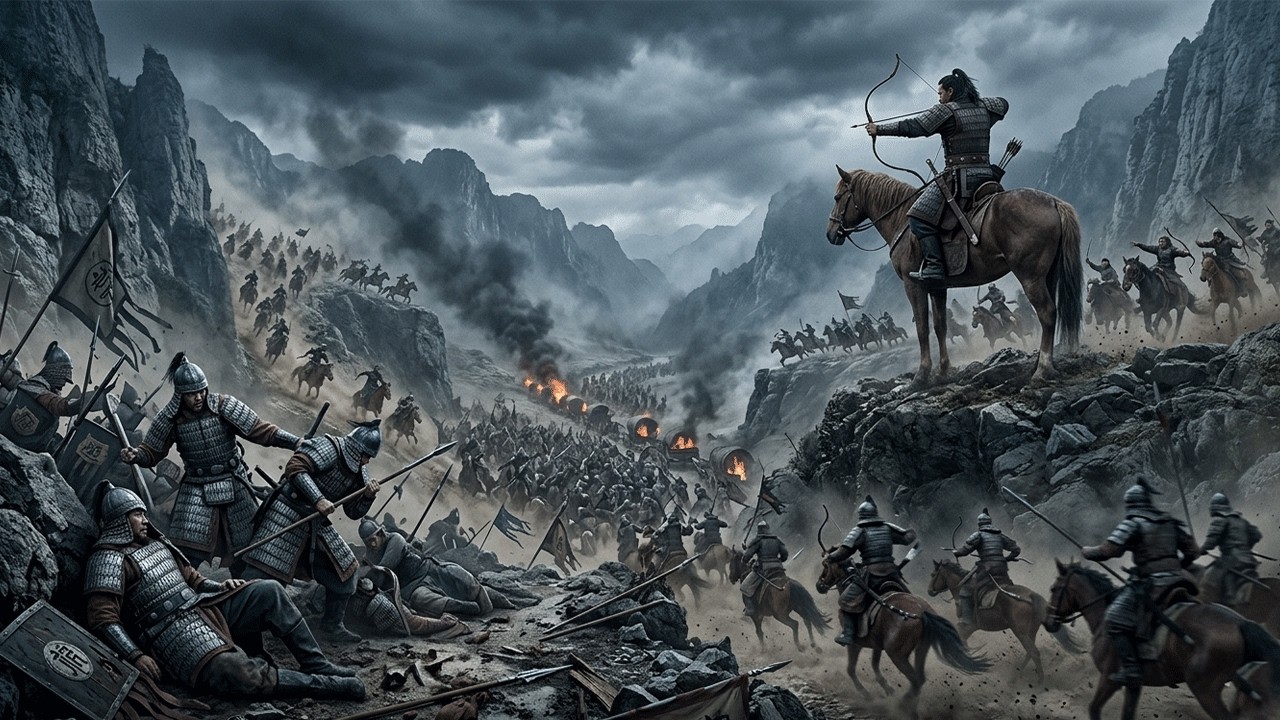
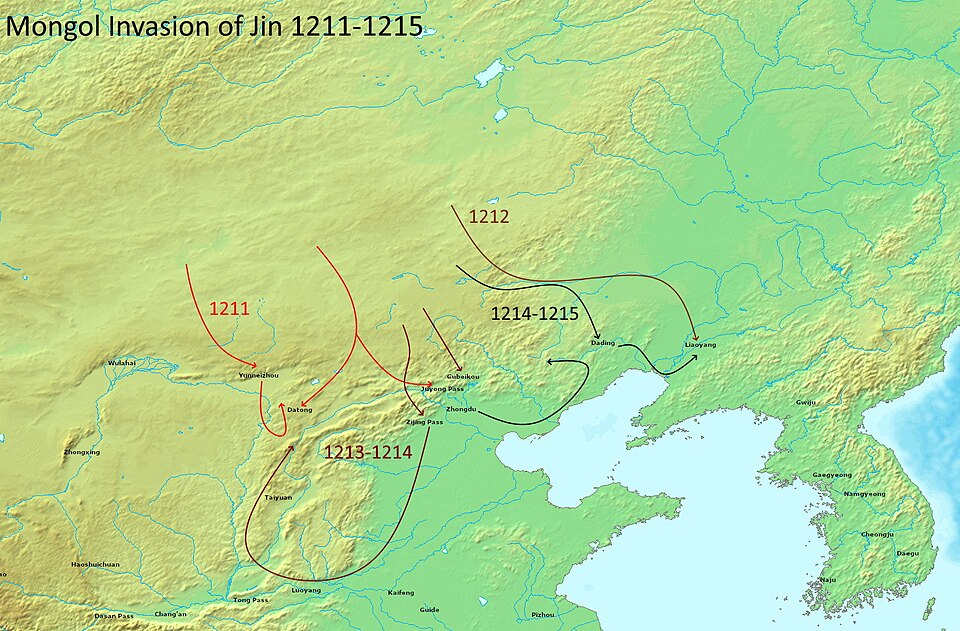
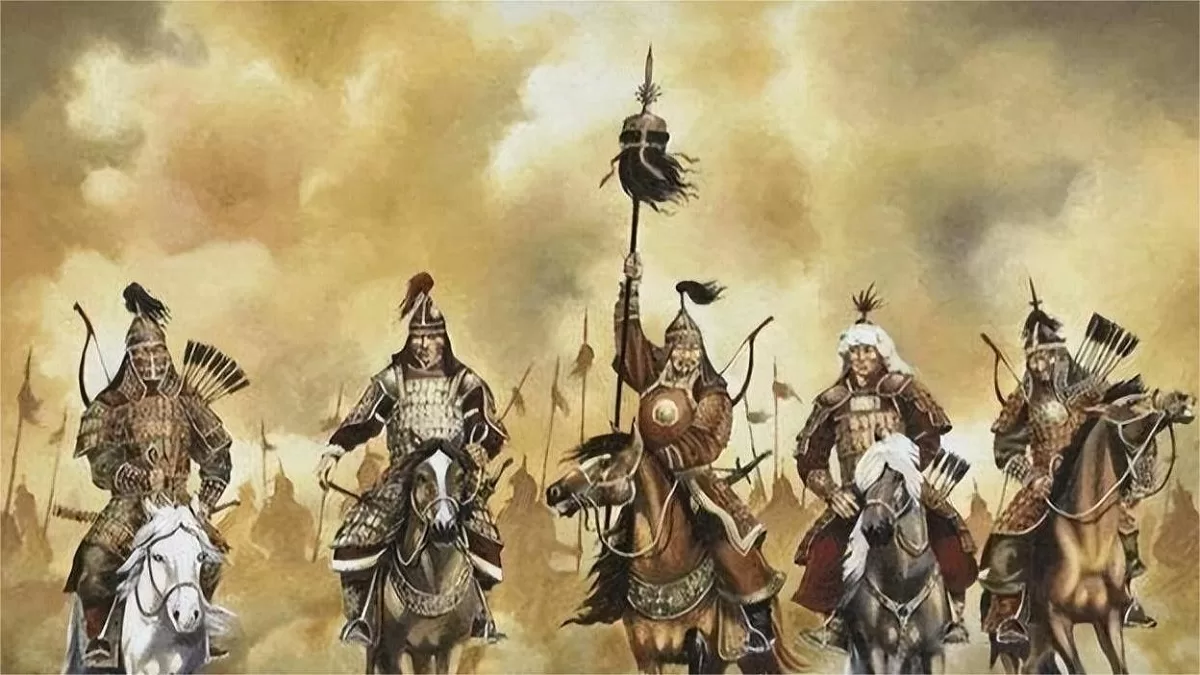
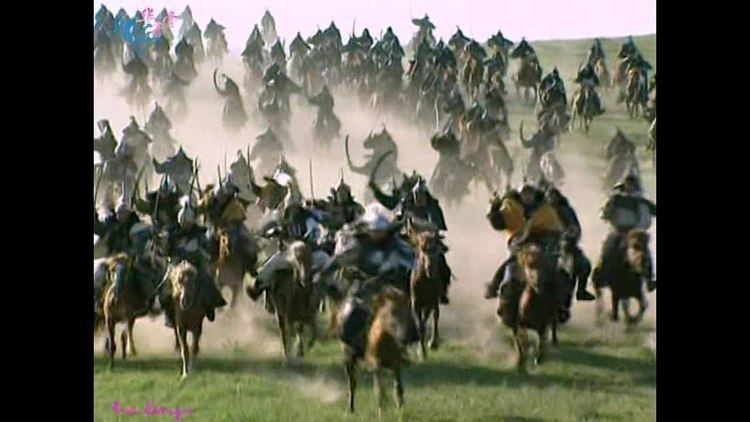
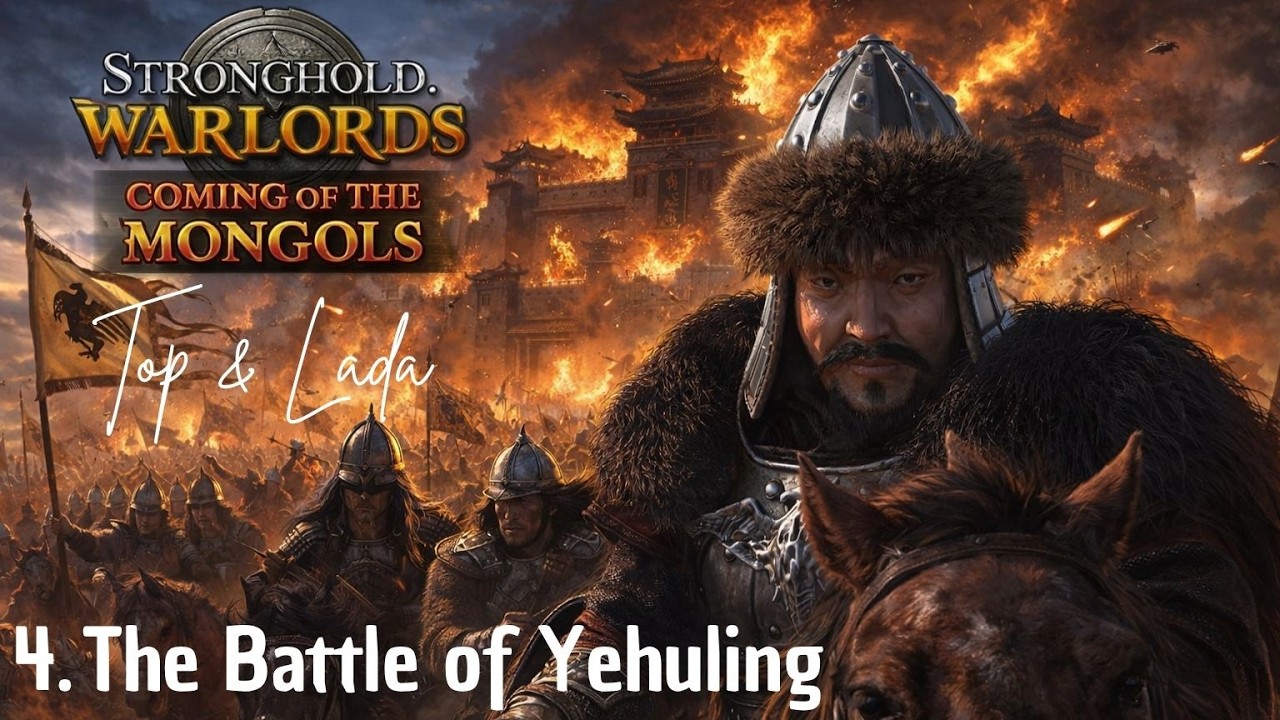
.Battle of Yehuling and Huanerzui Wanyan Chengyu (完顏承裕), who succeeded Duji Sizhong as chancellor, was put in charge of the Jin army. He ordered his men to abandon the three cities of Hengzhou (恆州; in present-day Zhenglan Banner, Inner Mongolia, Changzhou (昌州; north of present-day Jiuliancheng Town, Guyuan County, Hebei), Fuzhou (撫州; present-day Zhangbei County, Hebei), and move towards Yehuling. His aim was to make use of the mountainous terrain in Yehuling to obstruct the Mongol cavalry. Mountainous terrain was a challenge for the Mongolian cavalry. However it was also a difficult area to fight in for the bigger Jin forces. The vast Jin forces were scattered among the mountains and the valley choke points. The difficult terrain and far distances made communication and coordination of troops difficult. This would prove fatal for the Jin forces, when the Mongols executed a focused and concentrated attack. The Jin imperial court sent Shimo Mingan (石抹明安), an official of Khitan descent, to meet Genghis Khan and start peace negotiations. However, Genghis Khan managed to induce Shimo Mingan to surrender and defect to his side. Shimo Mingan even provided the Mongols with military intelligence about the Jin army. Genghis Khan sent his general Muqali to lead the Balu Unit (八魯營) to launch a surprise cavalry charge on the enemy via a passage at Huanerzui (獾兒嘴; lit. "Badger Mouth"). Before the battle, Muqali promised Genghis Khan, "I will not return alive if I do not defeat the Jin army!" The Mongol armys morale surged. Because of the mountainous terrain, the Mongols were unable to deploy their superior cavalry to its full advantage, hence they dismounted and fought on foot. High on morale, the Mongols defeated the central Jin forces and fought their way towards Wanyan Chengyus main camp. Due to poor communications, the Jin forces on the sides were not able to reinforce the central Jin positions. Eventually, the Jin army became disorganized, lost its morale, and started to break. The Jin armys field commander, Wanyan Jiujin (完顏九斤), was killed in action. With the collapse of the central Jin forces, the other Jin forces nearby soon routed and a massacre followed. The entire Jin army was destroyed, leaving dead corpses for over a hundred miles. This battle took place in August 1211. .野狐嶺戰役是蒙金戰爭初期起關鍵作用,決定「蒙起金衰」的戰役。它發生於陸游死後的第二年也就是1211年八月(金國衛紹王大安三年,成吉思汗在位第六年),地點在野狐嶺(今河北省萬全縣)。在這場大型戰役及之後1213年懷來戰役中,金國連連挫敗,導致金國內部發生弒君政變,加速了金國的滅亡。 . Battle between Mongols & Chinese (1211). Jami al-tawarikh, Rashid al-Din. .1210年陸游去世,第二年也就是1211年初起,成吉思汗以「報父祖之仇」(鐵木真祖先俺巴孩汗於1146年遭到金國奸細唆使塔塔爾人將俺巴孩汗押到金國被殘忍的金熙宗活活的被釘死在木驢之上)之名,傾蒙古全國兵力不足十萬,兵分兩路朝金國西境形同「自殺式」大軍攻至;初接戰蒙軍勢如破竹,金邊兵連連敗退至野狐嶺,敗兵集結金國王牌「中央軍」40萬共近50萬列隊佈陣,由丞相親自押軍迎戰。 ... 誰人記得1211年野狐嶺50萬餘人,在此處殺的天昏地黯,血流成河,滿山遍地的屍骸,歷經風吹雨打,任由大自然的循環收回,如今傳聞每當8月之際,夜幕低垂,野風四起,隱約中聽到人馬雜踏,殺聲響起,鼓聲擂起,金屬的碰撞聲音等等,淒厲的叫喊聲音,直到天明方才退去? .基本資訊
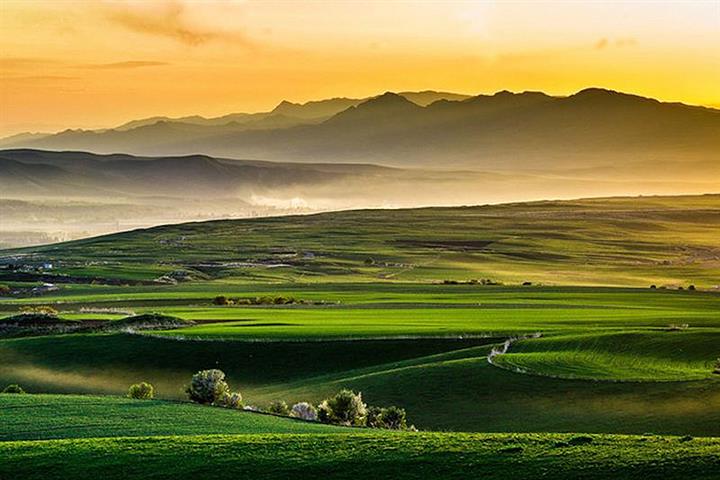
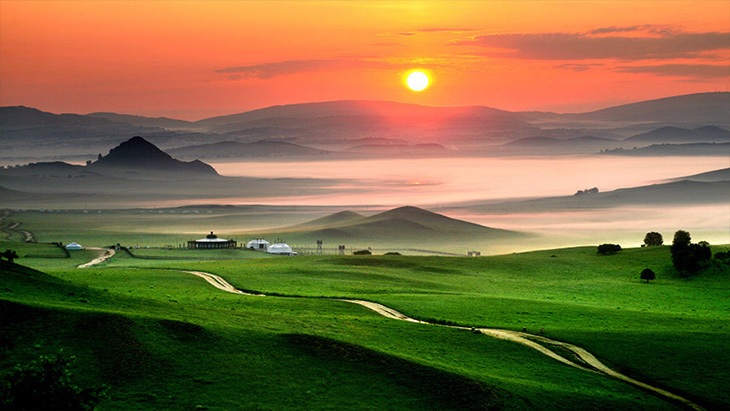
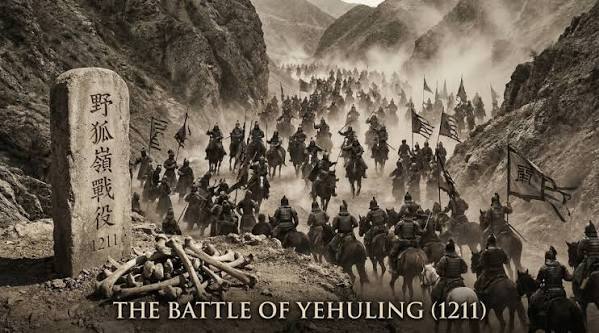
Toward Yehuling, 1211 Unfolding steppes emerge as flattened plains Horses graze nearby on budding sprouts The squatting yurts that stud the overcast For soon it will be time. Across the plains, beyond the sleep-eyed herd, But here the pasture plains are yet untrammeled; Poet’s Note: The battle at Yehuling (literally “Wild Fox Ridge”) was the first major struggle between the Jin Dynasty and the increasingly-powerful Mongol Empire. The march toward Yehuling began in the early spring of 1211, with the majority of the fighting occurring between August and October of that same year. This part of the campaign was a total victory for the Mongols, allowing them to gain a foothold in the northern Jin territories and initiating a downfall that would culminate 23 years later in the collapse of the Jin Dynasty.. 金國派出石抹明安(契丹族)向成吉思汗談判,成吉思汗收買石抹明安投降,石抹明安叛降向成吉思汗,並提供成吉思汗金軍佈兵情報; 又一次採取集中突破戰術,命令木華黎率八魯營自獾兒嘴通道發起突擊,戰鬥發起前,木華黎向成吉思汗立誓:「不破金軍,不生返!」士氣激昂大漲;此役,木華黎親自帶頭衝鋒,蒙古軍隊因地勢全部下馬步戰,但仍憑藉高昂的鬥志和銳氣殺敗金軍,且木戰前運用重刑犯釋放當前鋒帶罪立功,直逼完顏承裕中軍大營。結果金軍由於過於分散聯絡調度不利,人心渙散,全軍潰逃,指揮官完顏九斤殉國。30萬主力就此瓦解。.. .The Battle of Yehuling, literally the Battle of Wild Fox Ridge, was a major decisive battle fought between the Mongol Empire and Jurchen-led Jin dynasty during the first stage of the Mongol conquest of the Jin dynasty. The battle was fought between August and October 1211 at Yehuling (野狐嶺; lit. "Wild Fox Ridge"), which is located northwest of present-day Wanquan District, Zhangjiakou, Hebei Province. The battle, which concluded with a decisive Mongol victory, was followed by the assassination of the Jin emperor, Wanyan Yongji, by one of his generals. It also hastened the weakening and decline of the Jin dynasty. .
 . . |
|
| ( 知識學習|檔案分享 ) |


 .
.