作家


 字體:小 中 大 |
|
|
|||||||||||||||
| 2026/10/22 20:55:56瀏覽584|回應0|推薦6 | |||||||||||||||
|
.
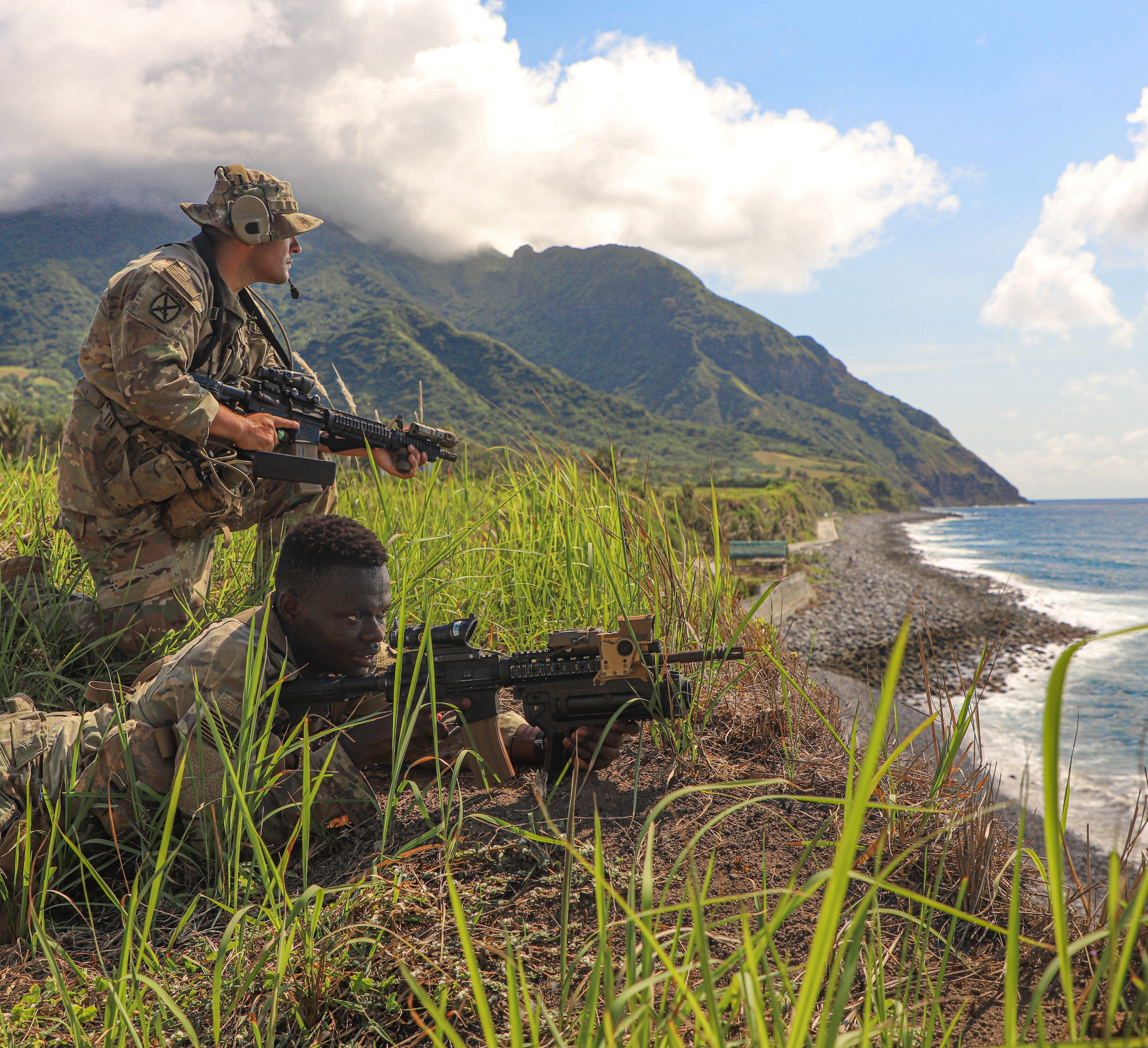
       .美國陸軍20261007發布新作戰準則,若台海爆發衝突,將於首日動員區域內所有部隊投入作戰,以搶占戰場主導權,一改小型部隊編制,轉向以師、旅為核心的大規模機動作戰體系。
美國陸軍日前公布多達46頁的「陸軍如何作戰」(How the Army Fights)指南,由曾任韓美聯合司令部副參謀長的陸軍代理參謀長(Christopher LaNeve)操刀,並且明確定義中國是「步步進逼的威脅」 「美國本土不再是避風港…為確保來自本土的主力部隊能順利抵達,必須在敵軍家門口打贏第一場仗。」 專家認為,這反映出五角大廈的戰略判斷,認為敵軍可能攻擊鐵路、港口等美國本土的動員設施來拖延美軍增援,因此預先在衝突熱點附近部署兵力和武器已成關鍵要務。 為了達成這項目標,美國陸軍將地面部隊的運用分成整合、打擊、近戰與持續作戰能力等4個階段。 首先,美軍將運用電子戰、太空與網路能力,來癱瘓敵方的指揮系統與雷達網路,再以中長程精準火力與自殺式無人機,打擊敵方後方補給線與部隊,隨後派出地面機動部隊奪取關鍵戰略據點。 美軍也記取俄烏戰爭中,無人機與精準導引武器讓戰線陷入膠著的教訓,決定大幅強化偽裝與欺敵戰術。 值得注意的是,美軍預計將長程精準打擊武器和「多領域特遣部隊」(MDTF)集中部署在從日本九州南部延伸至台灣與菲律賓的第一島鏈,這裡向來被視為中國海軍的作戰半徑範圍。 「多領域特遣部隊」規模約2100人,是配備長程飛彈、防空系統和網路與電子戰能力的前線機動部隊。外界普遍解讀,此舉是要在衝突爆發初期,瓦解中國的「反介入/區域拒止」(A2/AD)戰略。 在連接東京、關島(Guam)和帛琉(Palau)的第二島鏈,美國將設立大型彈藥與燃料儲備基地,再透過無人水面載具(USV)和無人機向前線部隊運送補給物資。美方也明確宣示,將把歐洲和中東的傳統防務職責移交北大西洋公約組織(NATO)等在地盟友,以便將有限的軍事資源集中在印太地區。 這份指引出爐之際,川普政府正要求駐韓美軍提高「戰略靈活性」,並力推韓美同盟現代化。 美國陸軍在指引中強調,將盟國基地轉型為聯合兵力投射平台相當重要,美軍必須在緊急事態發生時,取得基地使用權和空域通行權。南韓是印太地區駐紮美軍人數僅次於日本的國家,極可能直接或間接被納入對中國的初期嚇阻作戰。 .
  美國陸軍於2026年10月7日正式發布了全新作戰指導手冊.
(核心戰略精神).首日即戰:文件由美國陸軍副參謀長克里斯托弗·拉內夫(Christopher LaNeve)主導制定。其核心要求是:若西太平洋或台海爆發衝突,前沿部署的部隊必須在衝突第一天立即投入作戰,不能再假設能從美國本土獲得順利的大規模增援。
該手冊將美軍陸軍的作戰方式歸納為以下四大核心支柱:
.
Developed by the Vice Chief of Staff of the Army, How the Army Fights builds on the Army’s multidomain operations doctrine by explaining how the force employs land power at the operational level of war. The guidance aligns how the Army organizes, trains, equips and sustains its formations for contested, high-intensity conflict.
“The challenge is on us as the leaders of the Army to make the decisions that are needed for the Army today,” said Acting Secretary of the Army Adam Telle. “This guidance provides a clear framework for focusing the Army’s efforts and ensuring the force is prepared to fight and win.” The framework organizes Army land power through four interdependent operational elements:
Together, these elements enable operational maneuver and connect battlefield actions to campaign outcomes. Convergence and Endurance establish the conditions for success, while Strike and Close Battle deliver decisive effects. How the Army Fights reinforces that the Army must maintain its technological edge while recognizing that war remains a human endeavor. The guidance addresses the integration of advanced capabilities, including uncrewed systems, artificial intelligence-enabled tools, resilient networks and precision fires, while underscoring the enduring importance of Soldier judgment, discipline and leadership. “Technology will extend our reach and strengthen our combat power, but war remains a human contest of wills,” said Vice Chief of Staff of the Army Gen. Christopher C. LaNeve. “Our Soldiers remain our decisive advantage.” The guidance directs the Army to prioritize operational readiness for the pacing threat, defend the homeland as a strategic base for power projection, and strengthen posture, interoperability and resilience with allies and partners. It also recognizes the need to sustain combat power across vast distances and under persistent adversary pressure.
 WASHINGTON — The U.S. Army released How the Army Fights, new operational warfighting guidance that provides a common framework for translating tactical success into campaign-level advantage for the Joint Force.
. 重點.第一島鏈:集中資源強化日本九州南部、台灣延伸至菲律賓一帶的作戰基礎設施與前沿多領域能力。
|
|||||||||||||||
| ( 時事評論|國際 ) |