作家
作家


 字體:小 中 大
 |
|
|
|||||||||||
| 2026/02/28 13:08:26瀏覽449|回應0|推薦5 | |||||||||||
..
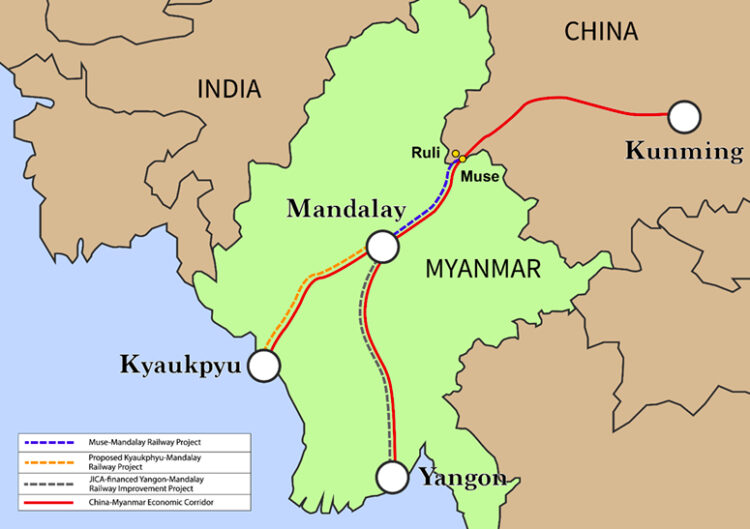
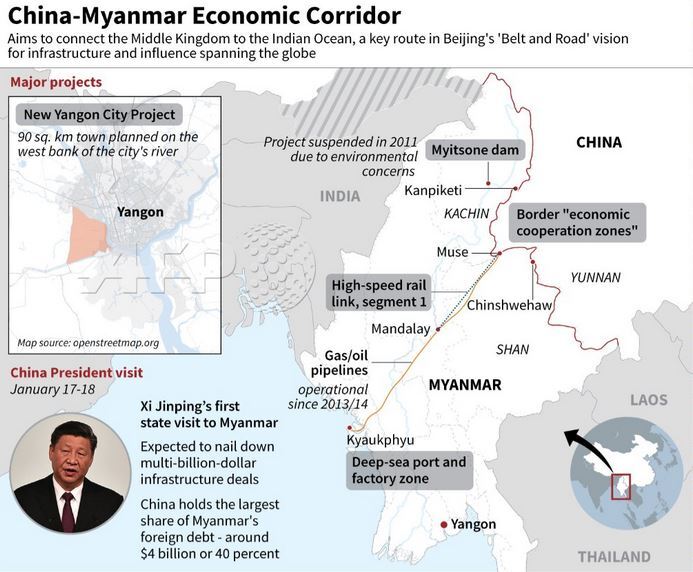
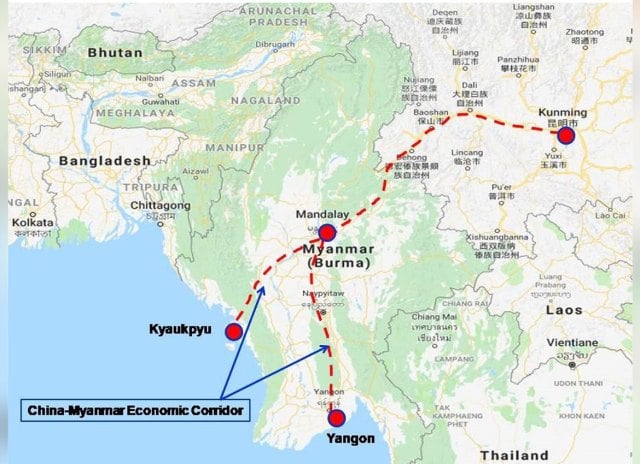
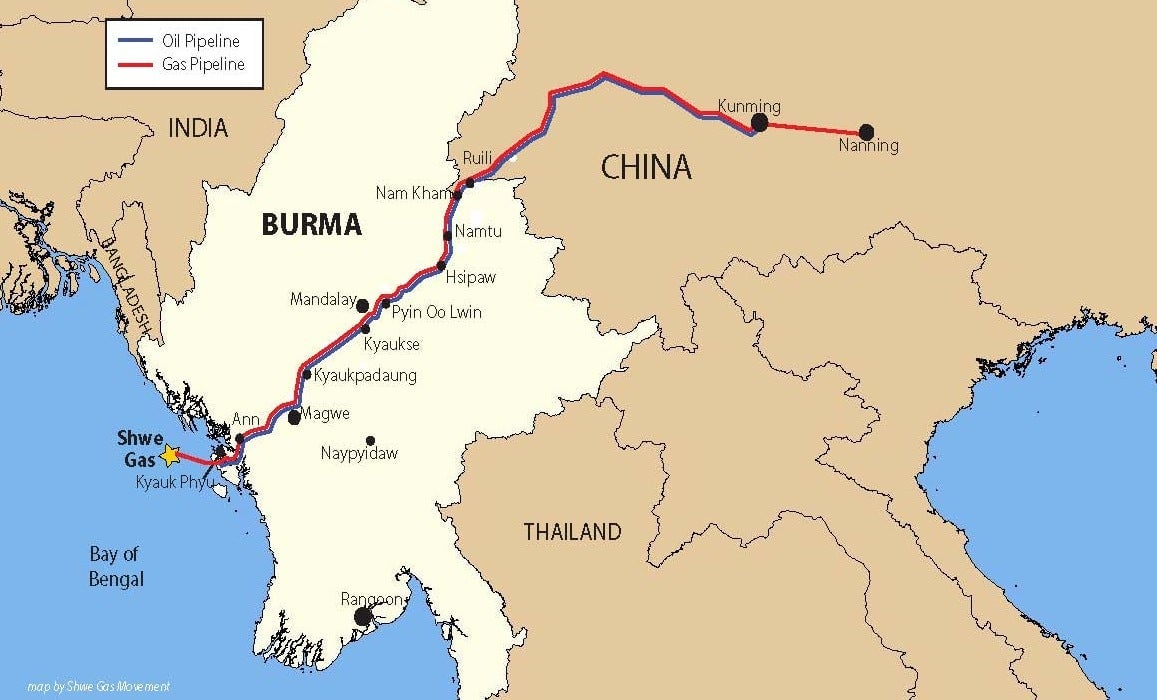
Myanmar: Junta claims Muse–Mandalay railway construction“underway” despite conflict; bordering rail line in China advances.賀中緬鐵路開工興建,直接打破麻六甲海峽航運霸權. https://youtu.be/mDzZLe0B0SM?si=8ErPg69j0LRf20jm https://youtu.be/VDhadYtIv1o?si=JBfLxRl84_h-0eFU .中緬鐵路是指連接中國雲南省和緬甸的鐵路,為規劃建設中的泛亞鐵路的一個組成部分,起點為中國雲南省的昆明市,終點為緬甸仰光,全長約1920公里。 .The CMEC is envisaged as a 1,700‑km route from Kunming to Mandalay, then branching east to Yangon and west to the Kyaukphyu Special Economic Zone (SEZ) in Rakhine. Kyaukphyu already hosts the terminus of China’s twin oil and gas pipelines and is slated for a deep‑sea port that would give Beijing direct access to the Indian Ocean, bypassing the Strait of Malacca. .The commencement of the China-Myanmar Railway construction directly breaks the shipping hegemony of the Strait of Malacca.. The proposed Mandalay–Muse railway, a 410‑km standard‑gauge electrified line, is designed for trains running at a fairly leisurely 160 km/h, but that would still cut the journey from Mandalay to the border to just three hours—down from eight by road. Muse remains Myanmar’s largest trading gateway with China, while Mandalay is central Myanmar’s commercial hub and second‑largest city. https://youtu.be/A0zFFPNAmJY?si=4XIJYWAN0EojGTR8 .中緬鐵路是連接中國雲南昆明與緬甸仰光/皎漂的國際鐵路,全長約1920公里,為「一帶一路」下中緬經濟走廊及泛亞鐵路西線的核心工程。該項目旨在打破馬六甲海峽依賴,打造直通印度洋的物流通道,大幅縮短運輸距離。昆明至瑞麗段(大瑞鐵路)正加緊建設,而緬甸境內木姐至曼德勒段也在持續推動。 關鍵細節與進展:
.
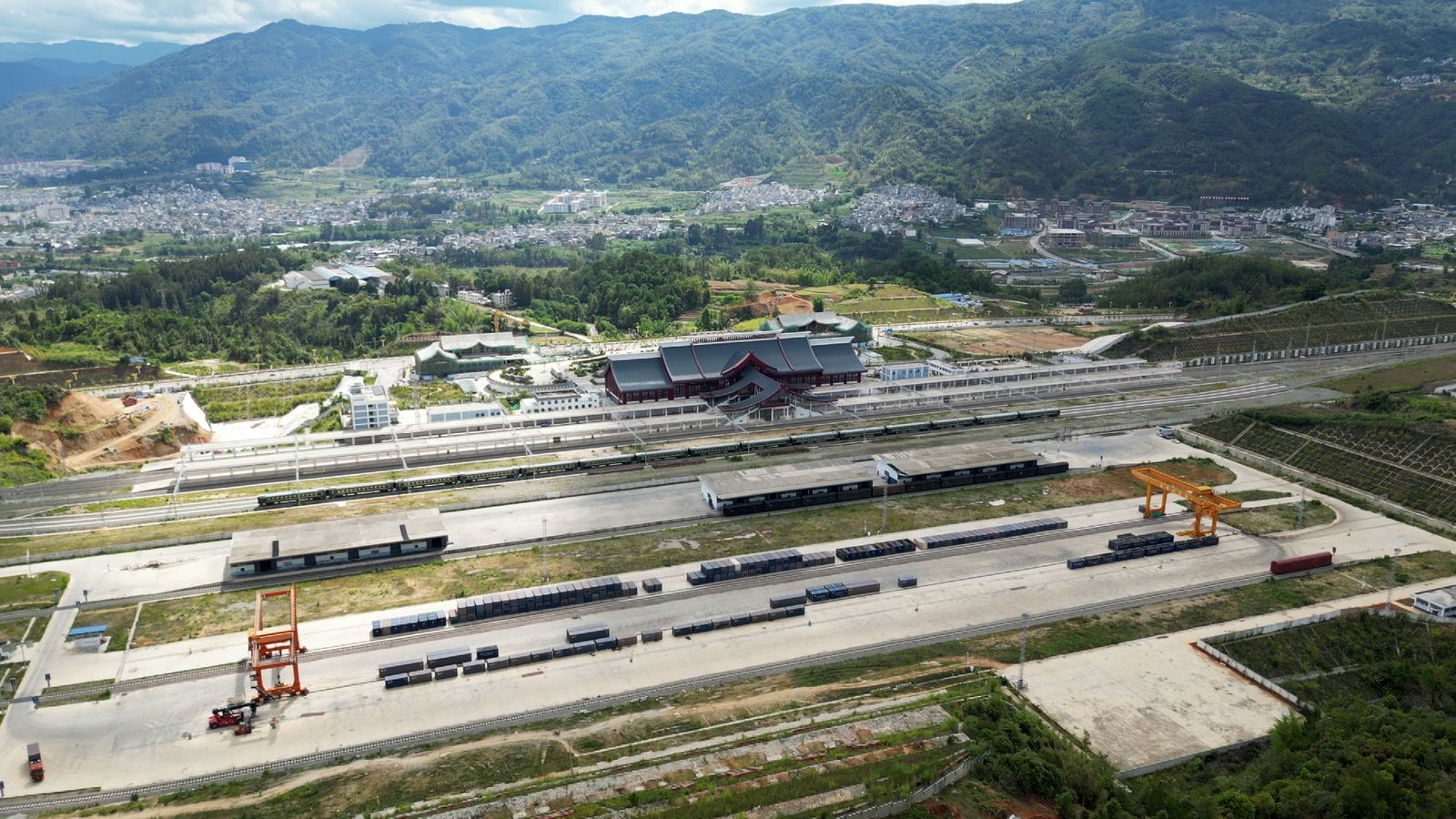
  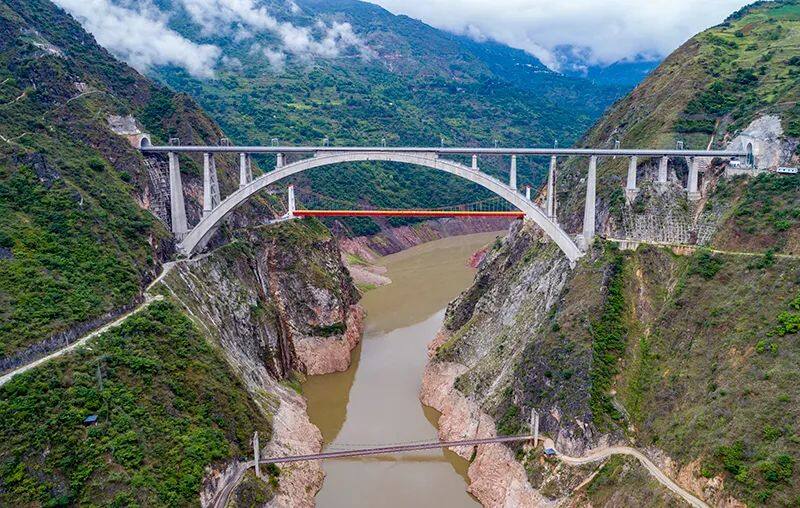 China Speeds Up Railway That Will Cut Swathe Through Myanmar.. .China is accelerating construction of a strategic railway in western Yunnan that is eventually supposed to connect to Myanmar’s planned Mandalay–Muse line. The 330‑km Dali–Ruili Railway—described by Chinese engineers as the world’s most difficult railway to build—is entering its final and most technically demanding phase. The new push is a show of big-power confidence, defying conflict and instability on the Myanmar side of the frontier that threaten to stall the project for years to come. .It goes as far as Ruili on the Myanmar border—and there it will stop for now, since the resistance Brotherhood Alliance now controls the Kyin San Kyawt Border Gate as well as the 105‑Mile Trade Zone in northern Shan State on the other side, dramatically shifting control of the border economy. The railway is being built in two stages. The first, from Dali to Baoshan, opened in 2022 after 14 years of construction through some of China’s most treacherous terrain. Construction of the second half, from Baoshan to Ruili, began in 2015 and is expected to be completed in 2028. Baoshan is western Yunnan’s second‑largest metropolitan area after Dali. It sits between the Myanmar border and the Lancang (Mekong) River, bordering Kachin State to the northwest and Shan State to the south. It used to be a major destination for travelers from Myanmar before the global pandemic. Currently, engineers are tackling the project’s final obstacle: the 34.5‑km Gaoligong Mountain Tunnel, which will be the longest rail tunnel in Asia. It is halfway complete, but officials say recent technical breakthroughs will speed up progress. Once finished, the line will halve travel time from Kunming to Ruili from nine hours to about 4.5 hours and anchor the China–Myanmar international railway corridor, one of Beijing’s most strategically important Belt and Road Initiative (BRI) routes. An analyst of China-Myanmar relations said China is preparing to get ready on its side to link with the Muse–Mandalay railway. “Once connected, Beijing will geopolitically benefit as the railway gives it a direct access to the Indian Ocean,” she said. .But for China, the stakes are enormous. A completed Kunming–Kyaukphyu corridor would give Beijing a direct overland route to the Indian Ocean, easing its dependence on contested maritime chokepoints and accelerating development in landlocked Yunnan Province. For Myanmar, the picture is murkier. While better connectivity could boost trade, the financial, political and security risks are mounting. Whether the line ever reaches Mandalay—or Kyaukphyu—will depend not on engineering or diplomacy, but on whether the country can resolve the intensifying political crisis. .
|
|||||||||||
| ( 時事評論|國際 ) |


 .
.