作家
作家

 
 字體:小 中 大
 |
|
|
|
| 2026/03/03 13:06:29瀏覽399|回應0|推薦6 | |
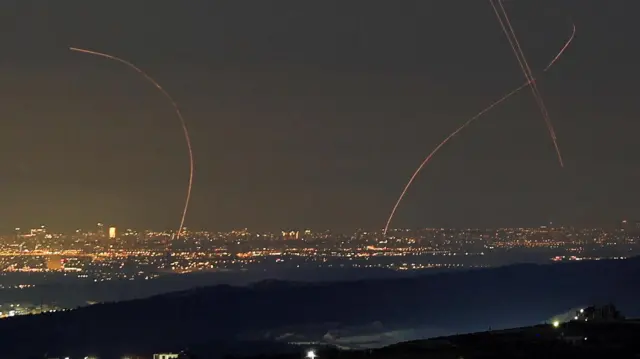
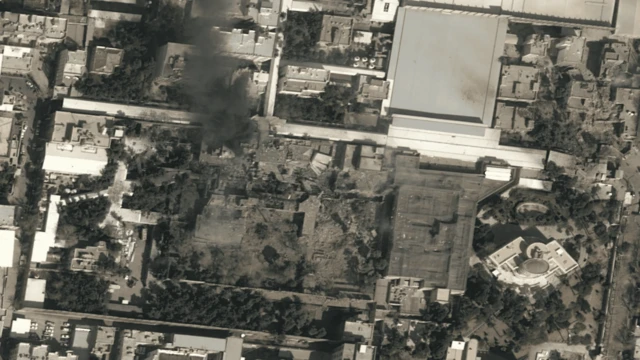
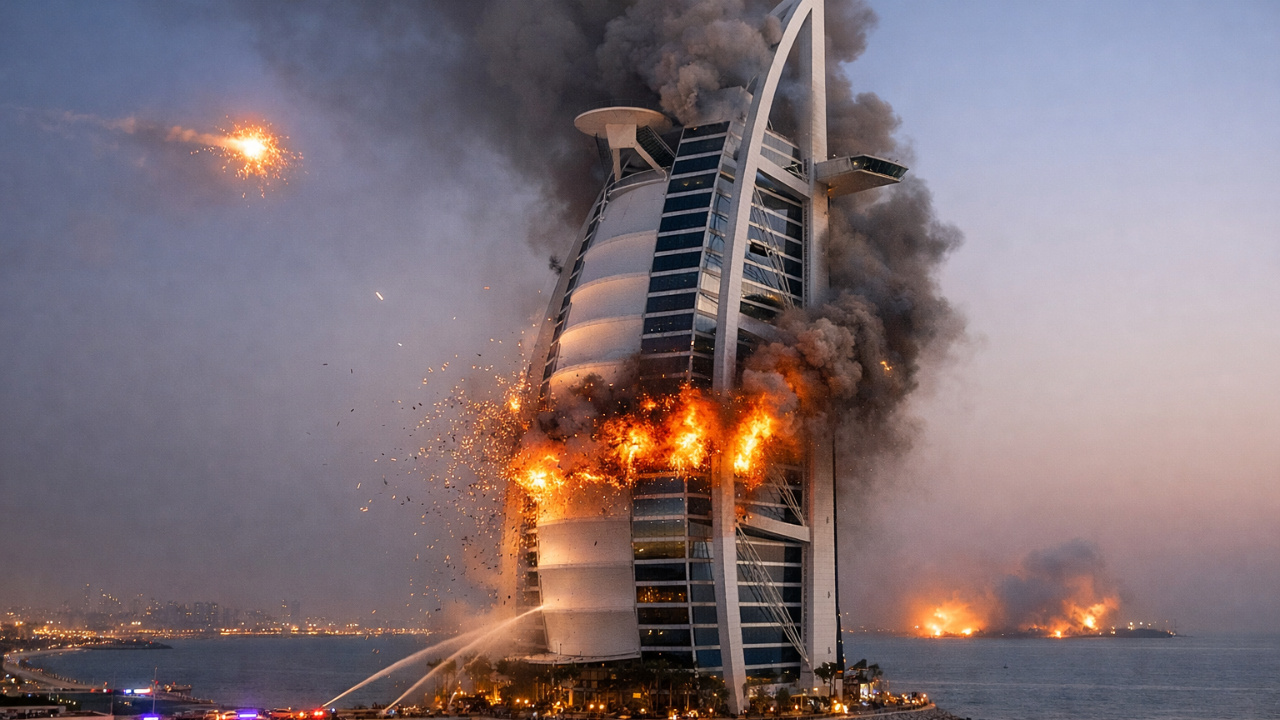
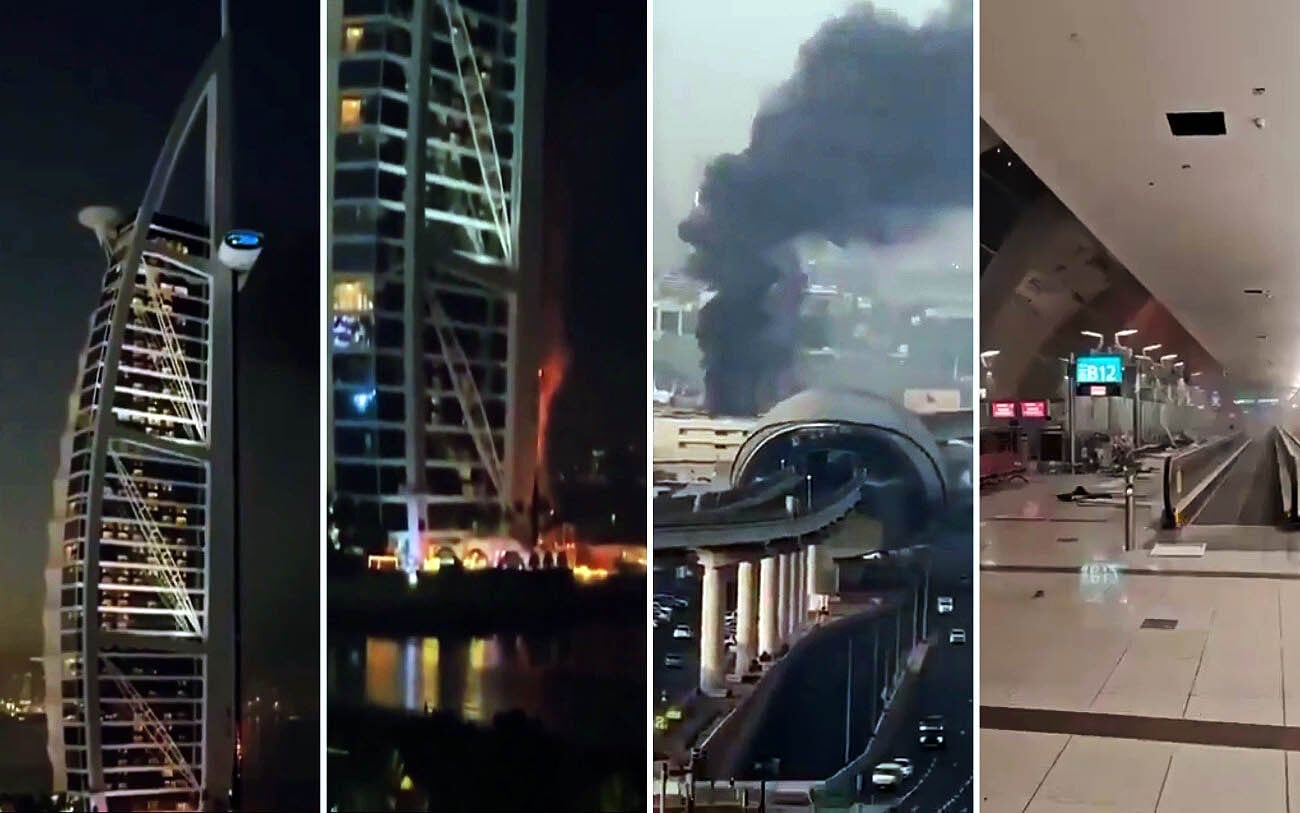
.. 美國 以色列與伊朗戰爭.城門失火池魚之殃 . UAE/DUBAI.Burj Al Arab Hotel Hit By Iran After Strike On Dubai International Airport.. USA,ISRAEL WAR GAME WITH IRAN...
.. ..
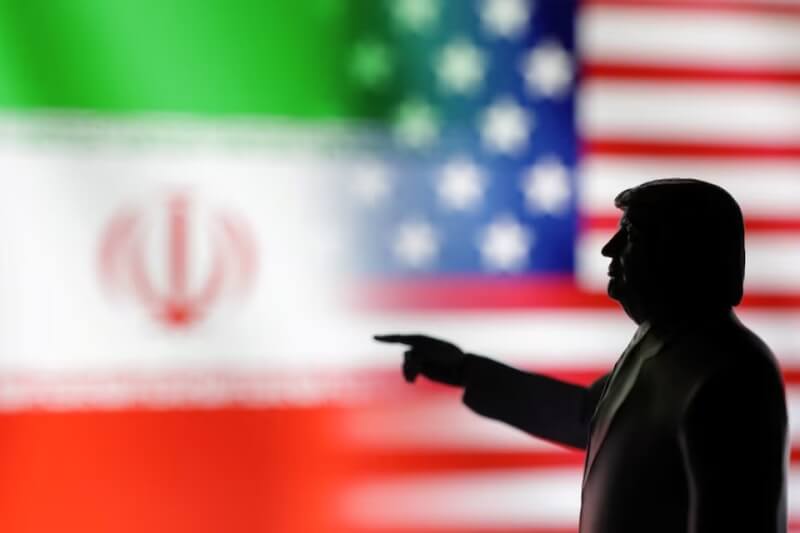
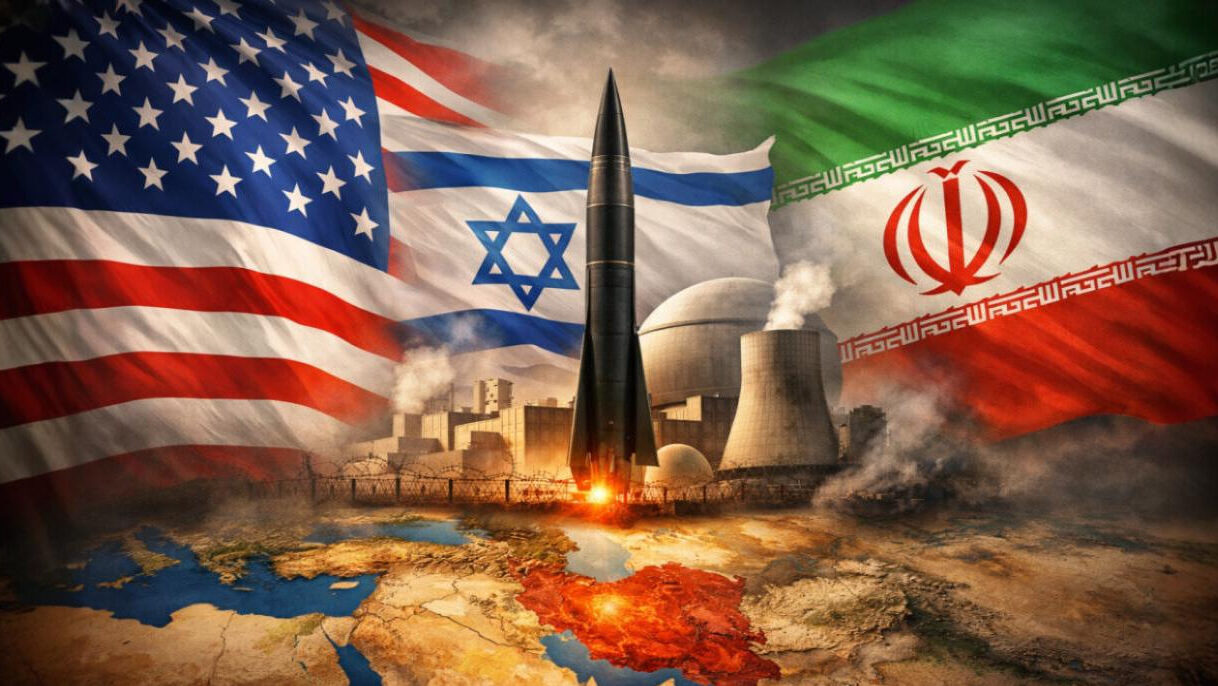
Why Do Israel and the United States See the Iran Threat on Different Strategic Timelines?As Israeli and US officials trade signals about next steps on Iran in late December 2025—including discussion of a possible meeting between Prime Minister Benjamin Netanyahu and President Donald Trump—an old strategic dilemma has returned to the forefront: how to prevent Tehran from edging closer to a nuclear weapon without triggering a wider regional war or locking Washington into an open-ended confrontation. Israeli security officials have warned their American counterparts that recent Iranian missile activity, described publicly as exercises, could also function as operational preparation. From Jerusalem’s perspective, Iran has repeatedly used drills, proxy movements, and calibrated escalation to normalize dangerous realities before adversaries respond. Geography sharpens the concern. Missiles launched from Iran or through Iranian-backed forces in Lebanon, Syria, or Iraq compress Israel’s decision time to minutes rather than days. After the Hamas-led October 7, 2023 attack on Israel, strategic thinking in Jerusalem became less tolerant of ambiguity. Many Israelis concluded that long-standing assumptions about deterrence, economic pressure, and diplomatic process failed to prevent surprise and mass-casualty violence. That experience now shapes how Iranian behavior is interpreted, particularly when Tehran tests limits without formally crossing declared red lines. Washington often views the same intelligence through a broader lens. US officials and analysts broadly agree that Iran’s technical capabilities have advanced, but they differ on intent—whether Tehran has made a political decision to weaponize now or is deliberately maintaining ambiguity while improving leverage. American decision-makers also weigh escalation risks beyond Israel’s borders, including retaliation against US forces, disruption of Gulf energy infrastructure, and shocks to global markets. On the American right, these questions have produced competing answers. Sen. Lindsey Graham has argued forcefully that deterrence only works if Iran believes Washington will act. He warned this week that if there is credible evidence Iran is resuming enrichment at undisclosed sites, the response must be immediate, saying delay only increases the eventual cost and allows Tehran to rebuild what has been damaged. The Trump administration has sought to project firmness while narrowing the scope of confrontation. Vice President JD Vance has said the United States is “not at war with Iran” but focused on Iran’s nuclear program, framing recent actions as targeted and limited rather than the opening of a broader conflict. The emphasis on capability rather than regime change has become a defining feature of the administration’s messaging.
|
|
| ( 時事評論|國防軍事 ) |








 .
.