作家
作家

 
 字體:小 中 大
 |
|
|
|
| 2026/01/30 16:21:32瀏覽403|回應0|推薦4 | |
|
.
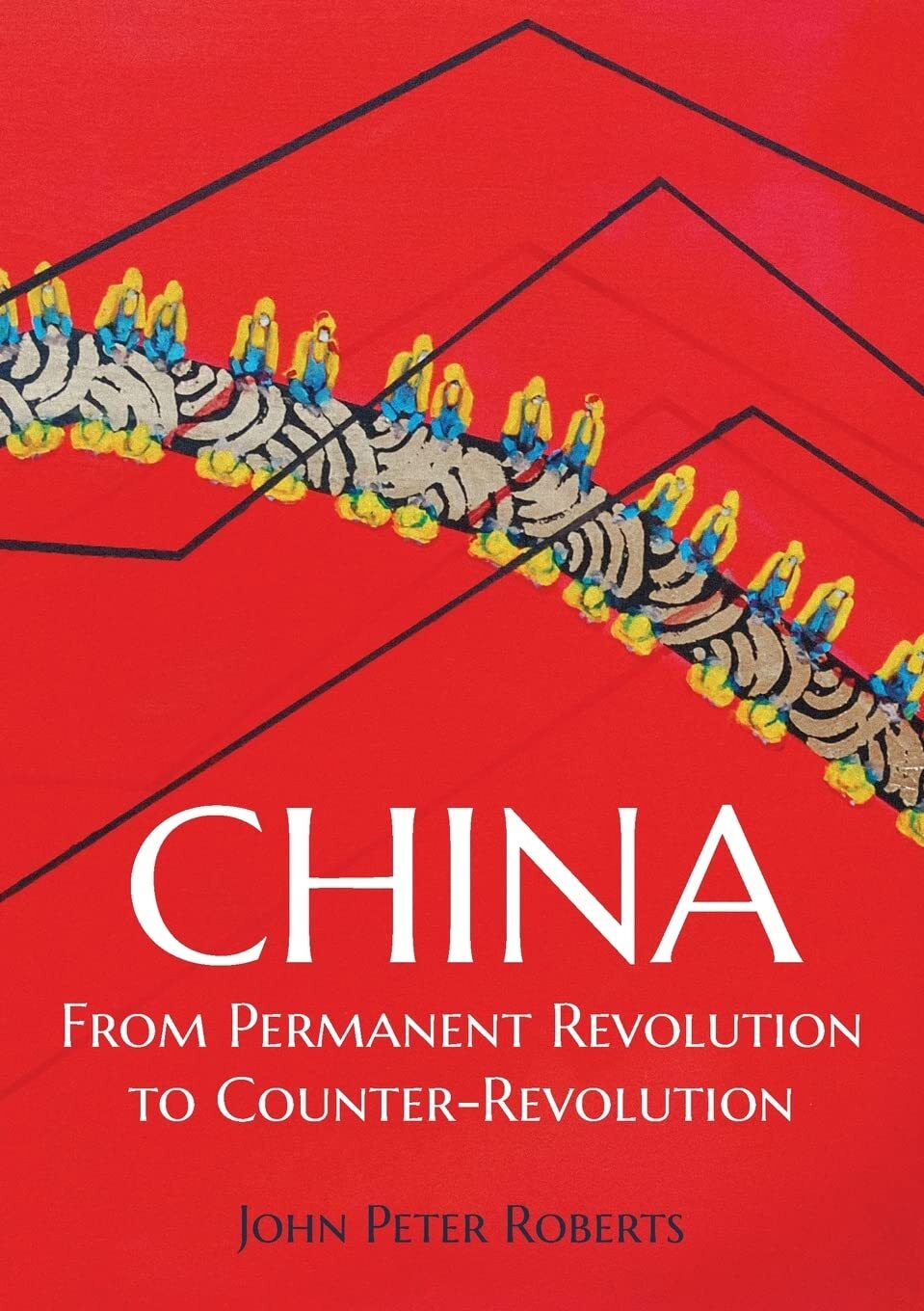
Thirty years ago China embarked on a road that was eventually to lead to a return to capitalism. This opened up an important new market for world capitalism and was an important factor in avoiding a generalised global crisis after the 2008 economic collapse. This title and many others are available from Wellred Books. For a generation China had been the motor driving the capitalist system, but the methods it used to maintain growth after 2008 – massive credit and state spending – are now no longer working and have in fact become important factors in its present slowdown. This is now impacting enormously on the rest of the world economy which is still struggling to climb out of the previous crisis. China’s massive productive capacity that provided huge profits for companies such as Apple is now greater than the world can consume under capitalism, and the country’s industrial growth is slowing down even more sharply. Official figures may claim the Chinese economy is still expanding, but it will no longer maintain even the existing poor living conditions. The current overcapacity, best seen in the steel industry, threatens the world capitalist order. Steel in China is stockpiled by the thousands of tonnes and left to rust, hundreds of thousands of steelworkers are being made redundant and are returning to their villages to eke out a subsistence existence. Massive quantities of Chinese steel, costing less than the equivalent weight of cabbages, are dumped on the world market, ending steel production in Port Talbot and Redcar, warning other sectors of British industry of the fate awaiting them. Faced with a capitalist crisis, the Chinese leadership (five of the seven members of the standing Committee of the Politburo being multi-millionaires) is attempting capitalist solutions. The yuan has been devalued to increase the attraction of Chinese goods, mirroring the protectionist actions of the 1920s that promoted the Great Depression, which only ended with World War II. The world is heading for a very turbulent period, especially in terms of class struggle and social explosions.But how to understand the course of events within China? China, from Permanent Revolution to Counter Revolution, using newly available sources, charts the development of the Communist Party of China (CPC) from its founding, to the taking of power, establishing a (deformed) workers’ state and, finally, reintroducing capitalism. The book demonstrates that, at its assumption of state power in 1949, the CPC was a thoroughly bureaucratised Stalinist Party, with the bureaucracy placing its own caste interests before those of the Chinese people. It provides essential information on what actually happened in the build-up to 1949 and thereafter, showing how a Stalinist party, formally adhering to bourgeois democracy was forced to rapidly abolish capitalism, thus brilliantly confirming Trotsky’s theory of the Permanent Revolution, albeit in a deformed manner. The immense progress of the working masses, seen for example, in the field of women’s liberation, a key indicator of the advancement of working people, is shown in the book. However, it also reveals how a workers’ state, whilst having the required economic base, i.e. a nationalised planned economy, if devoid of any soviet democracy, or means for workers to exercise state or governmental power is, as Leon Trotsky foretold, eventually destined for crisis. This book argues that China’s return to capitalism did not begin as a conscious choice but was an empiric move to overcome economic and social difficulties. Revealing how initially, the CPC policy was similar to the Bolsheviks’ New Economic Policy of the early 1920s, which made some concessions to market methods in order to ignite the Russian economy. For the relatively healthy Russian workers’ state to adopt such policies was one thing; the results were very different when the Chinese privileged bureaucratic elite embraced the same policy in their own interests. Using material published by the CPC, this book confirms Trotsky’s perspective developed in The Revolution Betrayed, that one way in which the return to capitalism could take place, i.e. counter-revolution, could be through the “Communist Party” as the privileged bureaucracy sought to protect their privileges and to bequeath them to their offspring. Thus the title of this book encapsulates the essence of 90 years of Chinese history, exposing what really happened. Chinese workers are already engaged in massive strikes and demonstrations against unemployment and worsening working conditions. Inevitably, they will seek an alternative to the CPC and will begin by consulting their own history. They will need to unearth the truth, now buried under a mountain of official mythology. This book is an excellent starting point.
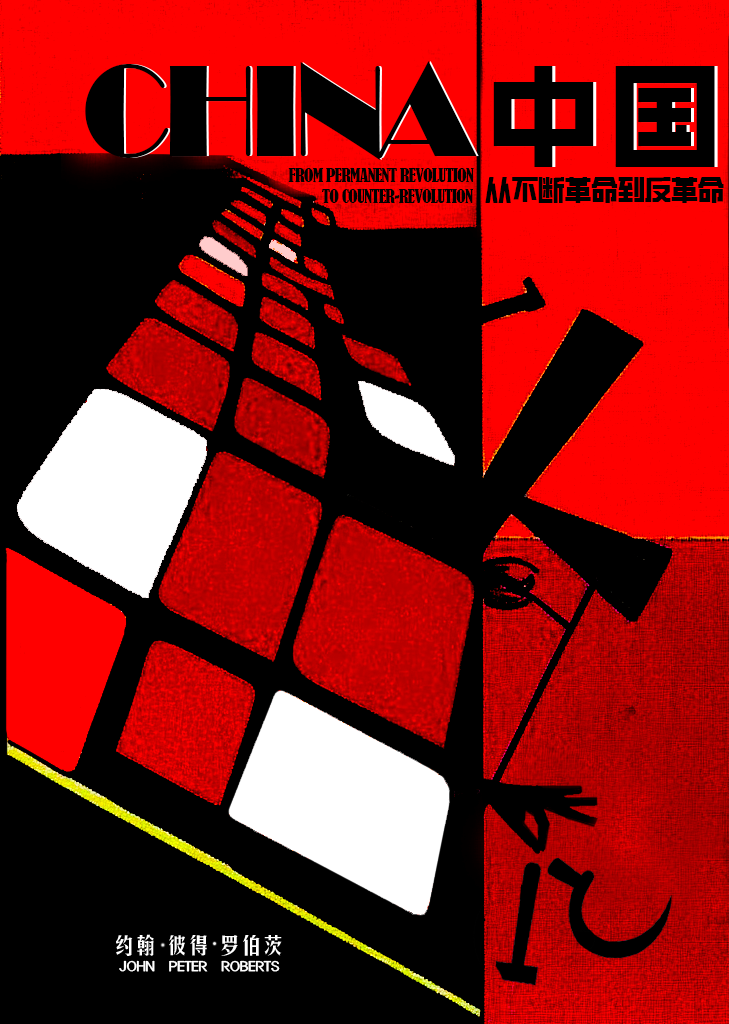
This book answers the questions: - What was the class composition and class nature of the Chinese Communist Party when it took power in 1949? - What forces pushed the Mao regime, despite its explicitly class-collaborationist strategy, to take measures which were objectively socialist and to establish the Chinese workers state? - The Chinese Revolution was a practical test of both Trotskys theory of permanent revolution and Maos theory of uninterrupted revolution by stages. Which theory matched reality? - The degeneration of the Chinese Peoples Republic has confirmed that without a political revolution, a Stalinist regime will inevitably return to capitalism, but how did that process unfold? The author also argues that the policies adopted by the Chinese Communist party towards women were a direct measure of its revolutionary commitment. Throughout the book, how the activities of the CCP impinged upon the mass of Chinese women is used as a measure of its socialist credentials. This book also describes how the return to capitalism has meant that many of the gains made by Chinese women have been, and are being, taken away. .由革命共產國際旗下的出版社Wellred Books原於2016年發行的著作 《中國:從不斷革命到反革命》 (China: From Permanent Revolution to Counter-revolution)2025年中譯版的序言 .本書於2016年2月首次出版,以馬克思主義的視角闡述了中國近代以來的歷史。原著的範圍很廣,從20世紀初清朝末年開始,一直到習近平擔任國家最高領導人的第一個任期後期。從世界革命的角度來看,中國現在已成為最重要的國家之一。 在這段歷史概述中,書中解釋了中國如何透過1949年的革命終於擺脫落後以及地主階級和帝國主義統治的枷鎖。這場革命不是由民族資產階級主動發起的,而是經歷了一個曲折而矛盾的過程而達成的。這個過程的結果就是在一個共產黨的領導下產生了中華人民共和國這個國家,沒收了資本,建立了國有化的計畫經濟。實現這一目標的過程證實了馬克思主義理論,尤其是列夫·托洛茨基的「不斷革命論」——殖民民族的各問題無法在資本主義的狹隘範圍內解決——儘管它是以曲折的方式展現出來的。 .中國革命歷史性地將千百萬勞苦大眾從地主主義、資本主義和帝國主義的剝削和奴役下解放出來。因此,馬克思主義者認為這場革命是繼1917年俄國革命之後人類歷史上第二大事件。 然而,馬克思主義者也明白,這場革命所產生的國家不是以早期蘇維埃俄國在弗拉基米爾·列寧和托洛茨基領導下的工人民主制為榜樣,而是以約瑟夫·史達林的深度官僚化政權為藍本。在這種史達林官僚體制下,工人階級的政治權力被指揮著計劃經濟的自私自利的國家官僚集團所剝奪。 本書概述了儘管中共的革命領袖們,尤其是毛澤東,起初設想與中國民族資產階級中的「愛國/進步」分子建立一個聯合政府,但事態的發展很快迫使新政權推翻資本主義,並採取措施實行計劃經濟,以確保革命的生存。這是中國革命不能侷限於資產階級民主「階段」的具體證明。如果新政權沒有朝著沒收資本主義的方向前進,那麼另一個選擇就是回到類似蔣介石國民黨的政權,而不是發展資產階級民主。0
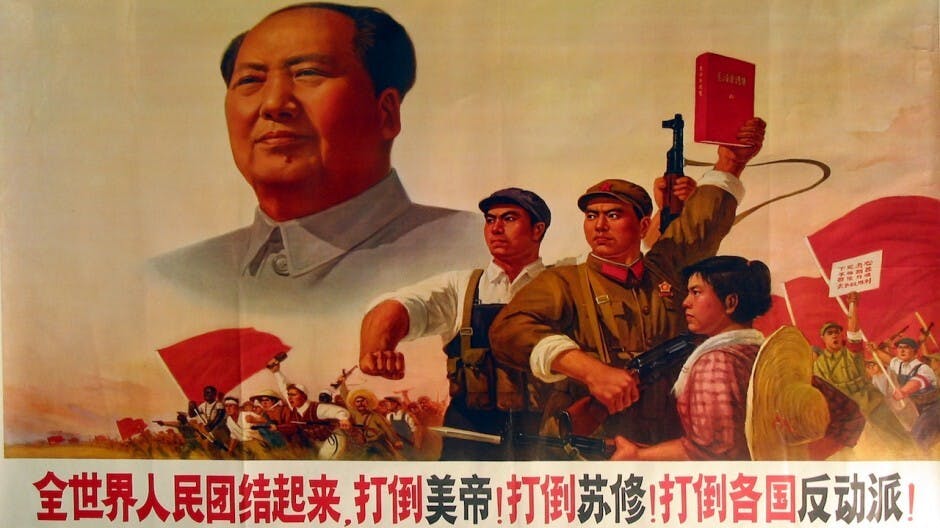
文化大革命紅衛兵的時期,中國青少年,人手1本毛語錄,高喊出,毛主席萬歲.中國共產黨萬歲 打倒資本主義. .
計劃經濟將數百萬人從千百年地主奴役的枷鎖中解放出來。它帶來了革命前中國不曾見過的大規模工業化,在一個幅員遼闊的國家中極大地消除了失業、文盲和落後。它打破了阻礙中國進入現代世界的所有枷鎖。它擺脫了數十年的屈辱和帝國主義的統治,讓這個一直蘊藏著巨大潛力的國家作為一支重要力量屹立於世界舞台。
1949年中國共產黨革命的成就反過來又極大地推動了二戰結束後世界各地的革命浪潮,並激勵著同樣生活在帝國主義統治下的一代又一代革命者們投入到將自己的國家從資本主義統治下解放出來的鬥爭中。 毛澤東和中國共產黨的領導階層從史達林蘇聯繼承了兩大理論弱點。一個是「一國社會主義」的觀點,在實踐中忽略了積極籌備一個世界性的社會主義革命政黨,ㄧ個真正的共產主義國際以完成國際革命擴展到先進的資本主義國家,在世界範圍內終結資本主義的任務。另一個問題─源自於凌駕於工人階級之上的官僚的崛起,是工人民主的缺失,以及隨後工人國家被置於單一政黨的統治之下的政治體制。
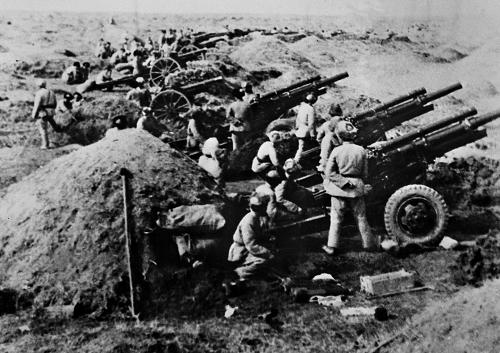
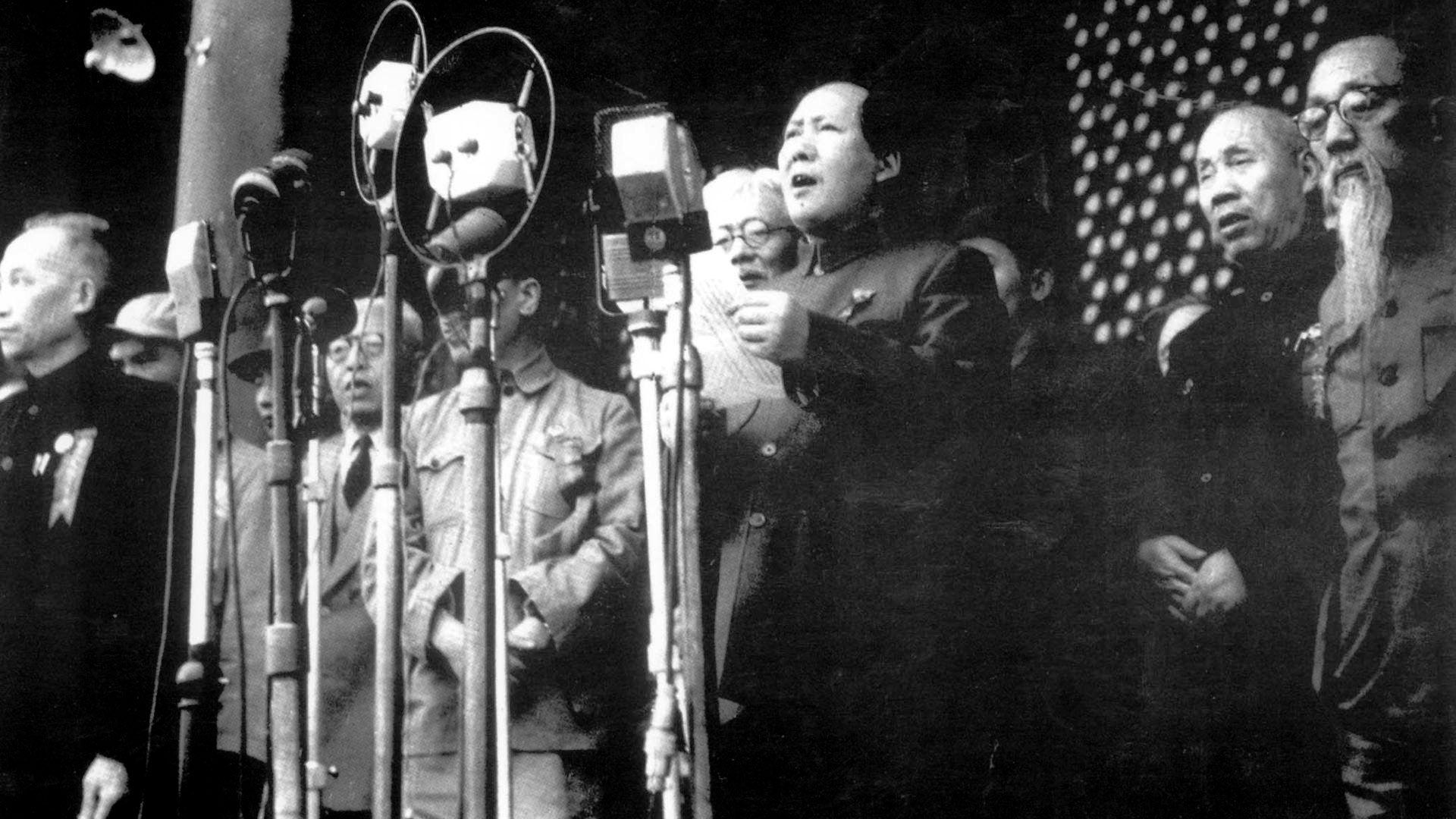
. 1949:中國革命之年.1949年在中國發生的重大事件,其影響範圍遍及世界各地,影響時間更直到二十一世紀。在這動盪混亂的一年裡,原先較親西方的蔣介石政府戲劇性崩潰,敗戰於毛澤東和他的軍隊,中華人民共和國成立。 China 1949: Year of Revolution
. 托洛茨基在1936年寫成的開創性著作《被背叛的革命》中解釋道,社會的社會主義改造雖然可以從一個國家開始,但只有當社會主義取代資本主義成為世界的主導體系時才能真正得到鞏固。如果工人國家的政治領導階層繼續將革命限制在本國境內,那麼革命就會不斷受到來自資本主義的反革命壓力。而如果工人國家繼續阻止工人自下而上地民主管理社會,那麼一小撮官僚的低效、腐敗和主觀缺陷就會在某一時刻成為計劃經濟發展的絕對桎梏,到那時,革命就會面臨削弱和毀滅的危險。 重要的是,托洛茨基為蘇聯提出了三種可能的結局。其一是工人發動政治革命,推翻官僚專政,從而結束民族官僚性的經濟計劃方式和振興計劃經濟的需要之間的矛盾,並重新開啟世界革命。 第二種可能是,這種政治革命可能不會發生,在官僚弊端的重壓下,國家最終會屈服於反革命,從而重建資本主義。第三種可能則是在官僚機構內部,越來越多的人認為重建資本主義是擺脫官僚化計畫經濟矛盾的手段,同時也能維持自身的利益和特權。 幾十年後,歷史證實了托洛茨基的馬克思主義預測。蘇聯和東歐的政權先是經濟成長急劇放緩,最後接連崩潰。時至今日,那裡的群眾仍在承受資本主義復闢的後果。中國同樣受到計劃經濟中官僚主義問題的困擾(本書對此進行了詳細闡述)。它遵循了托洛茨基的第三種預言,即鄧小平領導下的中共政權開啟了「改革開放」政策,最終導致計畫經濟及其所有成果的拆解,而中共卻繼續牢牢控制著國家機器。 儘管黨和國家仍控制著許多大型國有企業和銀行,但經濟的驅動力已不再是經濟計劃,而是資本主義的核心特徵:無政府市場、逐利動機和生產資料私有制。本書詳細分析了上述過程,其中包括毛澤東領導時期發生的幾起重大事件,如韓戰、大躍進、中蘇分裂和無產階級文化大革命。本書也介紹了鄧小平後來如何試圖解決毛澤東時代的內部矛盾,但最終卻重建了資本主義。反革命在中國並不是以推翻官僚機構的單一行動發生的,而是在官僚機構本身的控制下,透過一系列的連續步驟逐步實現。這一事實困惑了一些左翼人士,然而事實就是事實。馬克思主義者應始終考慮到真實的,活生生的過程,而不是試圖將自己對「事情應該如何發展」的先入為主的觀點強加於現實之上。 本書接著追溯了中華人民共和國內資本主義的發展,直到習近平於2012年就任最高領導人後的第一個任期結束。 . |
|
| ( 時事評論|政治 ) |






 然而,在這過程中,由於本書詳述的各種主觀和客觀原因,中華人民共和國走的是史達林領導下的蘇聯的道路,既有優點,也有重大缺陷。但是,實現國有化的計畫經濟是向社會主義過渡的一項基本任務,是對革命政權的捍衛,這本身就驗證了托洛茨基的不斷革命理論,本書的書名由此而來。
 .
. 從某些國際政治觀察家分析而言,中國共產黨也就是說學習蘇聯共產黨,建立的外籍政權統治中國.
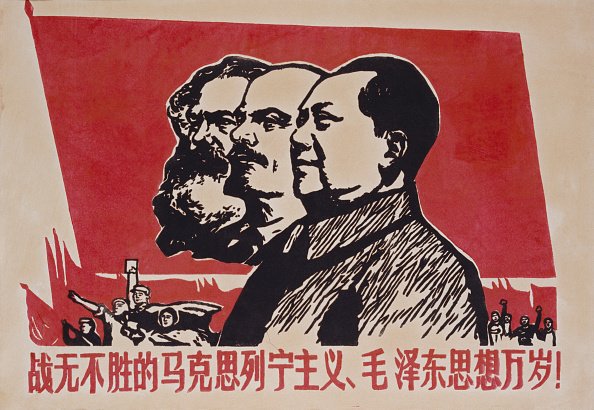 1949. 解放後的"新中國",千瘡百孔,千頭萬緒各式各樣的社會問題層出不窮,尤其甚者就是要恢復過來的經濟建設及社會秩序,其次就是需要國際間的承認,