作家
作家


 字體:小 中 大
 |
|
|
|||||||||||||||||
| 2025/12/14 15:47:56瀏覽174|回應0|推薦11 | |||||||||||||||||
https://youtu.be/dNX7T1jv7DA?si=yrWrVqW7xm53SdiG .
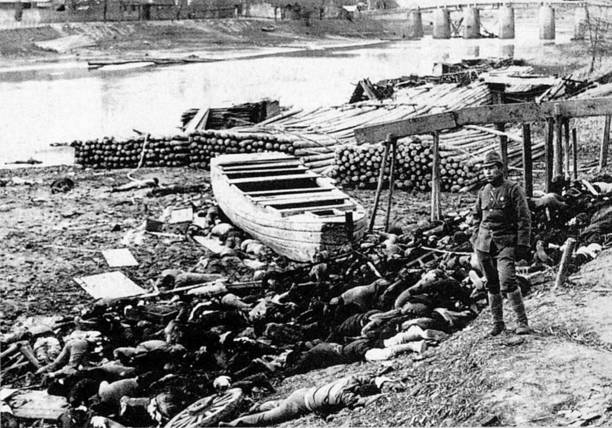
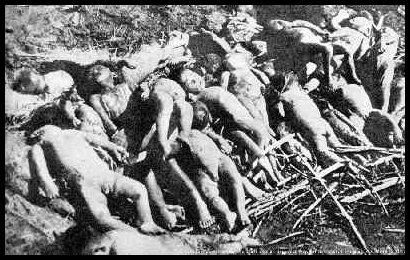 ... ... Murdered women in .Nanking.
. 日本軍人姦殺中國婦女同胞.
 .
 .
 .
Japan hits out as UNESCO archives Nanjing massacre documents..
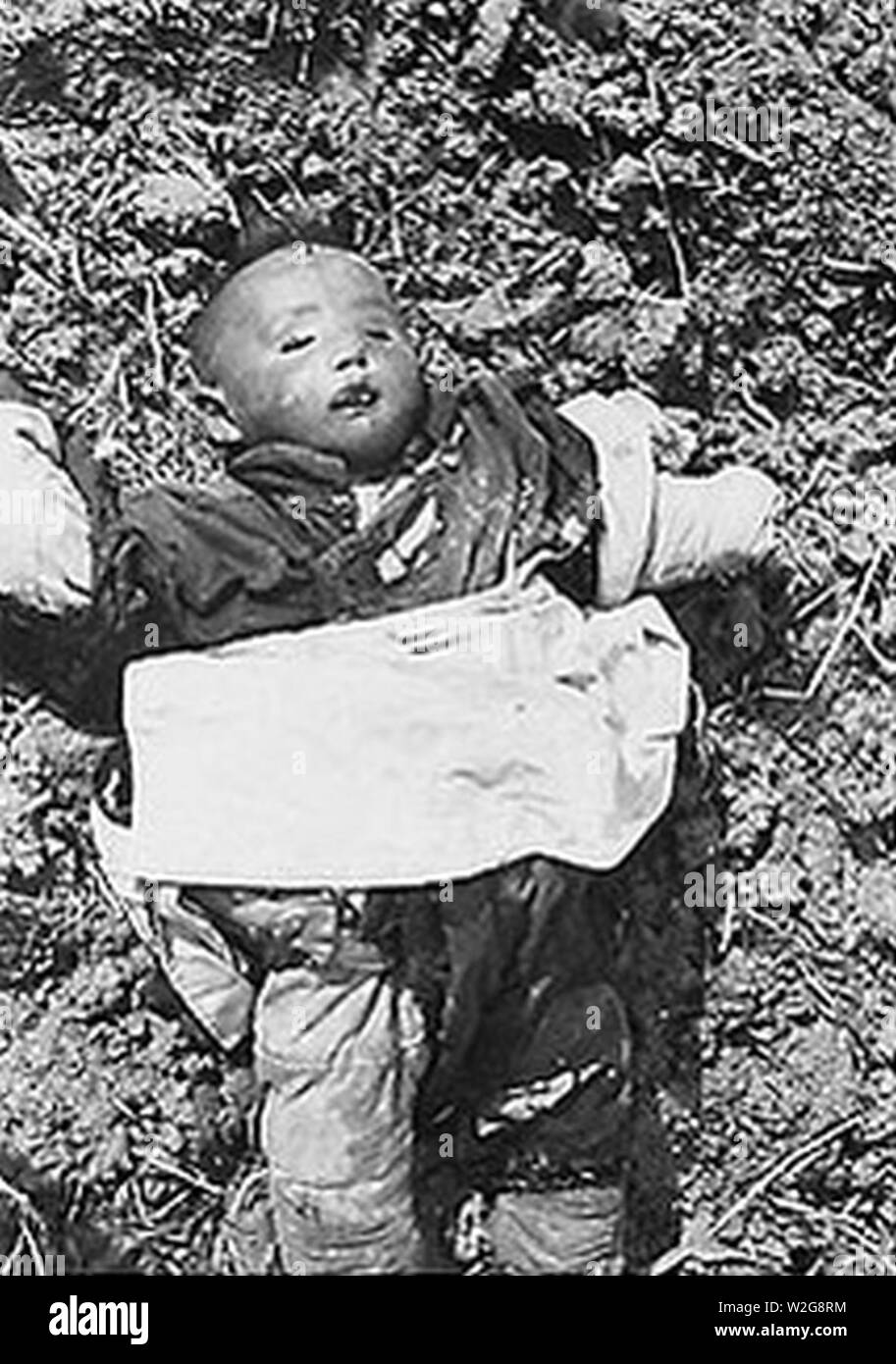
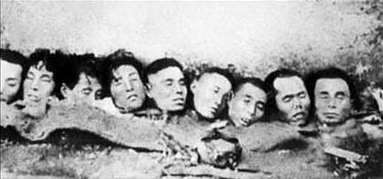
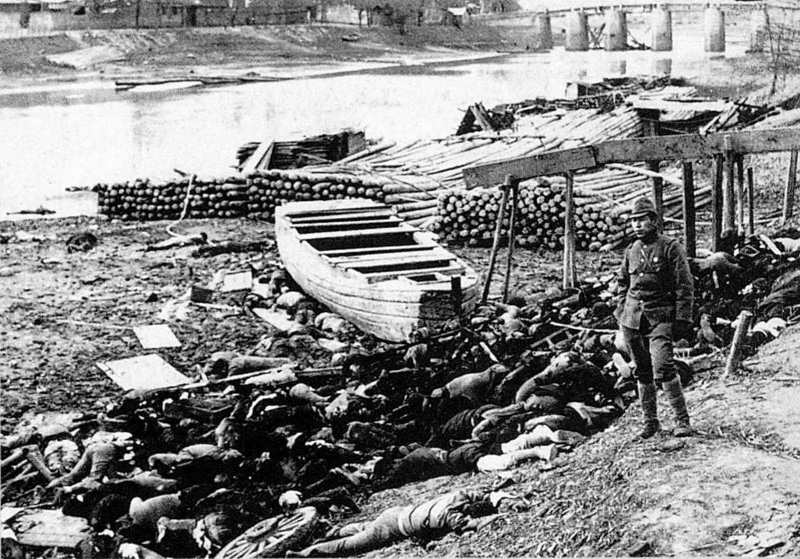
88 Years Ago, The Atrocities Committed by the Japanese Invaders Recorded in DiariesOn December 13, 1937, the Japanese invaders successively occupied major city gates such as Zhongshan Gate, Zhonghua Gate, Guanghua Gate, and Taiping Gate. On that day, Nanjing fell, and 300,000 lives were trampled and killed, forever falling in the Nanjing Massacre that lasted for more than six weeks. Massacre, rape, robbery, and arson occurred... The ancient capital of Nanjing was plunged into a storm of blood and fire. The fear of children, the tears of women, and the despair of the elderly... These has become the most heartbreaking page of this dark history.
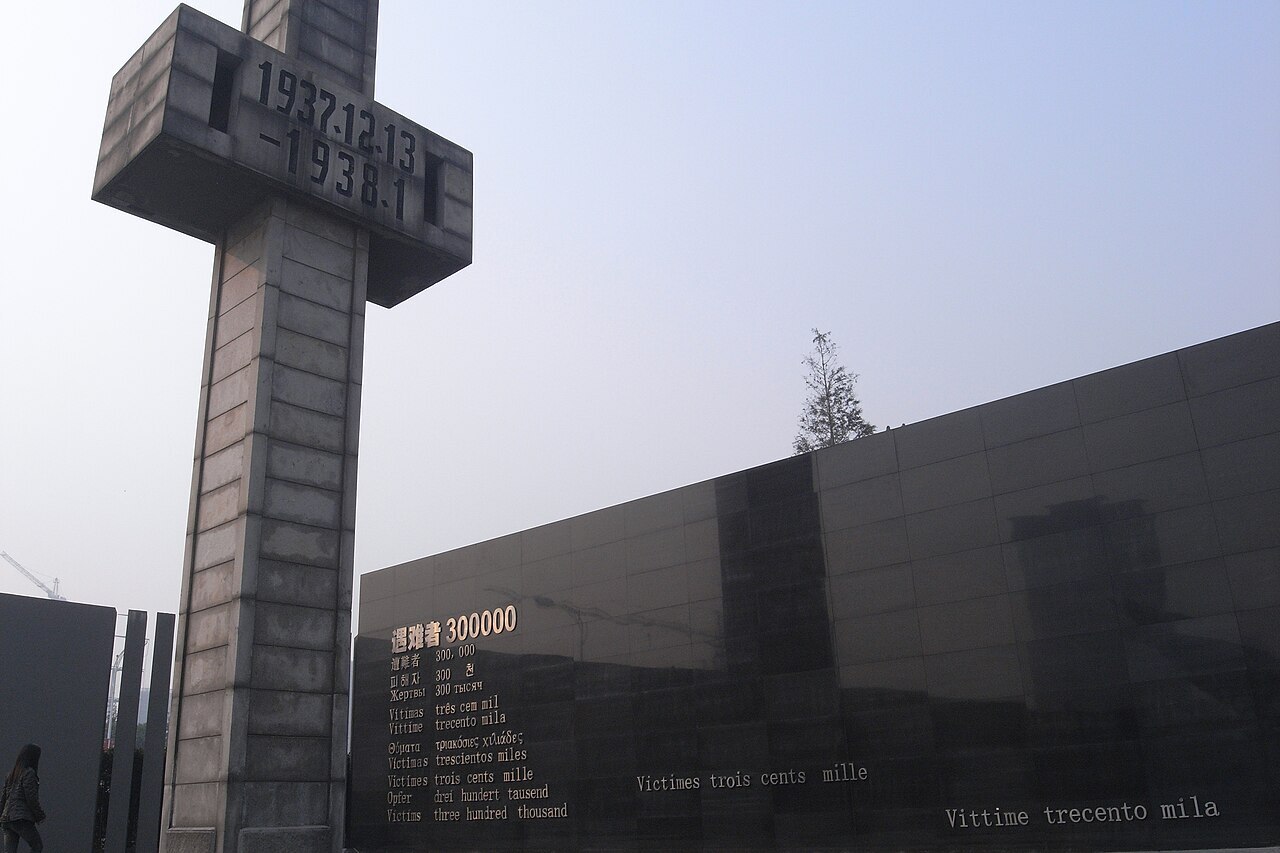
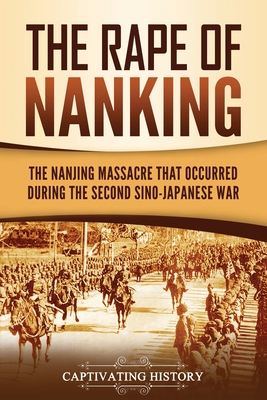
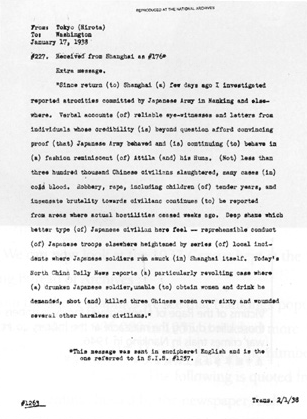
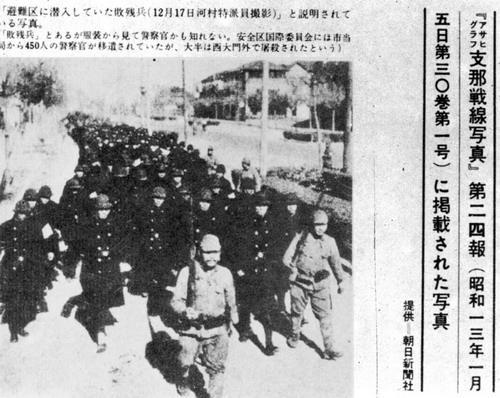
.「300000」受害者的數字刻在侵華日軍南京大屠殺遇難同胞紀念館的牆上。這個數字在中國已經成為侵華日軍對中國人民造成深切苦難的象徵 . 圖為廣田電報。1938年初,日本外相廣田弘毅簽發給日本駐美大使館的密電電文,含有「日軍至少屠殺了30萬中國平民,許多是殘忍方式的殺戮」的內容. .Since return (to) Shanghai (a) few days ago I investigated reported atrocities committed by Japanese Army in Nanking and elsewhere. Verbal accounts (of) reliable eye-witnesses and letters from individuals whose credibility (is) beyond question afford convincing proof (that) Japanese Army behaved and (is) continuing (to) behave in (a) fashion reminiscent (of) Attila (and) his Huns. (Not) less than three hundred thousand Chinese civilians slaughtered, many cases (in) cold blood. Robbery, rape, including children (of) tender years, an insensate brutality towards civilians continues (to) be reported from areas where actual hostilities ceased weeks ago. Deep shame which better type (of) Japanese civilian here feel - reprehensible conduct (of) Japanese troops elsewhere heightened by series (of) local incidents where Japanese soldiers run amock (in) Shanghai itself. Today North China Daily News reports (a) particularly revolting case where (a) drunken Japanese soldier, unable (to) obtain women and drink he demanded, shot (and) killed three Chinese women over sixty and wounded several other harmless civilians." 南京大屠殺(日語:南京大虐殺),日方又稱南京事件)或南京屠殺事件(南京虐殺事件]),是大日本帝國在侵華戰爭初期,攻占中華民國首都南京後實行佔領與掃蕩時,對於日本軍針對南京當地平民與戰俘實施的屠殺、強姦、縱火、搶劫等一系列戰爭罪及反人類罪的統稱。 大屠殺從1937年12月13日攻占南京後開始,並持續6周以上,直至1938年2月。第二次世界大戰結束後遠東國際軍事法庭和南京軍事法庭的調查和判決認為,在大屠殺中有20萬以上至30萬中國平民和戰俘遭到日軍殺害,其中第一個月約2萬中國婦女遭日軍姦殺、南京城三分之一的建築被日軍縱火燒毀.. .The Nanjing Massacre[] or the Rape of Nanjing (formerly romanized as Nanking[c]) was the mass rape and murder of Chinese civilians, noncombatants, and prisoners of war by the Imperial Japanese Army in Nanjing, the capital of the Republic of China. It took place immediately after the Battle of Nanjing and retreat of the National Revolutionary Army during the Second Sino-Japanese War.[7][8][9][10] Many scholars support the validity of the International Military Tribunal for the Far East (IMTFE), which estimated that more than 200,000 people were killed,[ while newer estimates adhere to a death toll between 100,000 and 200,000.[] Other estimates of the death toll vary from a low of 40,000 (confined just to the city itself) to a high of over 340,000 (encompassing the entire Shanghai-Nanjing region), and estimates of rapes range from 4,000 to over 80,000 (with estimates around 20,000 being most common).[] Other crimes included torture, looting, and arson. The massacre is considered one of the worst wartime atrocities in history.[ In addition to civilians, tens of thousands of Chinese POWs and men who looked of military age were indiscriminately murdered. Traditional historiography dates the massacre as unfolding over a period of several weeks beginning on December 13, 1937, following the citys capture, and as being spatially confined to within Nanjing and its immediate vicinity.[] However, the Nanjing Massacre was far from an isolated case, and fit into a pattern of Japanese atrocities along the Lower Yangtze River, with Japanese forces routinely committing massacres since the Battle of Shanghai. Furthermore, Japanese atrocities in the Nanjing area did not end in January 1938, but instead persisted in the region until late March 1938.1] ..
|
|||||||||||||||||
| ( 知識學習|檔案分享 ) |


 .
. .
.



 .
. .
.


 .
. .
. .
. .
. .
.