字體:小 中 大 |
|
|
||||||||||||||||||||||||||||||
| 2026/10/18 20:48:58瀏覽35|回應0|推薦0 | ||||||||||||||||||||||||||||||
|
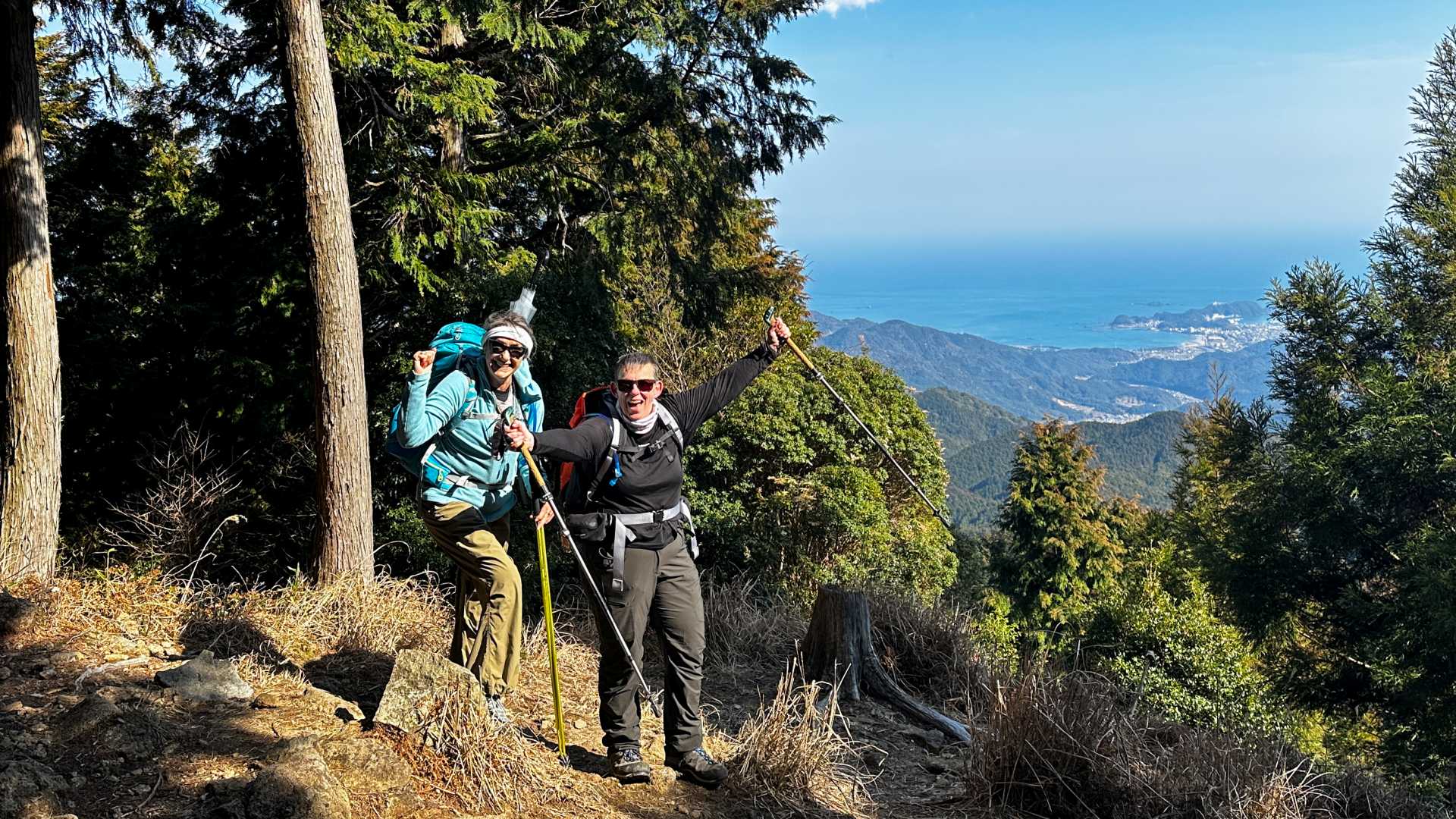
The Kumano Kodo and the Camino de Santiago are the world’s only two UNESCO-listed pilgrimage routes, but they feel completely different. The Camino is a long, social walk across Spain’s open landscapes. The Kumano Kodo is a short, steep trek through Japan’s misty cedar forests. One is communal; the other is quiet and inward. What Is the Kumano Kodo? The Kumano Kodo Japan is an ancient network of pilgrimage trails on Japan’s Kii Peninsula, leading to three sacred Shinto-Buddhist shrines. It is shorter but steeper than the Camino, and it is walked in silence through deep forest rather than across open farmland. What Is the Camino de Santiago? The Camino is a historic Christian pilgrimage to the cathedral of Santiago de Compostela in northwestern Spain, where tradition says the apostle St. James is buried. It has many routes, but the most famous, the Camino Francés, stretches roughly 780 kilometres from France across northern Spain. How Do the Kumano Kodo and Camino de Santiago Compare? The easiest way to see the difference is side by side.
Sources: Distance and terrain comparison; Camino route length; accommodation styles; daily budget range. Why Is the Kumano Kodo Physically Harder Than the Camino? This is the difference that surprises most people. The Kumano Kodo is shorter, but it is a mountain trek. You will climb and descend steep stone staircases, navigate exposed tree roots, and cross slippery moss-covered rocks. A 14-kilometre day on the Kumano Kodo can easily take seven or eight hours with breaks. The Camino is long, but the path is generally wide and gentle. You can walk side by side with other pilgrims and cover 20–25 kilometres in a day without the same technical underfoot demands. The Camino tests your endurance; the Kumano Kodo tests your knees, ankles, and focus. Practical takeaway: Trekking poles are optional on the Camino. On the Kumano Kodo, they are close to essential, especially on descents. Why Is the Atmosphere So Different? The Camino is social; the Kumano Kodo is quiet. On the Camino, you will hear “Buen Camino” dozens of times a day. Cafes appear every few kilometres. Albergues fill with pilgrims from around the world, and communal dinners are part of the rhythm. The trail is busy—over 500,000 people walked the Camino in 2025. The Kumano Kodo is the opposite. You may walk for hours without seeing another person. The forest is silent except for birds and running water. There are no trail-side cafes. You carry your lunch from your guesthouse and eat it on a mossy stone step beside a small shrine. Neither atmosphere is “better.” But if you are choosing between them, this is the factor to weigh most honestly. Do you want company, or do you want solitude? What Is the Dual Pilgrim Program? If you complete both trails, you can register as a Dual Pilgrim. This is an official recognition created in 2015 to honour walkers who have finished one qualifying route on the Camino and one qualifying route on the Kumano Kodo. On the Camino, you need to walk at least the final 100 kilometres on foot. On the Kumano Kodo, you have several options—for example, walking from Takijiri-oji to Kumano Hongu Taisha (about 38 km) or from Kumano Nachi Taisha to Kumano Hongu Taisha (about 30 km). You collect stamps in a Dual Pilgrim Credential, which has one side for each trail. Upon completion, you receive a limited-edition pin badge and can be featured on the official Dual Pilgrim page. What Are the Common Mistakes People Make on Each Trail? Kumano Kodo mistakes
Camino de Santiago mistakes
How Can Beginners Choose Between Them? Use this simple decision guide. Choose the Kumano Kodo if:
Choose the Camino de Santiago if:
If you are unsure: Start with a short Camino route (the Portuguese Way from Porto takes 10–12 days) to test whether long-distance pilgrimage suits you. Then plan the Kumano Kodo as a second, more contemplative journey. What Are the Best Times to Walk Each Trail? Kumano Kodo: Spring (March–May) and autumn (September–November) offer mild temperatures between 10°C and 20°C. Avoid Golden Week (late April–early May) and Obon (mid-August) if you want fewer people. October and late April are the sweet spots. Camino de Santiago: May and September are the classic months—mild weather, long daylight hours, and manageable crowds. July and August are the busiest and hottest. Spring (April–June) and autumn (September–October) are ideal for first-timers. Expert Tips for a Better Experience on Either Trail
Frequently Asked Questions Is the Kumano Kodo harder than the Camino de Santiago? How long does it take to walk the Kumano Kodo? Can you walk the Camino de Santiago in two weeks? Do you need a permit for the Kumano Kodo? What is the Dual Pilgrim certificate? Which trail is cheaper? Can I walk the Kumano Kodo without speaking Japanese? Conclusion The Kumano Kodo and the Camino de Santiago are both ancient, UNESCO-listed pilgrimage routes—but they ask different things of you. The Camino asks for time and endurance. The Kumano Kodo asks for attention and quiet. Choose the Camino for community and a long horizon. Choose the Kumano Kodo for forest silence and steep, sacred ground. And if you are lucky enough to walk both, you will understand why so many pilgrims call the Dual Pilgrimage the journey of a lifetime.
|
||||||||||||||||||||||||||||||
| ( 心情隨筆|男女話題 ) |