字體:小 中 大
 |
|
|
|||||||||||||||
| 2026/07/21 19:55:43瀏覽442|回應0|推薦0 | |||||||||||||||
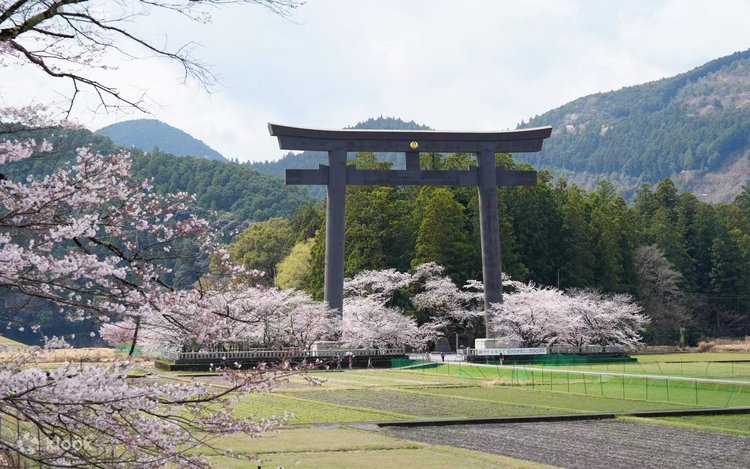
To plan a self-guided Kumano Kodo Trail trek, you need to select a route—ideally the Nakahechi—book your traditional guesthouses (minshuku) months in advance, and utilize Japan’s efficient train and local bus systems to transport yourself and your luggage between trailheads. A successful DIY pilgrimage requires securing regional transit passes, understanding rural bus schedules, and mapping out your daily hiking distances. With a bit of forward planning, navigating this ancient trail independently is entirely manageable for global travelers. What Is the Kumano Kodo Trail? Definition: The Kumano Kodo is a network of ancient pilgrimage trails spanning the mountainous Kii Peninsula of Japan. For over a millennium, emperors, samurai, and modern hikers have walked these sacred paths to reach the Kumano Sanzan—a trio of holy Shinto-Buddhist shrines. Why Is the Kumano Kodo Trail Important? The Kumano Kodo is deeply significant because it is one of only two pilgrimage routes in the world designated as UNESCO World Heritage sites (the other being the Camino de Santiago in Spain). Unlike trails that focus purely on nature, this trek is a spiritual journey. It represents centuries of religious syncretism, where indigenous Shinto nature worship beautifully blended with imported Buddhist traditions. How Does a Self-Guided Kumano Kodo Trek Work? A self-guided trek means you hike without a tour leader, navigating the well-marked trails at your own pace. You will carry a daypack while your main luggage is forwarded ahead, staying in remote village lodges each night. The Standard 4-Day Nakahechi Route Itinerary
What Are the Benefits of a Self-Guided Kumano Kodo Trail Trek?
What Are the Common Mistakes People Make? The most frequent mistake hikers make is underestimating the terrain. The trails feature steep, relentless stone staircases that can be incredibly slick when wet. Another major error is failing to book accommodation early. Because the villages along the trail are tiny, guesthouses routinely fill up six to nine months in advance, leaving late planners with nowhere to sleep. How Can Beginners Get Started? If you are new to multi-day hiking or navigating rural Japan, use this simple checklist to kickstart your planning:
Expert Tips for Better Logistics and Planning To make your trek run as smoothly as possible, keep these logistical secrets in mind: Route Comparison: Nakahechi vs. Kohechi
Real-World Scenario: Navigating a Rainy Day on the Trail Imagine waking up at your guesthouse in Takahara to heavy rain. On a self-guided trek, you hold the power to pivot. Instead of risking a slip on the wet stone paths to Tsugizakura, you can simply walk down to the nearest road, catch the local Ryujin bus directly to your next destination, and spend the afternoon dry and warm inside a hot spring cafe. This flexibility keeps the trip stress-free. Frequently Asked Questions (PAA) Do I need a guide for the Kumano Kodo? No, a guide is not necessary. The Nakahechi route is exceptionally well-marked with numbered signposts every 500 meters, and English maps provided by the local tourism bureau make navigation simple. How do I get to the Kumano Kodo from Osaka? Take the JR Kuroshio Limited Express train from Osaka’s Shin-Osaka or Tennoji Station directly to Kii-Tanabe Station. The journey takes roughly 2 to 2.5 hours and is fully covered by the JR Kansai WIDE Area Pass. Can you do Kumano Kodo as a day trip? Yes. If you are short on time, you can take a bus from Kii-Tanabe to Hosshinmon-oji and enjoy an easy, scenic 7 km walk down to the Kumano Hongu Taisha shrine before returning to the city by bus. What should I pack for a self-guided Kumano Kodo trek? Pack high-quality waterproof rain gear, sturdy hiking boots with good grip, trekking poles to save your knees on downhill slopes, a 20-30L daypack, and a refillable water bottle. Are there places to buy lunch along the trail? Options are very limited deep in the woods. However, almost all minshuku (guesthouses) will pack a fresh, traditional bento lunch box for you each morning if you request it when booking your stay. Conclusion Planning a self-guided Kumano Kodo trek requires upfront logistical work, but the reward is a deeply rewarding, flexible, and authentic journey through Japan's sacred heartland. By booking your accommodation early, utilizing regional bus networks, and leveraging luggage forwarding services, you can focus entirely on the spiritual and physical beauty of the trail. Ready to walk the path of emperors? Head over to the official Kumano Travel registry today and start locking in your mountainside guesthouses before they fill up!
|
|||||||||||||||
| ( 心情隨筆|男女話題 ) |