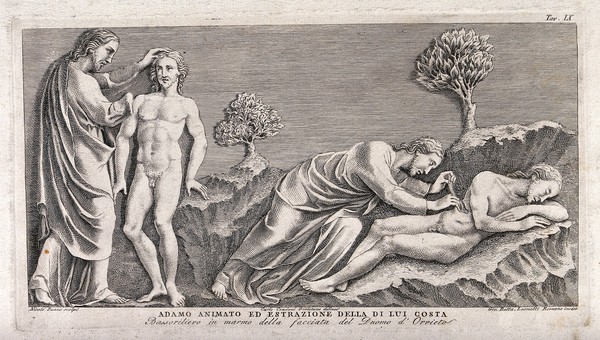
Genre , "kind" or "sort", from Latin genus, Greek is any category of literature, music, or other forms of art or entertainment, whether written or spoken, audio or visual, based on some set of stylistic criteria. Genres form by conventions that change over time as new genres are invented and the use of old ones is discontinued. Often, works fit into multiple genres by way of borrowing and recombining these conventions.Genre began as an absolute classification system for ancient Greek literature. Poetry, prose, and performance each had a specific and calculated style that related to the theme of the story.
Speech patterns for comedy would not be appropriate for tragedy, and even actors were restricted to their genre under the assumption that a type of person could tell one type of story best. In later periods genres proliferated and developed in response to changes in audiences and creators. Genre became a dynamic toolto help the public make sense out of unpredictable art. Because art is often a response to a social state, in that people write/paint/sing/dance about what they know about, the use of genre as a tool must be able to adapt to changing meanings.Genre suffers from the same ills of any classification system. Genre is to be reassessed and scrutinized, and to weigh works on their unique merit. It has been suggested that genres resonate with people because of the familiarity, the shorthand communication, as well as the tendency of genres to shift with public mores and to reflect the zeitgeist. While the genre of storytelling has been relegated as lesser form of art because of the heavily borrowed nature of the conventions, admiration has grown. Proponents argue that the genius of an effective genre piece is in the variation, recombination, and evolution of the codes.
A situation comedy, or sitcom, is a genre of comedy centered on a fixed set of characters who carry over from episode to episode. Sitcoms can be contrasted with sketch comedy where a troupe may use new characters in each sketch, and stand-up comedy where a comedian tells jokes and stories to an audience. Sitcoms originated in radio, but today are found mostly on television as one of its dominant narrative forms. This form can also include mockumentaries.A situation comedy television program may be recorded in front of a studio audience, depending on the program's production format. The effect of a live studio audience can be imitated or enhanced by the use of a laugh track.
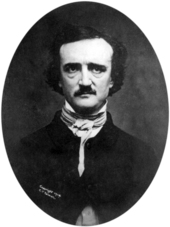
Edgar Allan Poe, was an American writer, editor, and literary critic. Poe is best known for his poetry and short stories, particularly his tales of mystery and the macabre. He is widely regarded as a central figure of Romanticism in the United States and American literature as a whole, and he was one of the country's earliest practitioners of the short story. Poe is generally considered the inventor of the detective fiction genre and is further credited with contributing to the emerging genre of science fiction. He was the firstwell-known American writer to try to earn a living through writing alone, resulting in a financially difficult life and career.


 字體:小 中 大