字體:小 中 大 |
|
|
|
| 2016/12/21 19:23:25瀏覽228|回應0|推薦0 | |
|
西洋文學概論
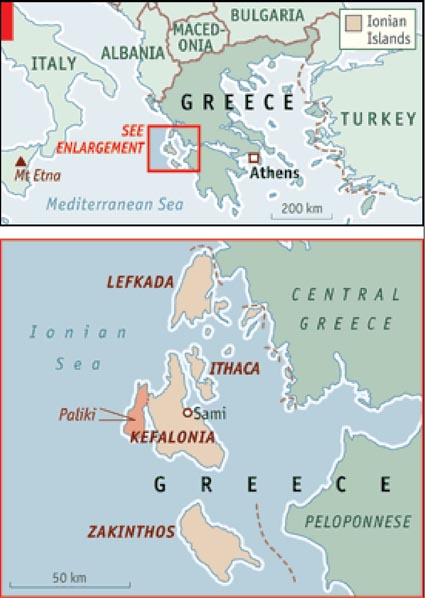
Ithaca was, in Greek mythology, the island home of the hero Odysseus. The specific location of the island, as it was described in Homer's Odyssey, is a matter for debate.The central characters of the epic such as Odysseus, Achilles, Agamemnon and Hector are generally believed to be fictional characters. Yet there are many claims that some Homeric hero long ago had inhabited a particular contemporary region or village. This, and the extremely detailed geographic descriptions in the epic itself, have invited investigation of the possibility that Homer's heroes might have existed and that the location of the sites described therein might be found.Theories on the location of "Homer's 'Ithaca'" were formulated as early as the 2nd century BC to as recently as AD 2003. Each approach to identifying a location has been different, varying in degrees of scientific procedure, empirical investigation, informed hypothesis, wishful thinking, fervent belief, and sheer fantasy. Each investigator and each investigation merits interest, as an indicator both of the temper of the times in which a particular theory was developed, and of the perennial interest in Odysseus and the possible facts of his life. Some of the latest "Homer's 'Ithaca'" approaches resemble some of the earliest.
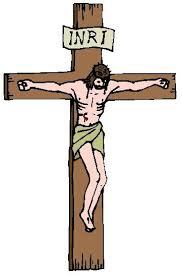
→ Jesus, King of the Jews
The color purple has been associated with royalty, power and wealth for centuries. In fact, Queen Elizabeth I forbad anyone except close members of the royal family to wear it. Purple's elite status stems from the rarity and cost of the dye originally used to produce it.Purple fabric used to be so outrageously expensive that only rulers could afford it. The dye initially used to make purple came from the Phoenician trading city of Tyre, which is now in modern-day Lebanon. Fabric traders obtained the dye from a small mollusk that was only found in the Tyre region of the Mediterranean Sea. |
|
| ( 知識學習|隨堂筆記 ) |