字體:小 中 大
 |
|
|
|
| 2026/03/17 19:23:28瀏覽86|回應0|推薦0 | |
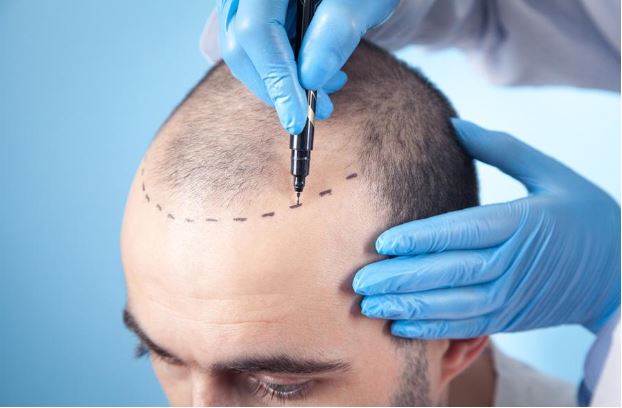
Hair loss can significantly affect a persons confidence, and advances in medical science have made hair restoration procedures more accessible than ever. Among the most common solutions is a hair transplant , a procedure where hair follicles are relocated from one part of the scalp to areas experiencing thinning or baldness. Understanding the recovery process is essential for patients considering this treatment, as it affects not only the procedures success but also overall wellbeing during the healing period.
Understanding Hair Loss and Hair TransplantsHair loss, medically referred to as alopecia , affects millions worldwide. The most common type in adults is androgenetic alopecia , which is genetically influenced and typically follows a pattern of thinning on the crown and frontal hairline. While various treatments—from topical medications like minoxidil to oral finasteride—can slow progression, surgical hair restoration remains the only method for permanent, visible regrowth in advanced cases. Hair transplant procedures involve moving hair follicles from a donor area, usually the back or sides of the head, to balding or thinning regions. Two primary techniques dominate modern practice: Follicular Unit Transplantation (FUT) and Follicular Unit Extraction (FUE) . Each has nuances that influence recovery, scarring, and post-procedure care. Modern Hair Transplant ApproachesFollicular Unit Transplantation (FUT)FUT, often referred to as the strip method, involves removing a strip of scalp from the donor area. Technicians then dissect this strip into individual follicular units to implant into thinning regions. Recovery involves managing the donor site, which typically requires stitches. Patients may experience discomfort, tightness, and scabbing at the extraction site. Healing for FUT can take two to three weeks, though visible signs, like redness or minor swelling, may persist slightly longer. Follicular Unit Extraction (FUE)FUE is less invasive than FUT and involves removing individual hair follicles directly from the scalp. Tiny circular incisions are made for each graft, which results in minimal linear scarring. Recovery is generally faster, with patients often returning to routine activities within a week. However, mild swelling, redness, and small scabs are common in the first few days. Many consider FUE ideal for those wanting a quicker recovery and fewer visible marks. Direct Hair Implantation (DHI)A modern refinement of FUE,: DHI hair transplant London, uses a specialized tool to implant follicles directly into recipient areas without pre-made incisions. While technically more precise and potentially reducing trauma to surrounding tissues, DHI recovery shares similarities with FUE, including localized redness and scabbing. The recovery timeline is typically under two weeks for most daily activities, though full cosmetic results take several months to appear. Patient Considerations Before the ProcedureConsultation and AssessmentBefore any transplant, a comprehensive medical consultation is critical. A dermatologist or trained surgeon will assess hair density, scalp health, and medical history. Conditions like scalp infections, autoimmune disorders, or clotting problems may affect both suitability and recovery. Additionally, patients should discuss realistic expectations and timelines, as hair growth is gradual, and initial shedding of transplanted hairs is common. Lifestyle and MedicationsCertain medications, including blood thinners or immune-suppressing drugs, can influence healing and risk of infection. Patients are usually advised to avoid alcohol, smoking, and strenuous exercise before and after surgery to optimize outcomes. Stress management and nutrition also play a subtle role in recovery, as adequate protein intake and vitamins like biotin and zinc can support hair growth. Recovery and Expectations After a Hair TransplantRecovery after a hair transplant is multifaceted and can be divided into distinct phases: Immediate Post-Operative Phase (First Week)
Short-Term Healing (2–4 Weeks)
Long-Term Recovery (3–12 Months)
Benefits and LimitationsBenefits
Limitations
ConclusionHair transplantation is a medically proven method to restore hair density, offering patients both functional and aesthetic benefits. Recovery is a structured process influenced by the chosen technique, patient health, and adherence to post-operative care. While results are gradual, proper planning, consultation, and realistic expectations can lead to highly satisfying outcomes. Understanding each stage—from immediate healing to long-term growth—empowers patients to navigate the journey safely and confidently. Frequently Asked Questions1. How long does it take for hair to grow after a transplant? New hair usually begins to appear 3–4 months after surgery. Initial growth is fine and sparse but thickens over time, with full results often visible around 9–12 months. 2. Is hair transplant recovery painful? Most patients experience mild discomfort, which is manageable with pain relievers. Swelling and tenderness are common but typically resolve within the first week. 3. Can I wash my hair after a transplant? Gentle washing is usually allowed after 48 hours, with instructions to avoid rubbing grafts. Specialized shampoos may be recommended for the first week. 4. Will the transplanted hair fall out? Temporary shedding occurs in the first 2–3 weeks, a normal part of the healing process. Follicles remain intact, and new hair regrowth follows. 5. Are there risks of scarring? FUT can leave a linear scar, while FUE and DHI usually result in tiny, less noticeable punctate scars. Skilled techniques minimize visible scarring. |
|
| ( 心情隨筆|心情日記 ) |