字體:小 中 大 |
|
|
|
| 2017/01/02 01:35:14瀏覽224|回應0|推薦0 | |
|
ETYMOLOGY
HORRIBLE HISTORIES - The Wives of Henry VIII (Terrible Tudors) from Tyler Daughtry on Vimeo.
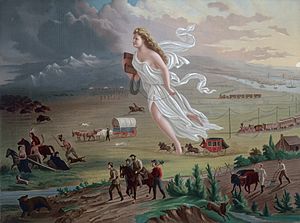
In the 19th century, manifest destiny was a widely held belief in the United States that its settlers were destined to expand across North America. There are three basic themes to manifest destiny: · The special virtues of the American people and their institutions · The mission of the United States to redeem and remake the west in the image of agrarian America · An irresistible destiny to accomplish this essential duty
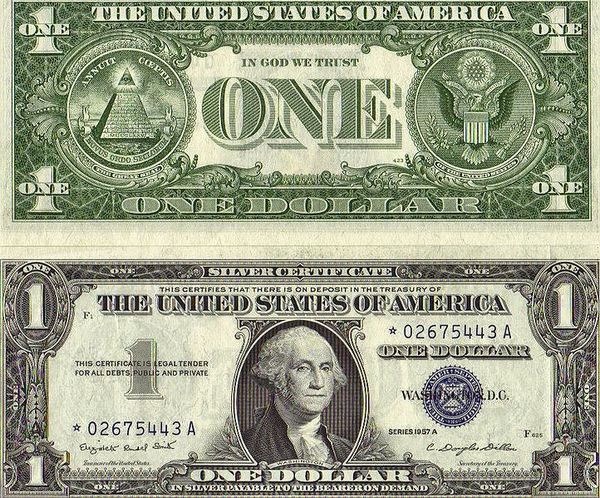
"In God We Trust" is the official motto of the United States. It was adopted as the nation's motto in 1956 as an alternative or replacement to the unofficial motto of E pluribus unum, which was adopted when the Great Seal of the United States was created and adopted in 1782. "In God We Trust" first appeared on U.S. coins in 1864 and has appeared on paper currency since 1957. A law passed in a Joint Resolution by the 84th Congress (P.L. 84-140) and approved by President Dwight Eisenhower on July 30, 1956 declared IN GOD WE TRUST must appear on currency. This phrase was first used on paper money in 1957, when it appeared on the one-dollar silver certificate. The first paper currency bearing the phrase entered circulation on October 1, 1957. Some groups and people have expressed objections to its use, claiming it is a religious reference that should be removed from the currency, claiming that it violates the Establishment Clause from the First Amendment.
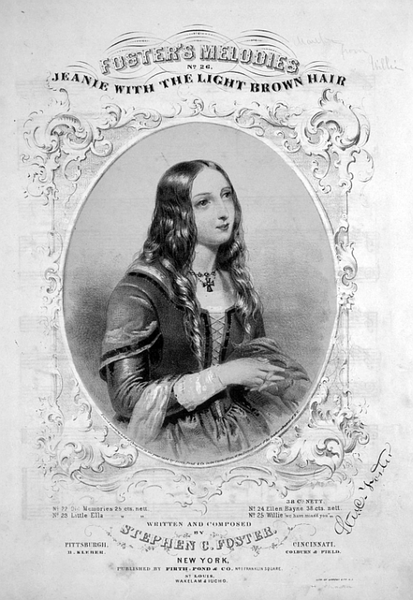
>> Brown like a vapor on the summer air
e-:out example : exile/evacuate/ vac- example: vacuum cleaner / e vapor
benevolent adjective / kind and helpful
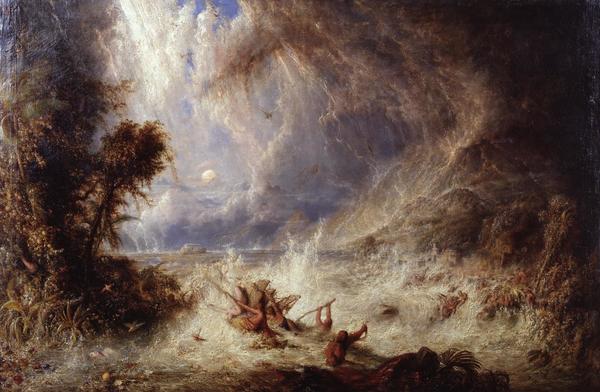
pariah noun / a person who is not accepted by a social group, especially because he or she is not liked, respected, or trusted guise noun / the appearance of someone or something, especially when intended to deceive iniquity noun / a very wrong and unfair action or situation ameliorate verb / to make a bad or unpleasant situation better deluge noun / a very large amount of rain or water
>> a deluge of sth : a lot of something carnage noun / the violent killing of large numbers of people, especially in war excoriate verb / to write or say that a play, book, political action, etc. is very bad nullify verb / to make a legal agreement or decision have no legal force |
|
| ( 知識學習|隨堂筆記 ) |