字體:小 中 大 |
|
|
|
| 2016/06/21 15:48:16瀏覽100|回應0|推薦0 | |
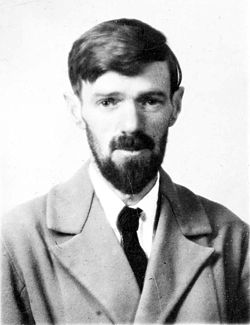
David Herbert Richards Lawrence (11 September 1885 – 2 March 1930) was an English novelist, poet, playwright, essayist, literary critic and painter who published as D. H. Lawrence. His collected works, among other things, represent an extended reflection upon the dehumanising effects of modernity and industrialisation. In them, some of the issues Lawrence explores are emotional health, vitality, spontaneity and instinct. Lawrence's opinions earned him many enemies and he endured official persecution, censorship, and misrepresentation of his creative work throughout the second half of his life, much of which he spent in a voluntary exile which he called his "savage pilgrimage". At the time of his death, his public reputation was that of a pornographer who had wasted his considerable talents. E. M. Forster, in an obituary notice, challenged this widely held view, describing him as, "The greatest imaginative novelist of our generation." Later, the influential Cambridge critic F. R. Leavis championed both his artistic integrity and his moral seriousness, placing much of Lawrence's fiction within the canonical "great tradition" of the English novel. Written works 1.Novels2.Short stories3.poetry4.Literary criticism---------------------------------- PIANOBy D.H. LawrenceSoftly, in the dusk, a woman is singing to me; In spite of myself, the insidious mastery of song So now it is vain for the singer to burst into clamour 1918 |
|
| ( 知識學習|隨堂筆記 ) |