


GuangXin Industrial Co., Ltd. is a specialized manufacturer dedicated to the development and production of high-quality insoles.
With a strong foundation in material science and footwear ergonomics, we serve as a trusted partner for global brands seeking reliable insole solutions that combine comfort, functionality, and design.
With years of experience in insole production and OEM/ODM services, GuangXin has successfully supported a wide range of clients across various industries—including sportswear, health & wellness, orthopedic care, and daily footwear.
From initial prototyping to mass production, we provide comprehensive support tailored to each client’s market and application needs.
At GuangXin, we are committed to quality, innovation, and sustainable development. Every insole we produce reflects our dedication to precision craftsmanship, forward-thinking design, and ESG-driven practices.
By integrating eco-friendly materials, clean production processes, and responsible sourcing, we help our partners meet both market demand and environmental goals.
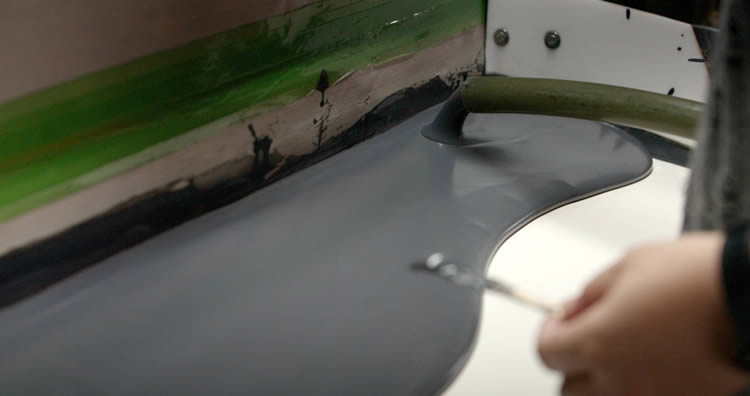
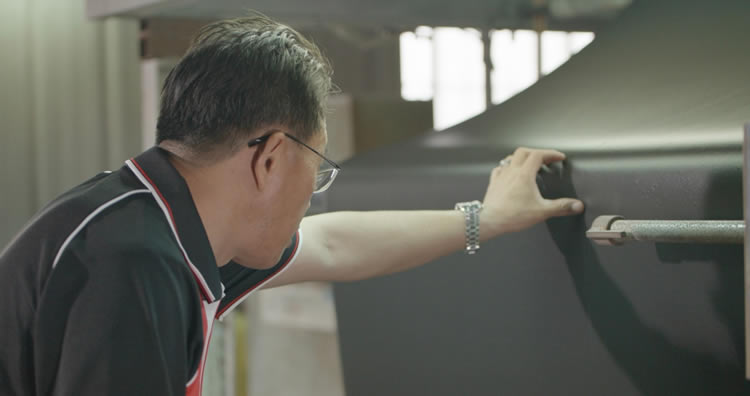
At GuangXin Industrial, our core strength lies in our deep expertise and versatility in insole and pillow manufacturing. We specialize in working with a wide range of materials, including PU (polyurethane), natural latex, and advanced graphene composites, to develop insoles and pillows that meet diverse performance, comfort, and health-support needs.
Whether it's cushioning, support, breathability, or antibacterial function, we tailor material selection to the exact requirements of each project-whether for foot wellness or ergonomic sleep products.
We provide end-to-end manufacturing capabilities under one roof—covering every stage from material sourcing and foaming, to precision molding, lamination, cutting, sewing, and strict quality control. This full-process control not only ensures product consistency and durability, but also allows for faster lead times and better customization flexibility.
With our flexible production capacity, we accommodate both small batch custom orders and high-volume mass production with equal efficiency. Whether you're a startup launching your first insole or pillow line, or a global brand scaling up to meet market demand, GuangXin is equipped to deliver reliable OEM/ODM solutions that grow with your business.
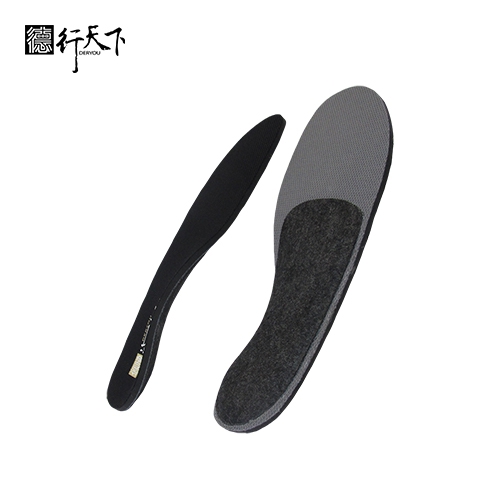
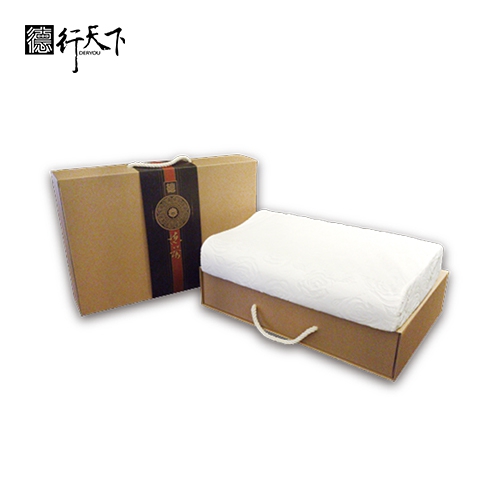
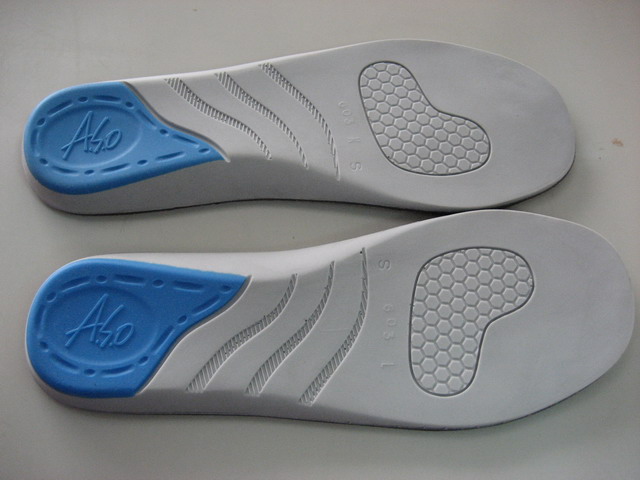
GuangXin offers exceptional flexibility in customization and OEM/ODM services, empowering our partners to create insole products that truly align with their brand identity and target market. We develop insoles tailored to specific foot shapes, end-user needs, and regional market preferences, ensuring optimal fit and functionality.
Our team supports comprehensive branding solutions, including logo printing, custom packaging, and product integration support for marketing campaigns. Whether you're launching a new product line or upgrading an existing one, we help your vision come to life with attention to detail and consistent brand presentation.
With fast prototyping services and efficient lead times, GuangXin helps reduce your time-to-market and respond quickly to evolving trends or seasonal demands. From concept to final production, we offer agile support that keeps you ahead of the competition.
Quality is at the heart of everything we do. GuangXin implements a rigorous quality control system at every stage of production—ensuring that each insole meets the highest standards of consistency, comfort, and durability.
We provide a variety of in-house and third-party testing options, including antibacterial performance, odor control, durability testing, and eco-safety verification, to meet the specific needs of our clients and markets.
Our products are fully compliant with international safety and environmental standards, such as REACH, RoHS, and other applicable export regulations. This ensures seamless entry into global markets while supporting your ESG and product safety commitments.
At GuangXin Industrial, we are committed to integrating ESG (Environmental, Social, and Governance) values into every step of our manufacturing process. We actively pursue eco-conscious practices by utilizing eco-friendly materials and adopting low-carbon production methods to reduce environmental impact.
To support circular economy goals, we offer recycled and upcycled material options, including innovative applications such as recycled glass and repurposed LCD panel glass. These materials are processed using advanced techniques to retain performance while reducing waste—contributing to a more sustainable supply chain.
We also work closely with our partners to support their ESG compliance and sustainability reporting needs, providing documentation, traceability, and material data upon request. Whether you're aiming to meet corporate sustainability targets or align with global green regulations, GuangXin is your trusted manufacturing ally in building a better, greener future.
Looking for a reliable insole manufacturing partner that understands customization, quality, and flexibility? GuangXin Industrial Co., Ltd. specializes in high-performance insole production, offering tailored solutions for brands across the globe. Whether you're launching a new insole collection or expanding your existing product line, we provide OEM/ODM services built around your unique design and performance goals.
From small-batch custom orders to full-scale mass production, our flexible insole manufacturing capabilities adapt to your business needs. With expertise in PU, latex, and graphene insole materials, we turn ideas into functional, comfortable, and market-ready insoles that deliver value.
Contact us today to discuss your next insole project. Let GuangXin help you create custom insoles that stand out, perform better, and reflect your brand’s commitment to comfort, quality, and sustainability.
🔗 Learn more or get in touch:
🌐 Website: https://www.deryou-tw.com/
📧 Email: shela.a9119@msa.hinet.net
📘 Facebook: facebook.com/deryou.tw
📷 Instagram: instagram.com/deryou.tw
Pillow OEM for wellness brands Indonesia
Are you looking for a trusted and experienced manufacturing partner that can bring your comfort-focused product ideas to life? GuangXin Industrial Co., Ltd. is your ideal OEM/ODM supplier, specializing in insole production, pillow manufacturing, and advanced graphene product design.
With decades of experience in insole OEM/ODM, we provide full-service manufacturing—from PU and latex to cutting-edge graphene-infused insoles—customized to meet your performance, support, and breathability requirements. Our production process is vertically integrated, covering everything from material sourcing and foaming to molding, cutting, and strict quality control.ODM pillow production factory in Taiwan
Beyond insoles, GuangXin also offers pillow OEM/ODM services with a focus on ergonomic comfort and functional innovation. Whether you need memory foam, latex, or smart material integration for neck and sleep support, we deliver tailor-made solutions that reflect your brand’s values.
We are especially proud to lead the way in ESG-driven insole development. Through the use of recycled materials—such as repurposed LCD glass—and low-carbon production processes, we help our partners meet sustainability goals without compromising product quality. Our ESG insole solutions are designed not only for comfort but also for compliance with global environmental standards.Graphene-infused pillow ODM Indonesia
At GuangXin, we don’t just manufacture products—we create long-term value for your brand. Whether you're developing your first product line or scaling up globally, our flexible production capabilities and collaborative approach will help you go further, faster.Taiwan graphene material ODM factory
📩 Contact us today to learn how our insole OEM, pillow ODM, and graphene product design services can elevate your product offering—while aligning with the sustainability expectations of modern consumers.PU insole OEM production in Indonesia
The scientific study used satellite transmitters, population counts, and DNA analyses of tissue samples to describe the special Kangia ringed seal in Ilulissat Icefjord. Here, a seal has just had a satellite transmitter mounted on its back. Credit: Pinngortitaleriffik – Greenland Nature Institute Local hunters in the Icefjord near Ilulissat are familiar with a special variety of ringed seal known as the Kangia seal. Distinct in size and appearance, the Kangia seal is considerably larger and boasts a notably different fur color and pattern compared to the common Arctic ringed seals. Recent scientific research has revealed that this distinctive seal has been genetically isolated from its Arctic counterparts for a long period of time – more than 100,000 years. Exploring the Arctic’s natural wonders can be difficult. The extreme weather and vast distances often hinder researchers in their quest to uncover nature’s mysteries. However, a research project, led by Greenlandic and Danish researchers, has now succeeded in describing a new type of ringed seal that lives in the Icefjord near Ilulissat in West Greenland; a unique natural area on the UNESCO World Heritage List. The results have recently been published in the renowned scientific journal Molecular Ecology. The Kangia ringed seal is larger than the typical Arctic ringed seal and its fur color is different with more distinctive patterns. Credit: Pinngortitaleriffik – Greenland Nature Institute A small population Over a number of years, the researchers together with local hunters captured seals in nets and mounted a small satellite transmitter on the seals’ backs. When the seals were up for air, the satellite transmitter sent a message about their location. ”We could see that the Kangia seals primarily stay inside the Icefjord. We were able to count the seals from a plane and therefore able to estimate that there are only approx. 3,000 of these special Kangia ringed seals,” says Aqqalu Rosing-Asvid, Senior Researcher at the Pinngortitaleriffik – Greenland Institute of Nature, and one of the researchers behind the study. Fur color and patterns of the Kangia ringed seal (left) and a typical Arctic ringed seal (right). Credit: Pinngortitaleriffik – Greenland Nature Institute The small resident population is highly unusual compared to the typical Arctic ringed seal, which has an enormous population size and often travels thousands of kilometers around the Arctic in search of food. Isolated for thousands of years The researchers also took small tissue samples from the captured seals. The samples were sent for genetic analyses to uncover the seals’ DNA profile, and the results revealed that the Kangia ringed seals are genetically different from the typical Arctic ringed seals. The Kangia ringed seal lives in the Ilulissat Icefjord, which is on the UNESCO World Heritage List because of its magnificent and unique nature. Credit: Pinngortitaleriffik – Greenland Nature Institute But where and how the Kangia ringed seal was isolated from the other Arctic ringed seals and why it acquired its new special biological characteristics is still a mystery. Perhaps also special seals in other Arctic fjords The study emphasizes that there is still much we do not know about the diversity of organisms in the Arctic and thus their possibilities to adapt to climate change and human activities. “There are many other fjords in the Arctic that have not yet been studied in detail, and where the ringed seals may also have locally developed new genetic variants,” points out Rune Dietz, Professor at the Department of Ecoscience at Aarhus University, who also participated in the study. Reference: “An evolutionarily distinct ringed seal in the Ilulissat Icefjord” by Aqqalu Rosing-Asvid, Ari Löytynoja, Paolo Momigliano, Rikke Guldborg Hansen, Camilla Hjorth Scharff-Olsen, Mia Valtonen, Juhana Kammonen, Rune Dietz, Frank Farsø Rigét, Steve H. Ferguson, Christian Lydersen, Kit M. Kovacs, David M. Holland, Jukka Jernvall, Petri Auvinen and Morten Tange Olsen, 19 October 2023, Molecular Ecology. DOI: 10.1111/mec.17163
A groundbreaking study reveals that a simple creature from 700 million years ago, the ancestor to all bilaterians, established a body plan and genetic legacy that has significantly influenced the evolutionary trajectory of complex animals through the specialized adaptation of ancient genes. The image above depicts a mayfly, one of the 20 species studied in the paper. Credit: Isabel Almudi Gene duplication events hundreds of millions of years ago contributed to evolutionary innovations such as insect flight, octopus camouflage, and human cognition. 700 million years ago, a remarkable creature emerged for the first time. Though it may not have been much to look at by today’s standards, the animal had a front and a back, a top and a bottom. This was a groundbreaking adaptation at the time, and one which laid down the basic body plan which most complex animals, including humans, would eventually inherit. The inconspicuous animal resided in the ancient seas of Earth, likely crawling along the seafloor. This was the last common ancestor of bilaterians, a vast supergroup of animals including vertebrates (fish, amphibians, reptiles, birds, and mammals), and invertebrates (insects, arthropods, mollusks, worms, echinoderms, and many more). To this day, more than 7,000 groups of genes can be traced back to the last common ancestor of bilaterians, according to a study of 20 different bilaterian species including humans, sharks, mayflies, centipedes, and octopuses. The findings were made by researchers at the Centre for Genomic Regulation (CRG) in Barcelona and were recently published in the journal Nature Ecology and Evolution. Gene Evolution and Specialization Remarkably, the study found that around half of these ancestral genes have since been repurposed by animals for use in specific parts of the body, particularly in the brain and reproductive tissues. The findings are surprising because ancient, conserved genes usually have fundamental, important jobs that are needed in many parts of the body. When the researchers took a closer look, they found a series of serendipitous ‘copy-paste’ errors during bilaterian evolution were to blame. For example, there was a significant moment early in the history of vertebrates. A bunch of tissue-specific genes first appeared coinciding with two whole genome duplication events. Animals could keep one copy for fundamental functions, while the second copy could be used as raw material for evolutionary innovation. Events like these, at varying degrees of scale, occurred constantly throughout the bilaterian evolutionary tree. “Our genes are like a vast library of recipes that can be cooked up differently to create or change tissues and organs. Imagine you end up with two copies of a recipe for paella by accident. You can keep and enjoy the original recipe while evolution tweaks the extra copy so that it makes risotto instead. Now imagine the entire recipe book is copied – twice – and the possibilities it opens for evolution. The legacy of these events, which took place hundreds of millions of years ago, lives on in most complex animals today,” explains Federica Mantica, author of the paper and researcher at the Centre for Genomic Regulation (CRG) in Barcelona. Specialized Gene Functions Across Species The authors of the study found many examples of new, tissue-specific functions made possible by the specialization of these ancestral genes. For example, the TESMIN and tomb genes, which originated from the same ancestor, ended up independently playing a specialized role in the testis both in vertebrates and insects. Their importance is highlighted by the fact that problems with these genes can disrupt sperm production, affecting fertility in both mice and fruit flies. The specialization of ancestral genes also laid some foundations for the development of complex nervous systems. For example, in vertebrates, the researchers found genes critical for the formation of myelin sheaths around nerve cells, which are essential for fast nerve signal transmission. In humans, they also identified FGF17, which is thought to play an important role in maintaining cognitive functions into old age. In insects, specific genes became specialized in muscles and in the epidermis for cuticle formation, contributing to their ability to fly. In the skin of octopuses, other genes became specialized to perceive light stimuli, contributing to their ability to change color, camouflage, and communicate with other octopuses. By studying the evolution of species at the tissue level, the study demonstrates that changes in the way genes are used in different parts of the body have played a big role in creating new and unique features in animals. In other words, when genes start acting in specific tissues, it can lead to the development of new physical traits or abilities, which ultimately contributes to animal evolution. “Our work makes us rethink the roles and functions that genes play. It shows us that genes that are crucial for survival and have been preserved through millions of years can also very easily acquire new functions in evolution. It reflects evolution’s balancing act between preserving vital roles and exploring new paths,” concludes ICREA Research Professor Manuel Irimia, co-author of the paper and researcher at the Centre for Genomic Regulation. Reference: “Evolution of tissue-specific expression of ancestral genes across vertebrates and insects” by Federica Mantica, Luis P. Iñiguez, Yamile Marquez, Jon Permanyer, Antonio Torres-Mendez, Josefa Cruz, Xavier Franch-Marro, Frank Tulenko, Demian Burguera, Stephanie Bertrand, Toby Doyle, Marcela Nouzova, Peter D. Currie, Fernando G. Noriega, Hector Escriva, Maria Ina Arnone, Caroline B. Albertin, Karl R. Wotton, Isabel Almudi, David Martin and Manuel Irimia, 15 April 2024, Nature Ecology & Evolution. DOI: 10.1038/s41559-024-02398-5
The study examined plankton in freshwater ponds exposed to seven years of experimental warming. Credit: University of Exeter Rising temperatures could reduce the efficiency of food chains and threaten the survival of larger animals, new research shows. Scientists measured the transfer of energy from single-celled algae (phytoplankton) to small animals that eat them (zooplankton). The study — by the University of Exeter and Queen Mary University of London, and published in the journal Nature — found that 4°C (7.2°F) of warming reduced energy transfer in the plankton food webs by up to 56%. Warmer conditions increase the metabolic cost of growth, leading to less efficient energy flow through the food chain and ultimately to a reduction in overall biomass. Underappreciated Impact of Global Warming “These findings shine a light on an under-appreciated consequence of global warming,” said Professor Gabriel Yvon-Durocher, of the Environment and Sustainability Institute on Exeter’s Penryn Campus in Cornwall. “Phytoplankton and zooplankton are the foundation of food webs that support freshwater and marine ecosystems that humans depend on. “Our study is the first direct evidence that the cost of growth increases in higher temperatures, limiting the transfer of energy up a food chain.” Professor Mark Trimmer, of Queen Mary University of London, said: “If the effects we find in this experiment are evident in natural ecosystems, the consequences could be profound. “The impact on larger animals at the top of food chains — which depend on energy passed up from lower down the food chain — could be severe. More research is needed.” “In general, about 10% of energy produced on one level of a food web makes it up to the next level,” said Dr. Diego Barneche, of the Australian Institute of Marine Science and the Oceans Institute at the University of Western Australia. “This happens because organisms expend a lot of energy on a variety of functions over a lifetime, and only a small fraction of the energy they consume is retained in biomass that ends up being eaten by predators. Warming Distorts Metabolism and Growth Balance “Warmer temperatures can cause metabolic rates to accelerate faster than growth rates, which reduces the energy available to predators in the next level up the food web.” The study measured nitrogen transfer efficiency (a proxy for overall energy transfer) in freshwater plankton that had been exposed to a seven-year-long outdoor warming experiment in the UK. Reference: “Warming impairs trophic transfer efficiency in a long-term field experiment” by Diego R. Barneche, Chris J. Hulatt, Matteo Dossena, Daniel Padfield, Guy Woodward, Mark Trimmer and Gabriel Yvon-Durocher, 1 March 2021, Nature. DOI: 10.1038/s41586-021-03352-2 Funding came from the AXA Research Fund, the Natural Environment Research Council and the European Research Council.
DVDV1551RTWW78V
ODM service for ergonomic pillows Thailand 》preferred by clients worldwide for fast turnaround and precisionPillow ODM design company in Vietnam 》the ideal partner for high-performance, eco-friendly product linesOrthopedic pillow OEM solutions Indonesia 》manufacturing with a focus on sustainability and comfort
