字體:小 中 大
 |
|
|
|
| 2025/04/23 01:00:16瀏覽19|回應0|推薦0 | |
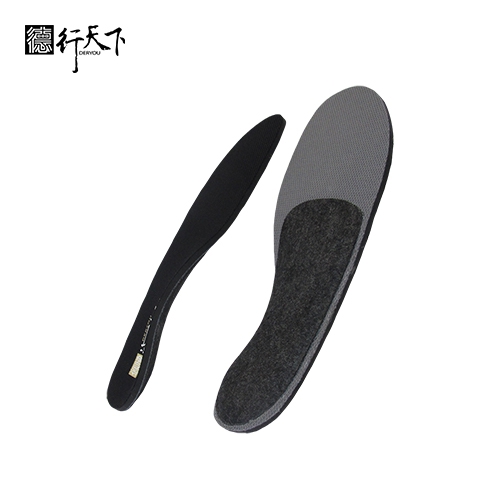
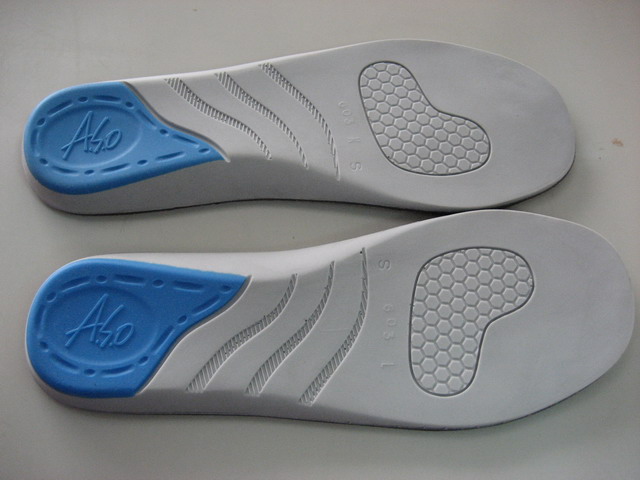
Introduction – Company BackgroundGuangXin Industrial Co., Ltd. is a specialized manufacturer dedicated to the development and production of high-quality insoles. With a strong foundation in material science and footwear ergonomics, we serve as a trusted partner for global brands seeking reliable insole solutions that combine comfort, functionality, and design. With years of experience in insole production and OEM/ODM services, GuangXin has successfully supported a wide range of clients across various industries—including sportswear, health & wellness, orthopedic care, and daily footwear. From initial prototyping to mass production, we provide comprehensive support tailored to each client’s market and application needs. At GuangXin, we are committed to quality, innovation, and sustainable development. Every insole we produce reflects our dedication to precision craftsmanship, forward-thinking design, and ESG-driven practices. By integrating eco-friendly materials, clean production processes, and responsible sourcing, we help our partners meet both market demand and environmental goals.
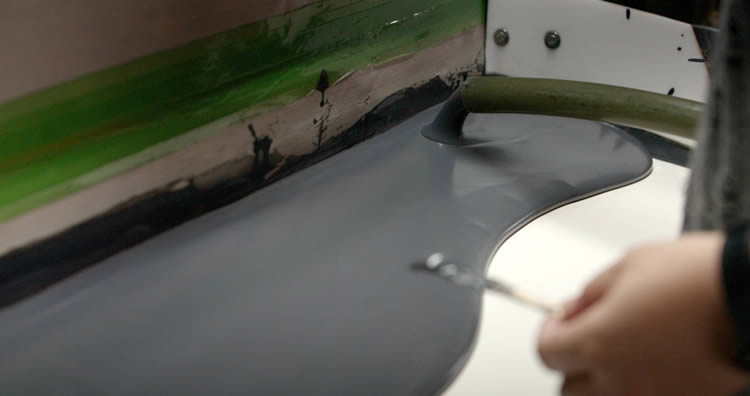
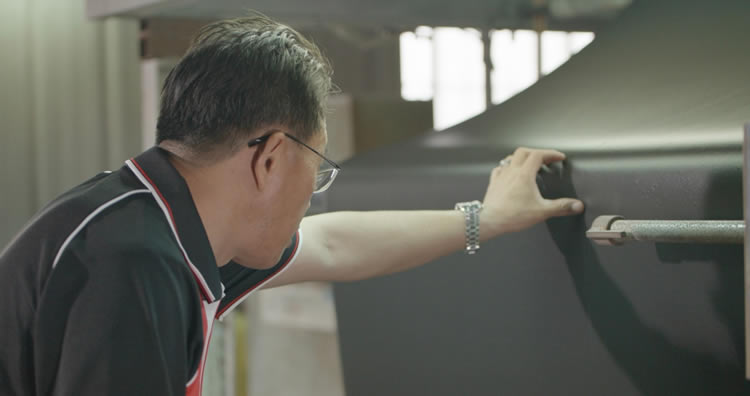
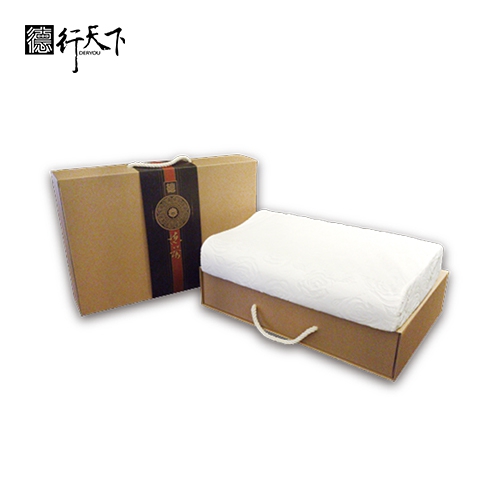
Core Strengths in Insole ManufacturingAt GuangXin Industrial, our core strength lies in our deep expertise and versatility in insole and pillow manufacturing. We specialize in working with a wide range of materials, including PU (polyurethane), natural latex, and advanced graphene composites, to develop insoles and pillows that meet diverse performance, comfort, and health-support needs. Whether it's cushioning, support, breathability, or antibacterial function, we tailor material selection to the exact requirements of each project-whether for foot wellness or ergonomic sleep products. We provide end-to-end manufacturing capabilities under one roof—covering every stage from material sourcing and foaming, to precision molding, lamination, cutting, sewing, and strict quality control. This full-process control not only ensures product consistency and durability, but also allows for faster lead times and better customization flexibility. With our flexible production capacity, we accommodate both small batch custom orders and high-volume mass production with equal efficiency. Whether you're a startup launching your first insole or pillow line, or a global brand scaling up to meet market demand, GuangXin is equipped to deliver reliable OEM/ODM solutions that grow with your business.
Customization & OEM/ODM FlexibilityGuangXin offers exceptional flexibility in customization and OEM/ODM services, empowering our partners to create insole products that truly align with their brand identity and target market. We develop insoles tailored to specific foot shapes, end-user needs, and regional market preferences, ensuring optimal fit and functionality. Our team supports comprehensive branding solutions, including logo printing, custom packaging, and product integration support for marketing campaigns. Whether you're launching a new product line or upgrading an existing one, we help your vision come to life with attention to detail and consistent brand presentation. With fast prototyping services and efficient lead times, GuangXin helps reduce your time-to-market and respond quickly to evolving trends or seasonal demands. From concept to final production, we offer agile support that keeps you ahead of the competition. Quality Assurance & CertificationsQuality is at the heart of everything we do. GuangXin implements a rigorous quality control system at every stage of production—ensuring that each insole meets the highest standards of consistency, comfort, and durability. We provide a variety of in-house and third-party testing options, including antibacterial performance, odor control, durability testing, and eco-safety verification, to meet the specific needs of our clients and markets. Our products are fully compliant with international safety and environmental standards, such as REACH, RoHS, and other applicable export regulations. This ensures seamless entry into global markets while supporting your ESG and product safety commitments. ESG-Oriented Sustainable ProductionAt GuangXin Industrial, we are committed to integrating ESG (Environmental, Social, and Governance) values into every step of our manufacturing process. We actively pursue eco-conscious practices by utilizing eco-friendly materials and adopting low-carbon production methods to reduce environmental impact. To support circular economy goals, we offer recycled and upcycled material options, including innovative applications such as recycled glass and repurposed LCD panel glass. These materials are processed using advanced techniques to retain performance while reducing waste—contributing to a more sustainable supply chain. We also work closely with our partners to support their ESG compliance and sustainability reporting needs, providing documentation, traceability, and material data upon request. Whether you're aiming to meet corporate sustainability targets or align with global green regulations, GuangXin is your trusted manufacturing ally in building a better, greener future. Let’s Build Your Next Insole Success TogetherLooking for a reliable insole manufacturing partner that understands customization, quality, and flexibility? GuangXin Industrial Co., Ltd. specializes in high-performance insole production, offering tailored solutions for brands across the globe. Whether you're launching a new insole collection or expanding your existing product line, we provide OEM/ODM services built around your unique design and performance goals. From small-batch custom orders to full-scale mass production, our flexible insole manufacturing capabilities adapt to your business needs. With expertise in PU, latex, and graphene insole materials, we turn ideas into functional, comfortable, and market-ready insoles that deliver value. Contact us today to discuss your next insole project. Let GuangXin help you create custom insoles that stand out, perform better, and reflect your brand’s commitment to comfort, quality, and sustainability. 🔗 Learn more or get in touch: Innovative pillow ODM solution in Taiwan Are you looking for a trusted and experienced manufacturing partner that can bring your comfort-focused product ideas to life? GuangXin Industrial Co., Ltd. is your ideal OEM/ODM supplier, specializing in insole production, pillow manufacturing, and advanced graphene product design. With decades of experience in insole OEM/ODM, we provide full-service manufacturing—from PU and latex to cutting-edge graphene-infused insoles—customized to meet your performance, support, and breathability requirements. Our production process is vertically integrated, covering everything from material sourcing and foaming to molding, cutting, and strict quality control.Thailand OEM insole and pillow supplier Beyond insoles, GuangXin also offers pillow OEM/ODM services with a focus on ergonomic comfort and functional innovation. Whether you need memory foam, latex, or smart material integration for neck and sleep support, we deliver tailor-made solutions that reflect your brand’s values. We are especially proud to lead the way in ESG-driven insole development. Through the use of recycled materials—such as repurposed LCD glass—and low-carbon production processes, we help our partners meet sustainability goals without compromising product quality. Our ESG insole solutions are designed not only for comfort but also for compliance with global environmental standards.Custom foam pillow OEM in Thailand At GuangXin, we don’t just manufacture products—we create long-term value for your brand. Whether you're developing your first product line or scaling up globally, our flexible production capabilities and collaborative approach will help you go further, faster.China flexible graphene product manufacturing 📩 Contact us today to learn how our insole OEM, pillow ODM, and graphene product design services can elevate your product offering—while aligning with the sustainability expectations of modern consumers.Soft-touch pillow OEM service in Taiwan Researchers at UC San Diego have discovered that differences in autism severity are linked to brain development in the embryo, with larger brain organoids correlating with more severe autism symptoms. This insight into the biological basis of autism could lead to targeted therapies. An unusually large brain may be the first sign of autism — and visible as early as the first trimester, according to a recent study conducted by UCSD. Some children with profound autism face lifelong challenges with social, language, and cognitive skills, including the inability to speak. In contrast, others exhibit milder symptoms that may improve over time. The disparity in outcomes has been a mystery to scientists, until now. A new study, published in Molecular Autism by researchers at the University of California San Diego, is the first to shed light on the matter. Among its findings: The biological basis for these two subtypes of autism spectrum disorder develops in the first weeks and months of embryonic development. Researchers used inducible pluripotent stem cells (iPSCs) derived from blood samples of 10 toddlers with autism and six neurotypical “controls” of the same age. Able to be reprogrammed into any kind of human cell, they used the iPSCs to create brain cortical organoids (BCOs) — models of the brain’s cortex during the first weeks of embryonic development. The veritable “mini-brains” grown from the stem cells of toddlers with autism grew far larger — roughly 40% — than those of neurotypical controls, demonstrating the growth that apparently occurred during each child’s embryonic development. Link Between Brain Overgrowth and Autism Severity “We found the larger the embryonic BCO size, the more severe the child’s later autism social symptoms,” said UC San Diego’s Eric Courchesne, the study’s lead researcher and Co-Director of the Autism Center of Excellence in the neuroscience department. “Toddlers who had profound autism, which is the most severe type of autism, had the largest BCO overgrowth during embryonic development. Those with mild autism social symptoms had only mild overgrowth.” Brain cortical organoids (BCOs) created by Dr. Alysson Muotri shown in a 2019 file photo. Researchers at the University of California San Diego used stem cells from toddlers with autism and created BCOs from them. The stem cells of toddlers with autism developed into larger BCOs, they discovered. Toddlers with autism also had larger brain volumes, according to MRI. Credit: UC San Diego Health Sciences Using brain cortical organoids (BOCs) and comprehensive social brain imaging, social eye tracking and social behavior testing, Courchesne and colleagues discovered that profound autism begins during embryogenesis. The greater the overgrowth of embryonic BCOs, the more severe the autism social symptoms at toddler ages. Toddlers who have profound autism, which is the most severe type of autism, have the most extreme BCO overgrowth during embryonic development. Credit: UC San Diego Health Sciences In remarkable parallel, the more overgrowth a BCO demonstrated, the more overgrowth was found in social regions of the profound autism child’s brain and the lower the child’s attention to social stimuli. These differences were clear when compared against the norms of hundreds and thousands of toddlers studied by the UC San Diego Autism Center of Excellence. What’s more, BCOs from toddlers with profound autism grew too fast as well as too big. “The bigger the brain, the better isn’t necessarily true,” agreed Alysson Muotri, Ph.D., director of the Sanford Stem Cell Institute’s Integrated Space Stem Cell Orbital Research Center at the university. Muotri and Courchesne collaborated on the study, with Muotri contributing his proprietary BCO-development protocol that he recently shared via publication in Nature Protocols, as well as his expertise in BCO measurement. Implications for Therapy and Further Research Because the most important symptoms of profound autism and mild autism are experienced in the social affective and communication domains, but to different degrees of severity, “the differences in the embryonic origins of these two subtypes of autism urgently need to be understood,” Courchesne said. “That understanding can only come from studies like ours, which reveals the underlying neurobiological causes of their social challenges and when they begin.” Brain cortical organoids (BCOs) created by Dr. Alysson Muotri shown in a 2019 file photo. Researchers at the University of California San Diego used stem cells from toddlers with autism and created BCOs from them. The stem cells of toddlers with autism developed into larger BCOs, they discovered. Toddlers with autism also had larger brain volumes, according to MRI. Credit: UC San Diego Health Sciences One potential cause of BCO overgrowth was identified by study collaborator Mirian A.F. Hayashi, Ph.D., professor of pharmacology at the Federal University of São Paulo in Brazil, and her Ph.D. student João Nani. They discovered that the protein/enzyme NDEL1, which regulates the growth of the embryonic brain, was reduced in the BCOs of those with autism. The lower the expression, the more enlarged the BCOs grew. “Determining that NDEL1 was not functioning properly was a key discovery,” Muotri said. Courchesne, Muotri, and Hayashi now hope to pinpoint additional molecular causes of brain overgrowth in autism — discoveries that could lead to the development of therapies that ease social and intellectual functioning for those with the condition. For more on this research, Scientists May Have Discovered the First Sign of Autism. References: “Embryonic origin of two ASD subtypes of social symptom severity: the larger the brain cortical organoid size, the more severe the social symptoms” by Eric Courchesne, Vani Taluja, Sanaz Nazari, Caitlin M. Aamodt, Karen Pierce, Kuaikuai Duan, Sunny Stophaeros, Linda Lopez, Cynthia Carter Barnes, Jaden Troxel, Kathleen Campbell, Tianyun Wang, Kendra Hoekzema, Evan E. Eichler, Joao V. Nani, Wirla Pontes, Sandra Sanchez Sanchez, Michael V. Lombardo, Janaina S. de Souza, Mirian A. F. Hayashi and Alysson R. Muotri, 25 May 2024, Molecular Autism. DOI: 10.1186/s13229-024-00602-8 “Generation of ‘semi-guided’ cortical organoids with complex neural oscillations” by Michael Q. Fitzgerald, Tiffany Chu, Francesca Puppo, Rebeca Blanch, Miguel Chillón, Shankar Subramaniam and Alysson R. Muotri, 3 May 2024, Nature Protocols. DOI: 10.1038/s41596-024-00994-0 Co-authors of the study include Vani Taluja, Sanaz Nazari, Caitlin M. Aamodt, Karen Pierce, Kuaikuai Duan, Sunny Stophaeros, Linda Lopez, Cynthia Carter Barnes, Jaden Troxel, Kathleen Campbell, Tianyun Wang, Kendra Hoekzema, Evan E. Eichler, Wirla Pontes, Sandra Sanchez Sanchez, Michael V. Lombardo and Janaina S. de Souza. This work was supported by grants from the National Institute of Deafness and Communication Disorders, the National Institutes of Health, the California Institute for Regenerative Medicine and the Hartwell Foundation. We thank the parents of the toddlers in San Diego whose stem cells were reprogrammed to BCOs. Disclosures: Muotri is a co-founder and has equity interest in TISMOO, a company dedicated to genetic analysis and human brain organogenesis, focusing on therapeutic applications customized for autism spectrum disorders and other neurological disorders origin genetics. The terms of this arrangement have been reviewed and approved by the University of California San Diego in accordance with its conflict-of-interest policies. Eichler is a scientific advisory board member of Variant Bio, Inc. The other authors have no conflicts of interest to declare. European moles shrink their brains by 11% before the winter and grow them again by 4% by the summer. Researchers Find Another Brain-Shrinking Mammal European moles face an existential crisis in the depths of winter. Their high-limit mammal metabolisms need more food than is available during the coldest months. Instead of migrating or hibernating to deal with the seasonal challenge, moles have devised an unexpected energy-saving strategy: shrinking their brains. In a recent study, a group from the Max Planck Institute of Animal Behavior headed by Dina Dechmann found that European moles shrink their brains by 11% before the winter and grow them back by 4% by summer. They are a new group of mammals known for reversibly shrinking their brains through a process known as Dehnel’s phenomenon. European moles are the latest species of mammal known to reversibly shrink their brains before winter. Credit: Javier Lázaro Dehnel’s Phenomenon and Its Evolutionary Implications The research, however, does more than just add another species to the bizarre repertoire of brain-shrinking animals; it delves into the evolutionary puzzle of what pushes them down this perilous path. When the researchers compare moles from various regions, they discover that Dehnel’s phenomenon is caused by cold conditions rather than a lack of food alone. Reducing brain tissue helps the animals to use less energy and thus withstand the cold. Dehnel’s phenomenon was first described in the skulls of shrews, which were found to be smaller in the winter and larger in the summer. Dechmann and colleagues reported the first evidence that these atypical changes in shrew skulls happened throughout the course of an individual’s life in 2018. Dechmann and colleagues have since shown that Dehnel’s phenomenon occurs in stoats and weasels. What these mammals have in common is a lifestyle that puts them on an energetic knife edge. Skulls of European moles shrink before winter and regrow in spring in a process known as Dehnel’s phenomenon. Credit: Lara Keicher/ Max Planck Institute of Animal Behavior Energetic Demands of High-Metabolism Mammals “They have extremely high metabolisms and year-round activity in cold climates,” says Dechmann. “Their tiny bodies are like turbocharged Porsche engines that burn through energy stores in a matter of hours.” To the scientists, it was clear that shrinking energetically costly tissue, such as the brain, allows the animals to reduce their energy needs. “We understood that Dehnel’s phenomenon helps these animals survive when times are tough. But we still didn’t understand what were the real pressure points, the exact environmental triggers, driving this process.” Now, the team has answered this by studying a new mammal on the metabolic extreme. Measuring skulls in museum collections, the researchers documented how two species of mole – the European mole and the Spanish mole – changed across seasons. They found that the skulls of the European mole shrank by eleven percent in November and regrew by four percent in spring, but those of the Spanish mole didn’t change throughout the year. Weather as the Key Factor in Brain Size Variation Because the species live in vastly different climates, the researchers could pinpoint that weather, not food availability, was responsible for brain change. “If it was just a question of food, then we should see European moles shrinking in winter when food was scarce and Spanish moles shrinking in summer when harsh heat made food scarce,” says Dechmann. The study findings go beyond answering questions of evolution, offering insights into how our bodies can regenerate after sustaining significant damage. “That three distantly related groups of mammals can shrink and then regrow bone and brain tissue has huge implications for research into diseases such as Alzheimer’s and osteoporosis,” says Dechmann. “The more mammals we discover with Dehnel’s, the more relevant the biological insights become to other mammals, and perhaps even to us.” Reference: “Winter conditions, not resource availability alone, may drive reversible seasonal skull size changes in moles” by Lucie Nováková, Javier Lázaro, Marion Muturi, Christian Dullin and Dina K. N. Dechmann, 7 September 2022, Royal Society Open Science. DOI: 10.1098/rsos.220652 Researchers have uncovered a nanoparticle released from cells, termed a “supermere,” containing enzymes, proteins, and RNA linked to various conditions such as cancer, cardiovascular disease, Alzheimer’s disease, and even COVID-19. Researchers at Vanderbilt University Medical Center have discovered a nanoparticle released from cells, called a “supermere,” which contains enzymes, proteins, and RNA associated with multiple cancers, cardiovascular disease, Alzheimer’s disease, and even COVID-19. The discovery, reported on December 9, 2021, in Nature Cell Biology, is a significant advance in understanding the role extracellular vesicles and nanoparticles play in shuttling important chemical “messages” between cells, both in health and disease. “We’ve identified a number of biomarkers and therapeutic targets in cancer and potentially in a number of other disease states that are cargo in these supermeres,” said the paper’s senior author, Robert Coffey, MD. “What is left to do now is to figure out how these things get released.” Coffey, Ingram Professor of Cancer Research and professor of Medicine and Cell & Developmental Biology, is internationally known for his studies of colorectal cancer. His team is currently exploring whether the detection and targeting of cancer-specific nanoparticles in the bloodstream could lead to earlier diagnoses and more effective treatment. Cutline: Members of the supermere discovery team include (front row from left) Qi Liu, PhD, Robert Coffey, MD, Qin Zhang, PhD, and (back row from left) James Higginbotham, PhD; Dennis Jeppesen, PhD; and Jeffrey Franklin, PhD. (Photo by Erin O. Smith). Credit: Vanderbilt University Medical Center In 2019 Dennis Jeppesen, PhD, a former research fellow in Coffey’s lab who is now a research instructor in Medicine, used advanced techniques to isolate and analyze small membrane-enclosed extracellular vesicles called “exosomes.” That year, using high-speed ultracentrifugation, another of Coffey’s colleagues, Qin Zhang, PhD, research assistant professor of Medicine, devised a simple method to isolate a nanoparticle called an “exomere” that lacks a surface coat. In the current study, Zhang took the “supernatant,” or fluid that remains after the exomeres have been spun into a “pellet,” and spun the fluid faster and longer. The result was a pellet of nanoparticles isolated from the supernatant of the exomere spin—which the researchers named supermeres. “They’re also super-interesting,” Coffey quipped, “because they contain many cargo previously thought to be in exosomes.” For one thing, supermeres carry most of the extracellular RNA released by cells and which is found in the bloodstream. Among other functional properties, cancer-derived supermeres can “transfer” drug resistance to tumor cells, perhaps via the RNA cargo they deliver, the researchers reported. Supermeres are important carriers of TGFBI, a protein that in established tumors promotes tumor progression. TGFBI thus may be a useful marker in liquid biopsies for patients with colorectal cancer, the researchers noted. They also carry ACE2, a cell-surface receptor that plays a role in cardiovascular disease and is the target of the COVID-19 virus. This raises the possibility that ACE2 carried by supermeres could serve as a “decoy” to bind the virus and prevent infection. Another potentially important cargo is APP, the amyloid-beta precursor protein implicated in the development of Alzheimer’s disease. Supermeres can cross the blood-brain barrier, suggesting that their analysis could improve early diagnosis or possibly even targeted treatment of the disease. “The identification of this rich plethora of bioactive molecules … raises interesting questions about the function of supermeres, and heightens interest in the potential of these particles as biomarkers for diseases,” researchers at the University of Notre Dame noted in a review published with the paper. Reference: “Supermeres are functional extracellular nanoparticles replete with disease biomarkers and therapeutic targets” by Qin Zhang, Dennis K. Jeppesen, James N. Higginbotham, Ramona Graves-Deal, Vincent Q. Trinh, Marisol A. Ramirez, Yoojin Sohn, Abigail C. Neininger, Nilay Taneja, Eliot T. McKinley, Hiroaki Niitsu, Zheng Cao, Rachel Evans, Sarah E. Glass, Kevin C. Ray, William H. Fissell, Salisha Hill, Kristie Lindsey Rose, Won Jae Huh, Mary Kay Washington, Gregory Daniel Ayers, Dylan T. Burnette, Shivani Sharma, Leonard H. Rome, Jeffrey L. Franklin, Youngmin A. Lee, Qi Liu and Robert J. Coffey, 9 December 2021, Nature Cell Biology. DOI: 10.1038/s41556-021-00805-8 Zhang, Jeppesen and James Higginbotham, PhD, research instructor in Medicine, are the paper’s first authors. Other VUMC co-authors: Ramona Graves-Deal, Vincent Q. Trinh, MD, Marisol Ramirez, MS, Yoojin Sohn, Abigail Neininger, Nilay Taneja, PhD, Eliot McKinley, PhD, Hiroaki Niitsu, MD, PhD, Zheng Cao, MD, PhD, Rachel Evans, Sarah E. Glass, Kevin Ray, William Fissell, MD, Salisha Hill, MS, Kristie Rose, PhD, Mary Kay Washington, MD, PhD, Gregory Ayers, MS, Dylan Burnette, PhD, Jeffrey Franklin, PhD, Youngmin Lee, MD, PhD, and Qi Liu, PhD. Research support included National Institutes of Health grants GM125028, CA218386, CA211015, CA197570, CA236733, CA241685 and CA229123, the Nicholas Tierney GI Cancer Memorial Fund, and an American Heart Association Postdoctoral Fellowship. DVDV1551RTWW78V Indonesia sustainable material ODM solutions 》customized solutions that grow with your businessCustom foam pillow OEM in Thailand 》the smart choice for brands seeking quality and customizationInnovative pillow ODM solution in Indonesia 》trusted by DTC and B2B brands alike |
|
| ( 在地生活|台灣離島 ) |