字體:小 中 大 |
|
|
|
| 2016/04/10 18:12:33瀏覽129|回應0|推薦0 | |
1. Oriention Approaches to Literature Textbook: What is that? What is that for? Why should we care?
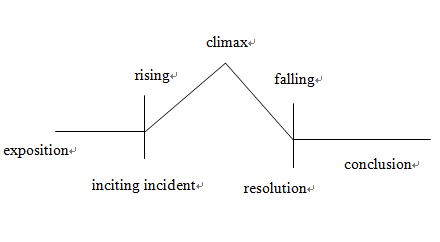
2. Orientation: Genre, History, Critical approaches Genre- is any category of literature, music, or other forms of art or entertainment, whether written or spoken, audio or visual, based on some set of stylistic criteria. Genres form by conventions that change over time as new genres are invented and the use of old ones is discontinued. Often, works fit into multiple genres by way of borrowing and recombining these conventions. Genre began as an absolute classification system for ancient Greek literature. Poetry, prose, and performance each had a specific and calculated style that related to the theme of the story. Speech patterns for comedy would not be appropriate for tragedy, and even actors were restricted to their genre under the assumption that a type of personcould tell one type of story best. In later periods genres proliferated and developed in response to changes in audiences and creators. History- is the study of the past, particularly how it relates to humans. It is an umbrella term that relates to past events as well as the memory, discovery, collection, organization, presentation, and interpretation of information about these events. Scholars who write about history are called historians. Events occurring prior to written record are considered prehistory. Critical Approaches(文學批評)- common critical approaches to literature Formalist Criticism Biographical Criticism Historical Criticism Gender Criticism Psychological Criticism Sociological Criticism 3. Story Structure (no conflict, no story) The Five Parts of Plot
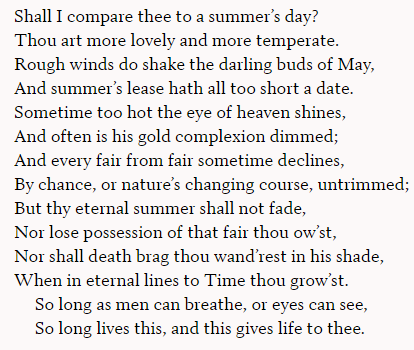
4. Western Literature--period Literature--Genre(literary type) poetry--narrative poetry( epic poetry) --lyrical poetry 5. Term Explanation and Vocabulary (1)glossary- also known as a vocabulary, or clavis, is an alphabetical list of terms in a particular domain of knowledge with the definitions for those terms. Traditionally, a glossary appears at the end of a book and includes terms within that book that are either newly introduced, uncommon, or specialized. While glossaries are most commonly associated with non-fiction books, in some cases, fiction novels may come with a glossary for unfamiliar terms. (2)nov- new renovate (v.)- to restore to an earlier condition, as by repairing or remodeling. innovate (v.)- to begin or introduce (something new) for the first time. novel(n.)- a fictional prose narrative of considerable length, typically having a plot that is unfolded by the actions, speech,and thoughts of the characters. (3)sub- under subject (v.)-being in a position or in circumstances that place one under the power or authority of another or others. (n.)-one who is under the rule of another or others, especially one who owes allegiance to a government or ruler. subgenre(n.)- a category that is a subdivision of a larger genre (4)-ly: is the adverb suffix e.g. softly, hardly, lovely 6. Shall I Compare Thee to a Summer's Day (Sonnet 18) William Shakespeare
vocabulary: dimmed- lacking in brightness or emitting only a small amount of light; faint |
|
| ( 不分類|不分類 ) |